
TL;DR

Play games on Amazon Luna for your next adventure, included with Prime
- A rotating selection of games, no download needed
- Play on TV, laptop or phone
- Fast, free delivery for your gear, too
3D Spaces, a leading interior design company, has introduced new technology-driven solutions that could reshape interior design practices. This development highlights the growing role of tech in creative industries, with potential impacts on efficiency and customization.
3D Spaces, a prominent interior design firm, has introduced a new suite of digital tools that leverage 3D modeling and virtual reality technology, aiming to transform the interior design process. This development signifies a major step toward integrating advanced technology into creative industries, with potential benefits for both designers and clients.
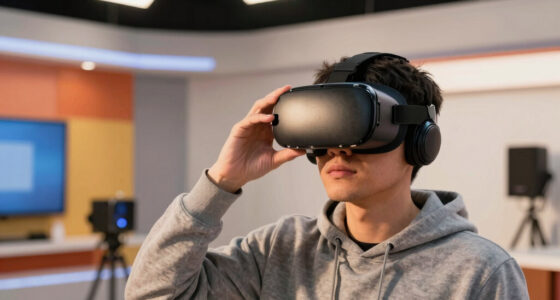
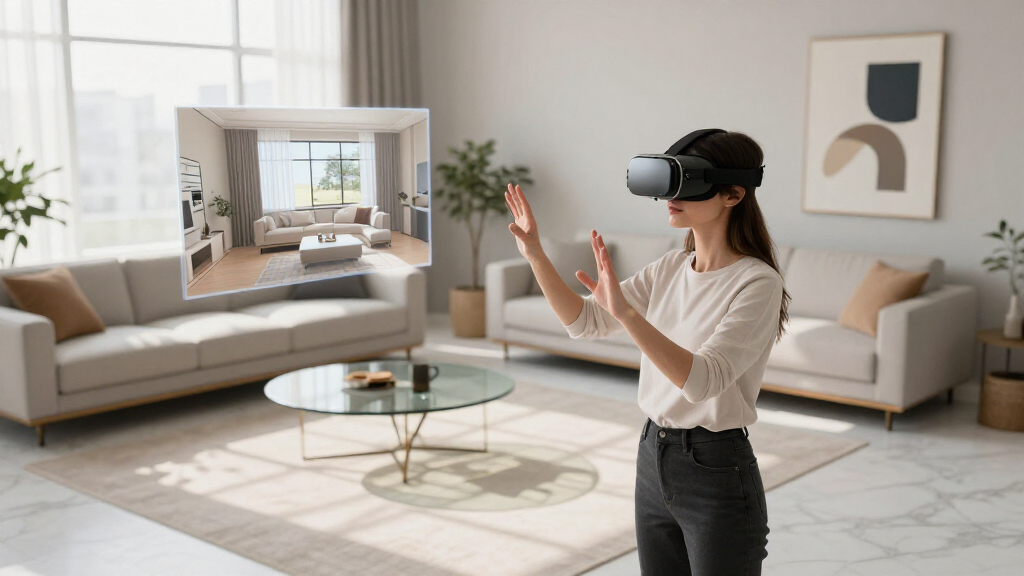
The company has launched a platform that allows clients to visualize interior spaces in immersive 3D environments before any physical work begins. According to a company spokesperson, this technology enhances precision, reduces costs, and improves client engagement. The platform also incorporates real-time collaboration features, enabling designers and clients to modify designs interactively.
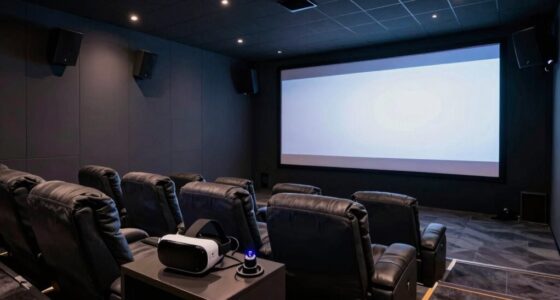
Industry experts note that this move aligns with broader trends toward digital transformation in interior design, with some predicting that such tools will become standard practice within the next few years. The company claims that their solution is accessible via desktop and VR headsets, making it versatile for different user needs.
While the technology has been tested internally, it is not yet clear how widely it will be adopted across the industry or how it will impact traditional design workflows in the long term. The company plans to roll out the platform to select clients in the coming months for further evaluation.
Future of design and technology
Inside the rise of the virtual interior
3D Spaces has introduced an immersive platform combining 3D modeling, virtual reality, and real-time collaboration—giving clients a way to experience and refine rooms before physical work begins.
01 / The development
A digital room before the real room
The platform moves interior design from static presentations toward a shared, navigable environment. Designers and clients can inspect spatial choices, test changes, and align on decisions earlier in the project.
Spatial visualization
Interior concepts become immersive 3D environments, helping clients understand scale, layout, materials, and sightlines before construction.
Live design changes
Designers and clients can review and modify concepts together, reducing the gaps that often emerge between a drawing, an explanation, and the finished space.
Flexible viewing
Desktop support lowers the entry barrier, while compatible VR headsets provide a more immersive sense of presence for clients who want it.
02 / The new workflow
From brief to build, with fewer blind spots
The intended value is not simply a more dramatic presentation. It is a tighter feedback loop—one that makes design intent easier to understand, test, approve, and execute.
Brief
Capture needs, style, constraints, and budget.
Model
Translate the concept into a navigable 3D space.
Immerse
Review the room on desktop or through a VR headset.
Refine
Edit layouts and choices through shared feedback.
Execute
Move forward with a clearer, approved design.
03 / Industry implications
Evolution before replacement
CAD and 3D rendering are already established tools. The emerging shift is toward immersive review and simultaneous collaboration. In the near term, that is more likely to complement traditional expertise than replace it.
| Design dimension | Traditional workflow | 3D Spaces approach | Likely effect |
|---|---|---|---|
| Client preview | ✗Plans and static renders | ✓Immersive walkthrough | Clearer spatial understanding |
| Feedback cycle | ~Sequential review rounds | ✓Real-time collaboration | Faster decision-making |
| Revision timing | ✗Some issues surface late | ✓Changes tested earlier | Potential cost reduction |
| Access | ~Meetings and files | ✓Desktop or VR | Hardware may still limit use |
| Human expertise | ✓Central to every decision | ✓Still central to direction | Technology augments judgment |
Adoption outlook
Promising, but not yet proven at scale
Internal testing supports a client pilot, but broad industry adoption will depend on measurable efficiency, ease of use, pricing, and client response.
Related room-tech guides
Shopping resources updated July 2026
5 Best VR Headsets With Eye Tracking for 2026
10 Best Wi-Fi 6 Routers for VR in 2026
8 Best USB Microphones for VR Streaming in 2026
04 / Traceability and rollout
The path from announcement to adoption
The platform’s next phase is a controlled client rollout. Feedback, performance evidence, and competitor response will determine whether immersive design becomes a specialist advantage or an industry baseline.
Will it replace traditional design?
Probably not at first. The more likely path is augmentation: experienced designers use immersive tools to communicate ideas and validate decisions more effectively.
What do clients gain?
A clearer preview of their future space, more confidence in decisions, greater transparency, and a chance to resolve concerns before construction.
When will it be widely available?
The stated sequence begins with select-client pilots. Wider access depends on evaluation results; the original report suggested a possible later-2024 expansion.
What would signal success?
Fewer revisions, shorter project timelines, stronger client satisfaction, practical pricing, and repeatable gains across different project types.
Implications for Interior Design Industry
This development could significantly influence the interior design industry by streamlining project workflows, reducing miscommunication, and enabling more personalized, client-centric designs. As digital tools become more prevalent, traditional design practices may evolve toward more virtual and collaborative processes, potentially lowering costs and shortening project timelines.
Furthermore, the integration of virtual reality in design processes could enhance client satisfaction by providing immersive previews, reducing the likelihood of costly revisions, and increasing transparency.
As an affiliate, we earn on qualifying purchases.
Growing Adoption of Digital Tools in Design Fields
Over recent years, the interior design industry has gradually adopted digital tools such as CAD and 3D rendering software. However, the recent push toward immersive VR and real-time collaboration platforms marks a new phase of technological integration. Companies like Houzz and Modsy have already introduced virtual visualization options, but 3D Spaces’ new platform represents a more advanced, interactive approach.
This move follows broader trends in tech-driven innovation across creative industries, driven by advances in hardware and software that make immersive experiences more accessible and affordable. It also reflects a growing demand from clients for more transparent and engaging design processes.
It remains to be seen how quickly these tools will be adopted industry-wide and whether they will replace traditional methods or complement them.
“Our new platform offers clients an immersive, real-time experience of their future spaces, making the design process more interactive and precise.”
— a company spokesperson
As an affiliate, we earn on qualifying purchases.
Long-term Industry Impact and Adoption Rates
It is not yet clear how quickly and broadly the industry will adopt these new digital tools. There is also uncertainty about how traditional designers will integrate or resist this technological shift, and whether the cost of VR hardware will be a barrier for some clients and firms.
Further developments and industry feedback over the coming months will clarify these issues.
As an affiliate, we earn on qualifying purchases.
Upcoming Rollout and Industry Response
The company plans to pilot the platform with select clients over the next few months, gathering feedback for refinement. Industry analysts will monitor adoption rates and the impact on project efficiency and client satisfaction. Broader industry adoption may follow if the technology proves successful in initial trials.
Additionally, competitors may develop similar solutions, intensifying the shift toward digital and immersive design tools.
real-time collaboration interior design tools
As an affiliate, we earn on qualifying purchases.
As an affiliate, we earn on qualifying purchases.
Key Questions
What exactly does the new platform do?
The platform enables clients and designers to visualize interior spaces in immersive 3D environments, with real-time editing and collaboration features, accessible via desktop and VR headsets.
Will this technology replace traditional interior design methods?
It is likely to complement existing practices initially, with potential for broader replacement over time as adoption increases and technology matures.
How much will access to this technology cost?
Pricing details have not been disclosed; however, the company aims to make the platform accessible to a range of clients, suggesting tiered access or subscription models.
When will this platform be available to the general public?
The company plans to begin pilot testing with select clients in the coming months, with wider availability possibly following later in 2024.
What are the potential benefits for clients?
Clients can experience their future spaces virtually before construction begins, enabling better decision-making, reducing revisions, and increasing overall satisfaction.
Source: rss
Fall Picks
fall essentials
As an affiliate, we earn on qualifying purchases.