
TL;DR
A UK petition has surpassed 3,300 signatures urging the government to ban the sale and promotion of smart glasses with recording features. The petition highlights privacy violations and safety risks.
A petition in Britain has collected over 3,300 signatures calling for an immediate government ban on the sale and promotion of smart glasses with recording capabilities. The petition argues that such devices violate privacy laws and pose safety risks, especially to vulnerable groups. This development highlights growing public concern over privacy and the regulation of emerging technology.
The petition was published on 9 June 2026 and has since gained 3,313 signatures out of a target of 10,000. The petition urges the government to explore existing laws, such as the RIPA, GDPR, and DPA, to take immediate action against smart glasses that can record without consent. It also calls for the development of new legislation to address this issue.
Proponents of the petition cite reports of unsuspecting individuals, including women, being livestreamed or recorded covertly using these devices. The petition emphasizes concerns about AI capabilities enabling real-time doxing and creating an environment of fear, particularly impacting children and vulnerable populations. The petition will remain open until 9 December 2026, with the goal of prompting a government response and possible parliamentary debate if it reaches 100,000 signatures.
To Britain: sign the petition to ban recording smart glasses
More than 3,300 people are calling for an immediate ban on the sale and promotion of smart glasses capable of covert recording. Their case centres on privacy, safety and the risks posed to children and vulnerable people.
The case for urgent action
The petition focuses on glasses that can record and upload content without obvious consent. Supporters argue that wearable cameras make surveillance less visible while AI can amplify the resulting harm.
Covert recording
People may be filmed or livestreamed without recognising that a recording device is active or having a meaningful opportunity to object.
Vulnerable groups
Children, women and other vulnerable people may face heightened risks from harassment, unwanted exposure and persistent surveillance.
Real-time identification
AI-assisted recognition and information retrieval could enable rapid identification, doxing or targeting in everyday public settings.
Two thresholds, a long road ahead
At the reported count of 3,313 signatures, the petition is roughly one-third of the way to a government response and just over three per cent of the way to possible consideration for a parliamentary debate.
Campaign progress
How the concern becomes a campaign
The petition links discreet hardware, non-consensual capture and AI-enabled misuse to a demand for immediate enforcement and technology-specific legislation.
Wearable camera
Recording technology becomes embedded in familiar-looking eyewear.
Invisible consent gap
Bystanders may not know when filming or livestreaming is underway.
AI amplification
Recognition, search and sharing can turn footage into targeted harm.
Regulatory demand
Use current powers now, then build rules designed for wearable recording.
“The government should explore using existing laws, such as RIPA, GDPR, DPA to take immediate action, whilst beginning the process of new legislation.”
Petition argument · source cited: fediverseExisting law versus a purpose-built ban
Supporters believe current frameworks may offer routes for action, but their scope and enforcement against consumer wearable cameras remain contested. The petition therefore pairs immediate intervention with a call for new legislation.
| Framework | Potential relevance | Immediate route | Device-specific | Open question |
|---|---|---|---|---|
| UK GDPR | Personal-data collection, processing and individual rights. | ~Context-dependent | ✗No | How duties apply across personal, public and commercial use. |
| DPA 2018 | UK data-protection rules and enforcement mechanisms. | ~Potentially | ✗No | Whether existing remedies can address covert capture at scale. |
| RIPA | Regulation of investigatory powers and certain surveillance activity. | ~Limited scope | ✗No | Its applicability to ordinary consumer smart-glasses use. |
| New legislation | Rules tailored to wearable recording, sale and promotion. | ✗Not yet enacted | ✓Could be | Definitions, exemptions, enforcement and proportionality. |
What the petition is asking Britain to decide
The policy challenge is not simply whether smart glasses are useful. It is where to draw enforceable boundaries between innovation, observation, consent and public safety.
Which devices are targeted?
The general category of smart glasses capable of recording and uploading content covertly, rather than a named brand or model.
Why demand an immediate ban?
Supporters argue that discreet filming creates an urgent consent and safety gap that existing enforcement has not adequately closed.
Could current laws be enough?
They may provide tools for particular cases, but proponents say technology-specific legislation is needed for clear, consistent protection.
What remains uncertain?
The government’s response, the reach of current law, the design of possible exemptions and whether a broad ban would be effective.
A signature is a request for a public answer
The petition remains open until 9 December 2026. Reaching 10,000 signatures would prompt a government response; reaching 100,000 could move the issue toward consideration for debate in Parliament.
Implications of a Potential Ban on Recording Smart Glasses
This petition reflects increasing public anxiety over privacy violations linked to emerging wearable technology. If successful, it could lead to tighter regulation or outright bans on smart glasses with recording features, shaping future legislation and consumer protections. The move underscores ongoing debates about balancing technological innovation with individual privacy rights and safety.

Vision Sync Glasses, Auto Focus Varifocal Glasses, Smart Adaptive Eyewear with UV & Anti Blue Light Protection (2.5)
- Magnetic Clip-On Design: Switch lenses quickly for indoor/outdoor use
- HD Polarized Lenses: Reduces glare and enhances clarity
- Lightweight & Comfortable: Durable frame with ergonomic temples
As an affiliate, we earn on qualifying purchases.
As an affiliate, we earn on qualifying purchases.
Growing Concerns Over Privacy and Wearable Tech
Smart glasses with recording capabilities have become more accessible, raising privacy and safety issues. Reports of covert recordings and livestreaming incidents have fueled calls for regulation. The UK government has yet to implement specific laws targeting these devices, but existing laws like GDPR and DPA could be leveraged for immediate action. The petition’s momentum indicates a rising public demand for clearer legal boundaries on such technology.
“The government should explore using existing laws, such as RIPA, GDPR, DPA to take immediate action, whilst beginning the process of new legislation.”
— fediverse
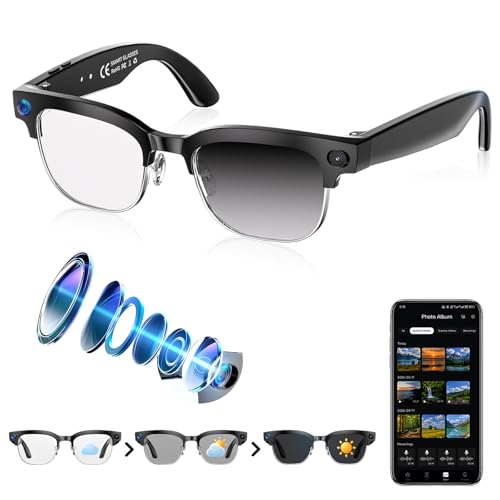
SGUKZF AI Smart Glasses with Camera, 4K EIS Anti-Shake Video & Photo Capture, Real-Time Translation,Open-Ear Bluetooth Audio, Object Recognition, Recording Sunglasses with Photochromic
- 4K Anti-Shake Video & Photo: Capture smooth videos and photos hands-free
- Open-Ear Bluetooth Audio: Enjoy HD stereo sound and clear calls
- Real-Time Language Translation: Translate 139+ languages instantly
As an affiliate, we earn on qualifying purchases.
As an affiliate, we earn on qualifying purchases.
Legal and Regulatory Challenges Remaining
It is not yet clear how quickly the government will respond or what specific legislation might be enacted. The legal framework for regulating wearable recording devices is still evolving, and there is uncertainty about the scope of existing laws to address new technology comprehensively. The effectiveness of a potential ban remains to be seen, and further legal and technical discussions are expected.
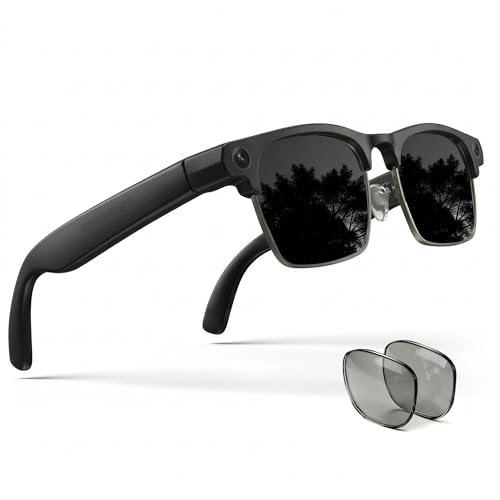
AI Smart Glasse for Men Women —8 MP Camera, Open-Ear Speakers for Audio, Video Recording and Bluetooth, Real-Time Translation-Sunglasses (Extra Photochromic Lenses), Voice Control Smart Wearable
- Language Translation: Supports 130+ languages with real-time translation
- Video Recording: 8MP HD camera for high-quality videos
- Storage & Connectivity: 4GB storage with Wi-Fi and app support
As an affiliate, we earn on qualifying purchases.
As an affiliate, we earn on qualifying purchases.
Next Steps for the Petition and Policy Response
The petition will remain open until 9 December 2026. If it surpasses 10,000 signatures, the government will be prompted to respond. Should it reach 100,000 signatures, it could be debated in Parliament, potentially leading to new legislation. Advocacy groups and concerned citizens are likely to continue campaigning to raise awareness and push for regulatory action.

Domars AR Smart Glasses with Display Screen, Built-in HD Camera & Ring Control, AI HUD Privacy Teleprompter Glasses for Speech, 268-Language Offline Translator for Business, Study Abroad and Travel
- Invisible Teleprompter: Scrolls script with no light leakage
- Smart Ring Control: Navigate scripts discreetly with ring
- Offline AI Translator: Translates 261+ languages offline
As an affiliate, we earn on qualifying purchases.
As an affiliate, we earn on qualifying purchases.
Key Questions
What specific devices are targeted by this petition?
The petition targets smart glasses that contain recording capabilities, allowing users to record and upload content covertly. It does not specify brands but focuses on the general category of wearable recording devices.
Why does the petition call for an immediate ban?
The petition argues that current laws are insufficient to prevent privacy violations, such as covert recordings and livestreams, which can harm individuals and vulnerable groups. An immediate ban is seen as a necessary step to protect privacy rights.
Could existing laws be enough to regulate these devices?
Proponents believe that laws like RIPA, GDPR, and DPA could be used to take immediate action, but they also advocate for new legislation tailored to wearable recording technology. The adequacy of current laws is still under discussion.
What are the risks associated with smart glasses with recording features?
Risks include privacy violations, covert surveillance, and the potential for AI-enabled doxing and harassment. These devices could foster an environment of fear, especially for children and vulnerable individuals.
Source: fediverse