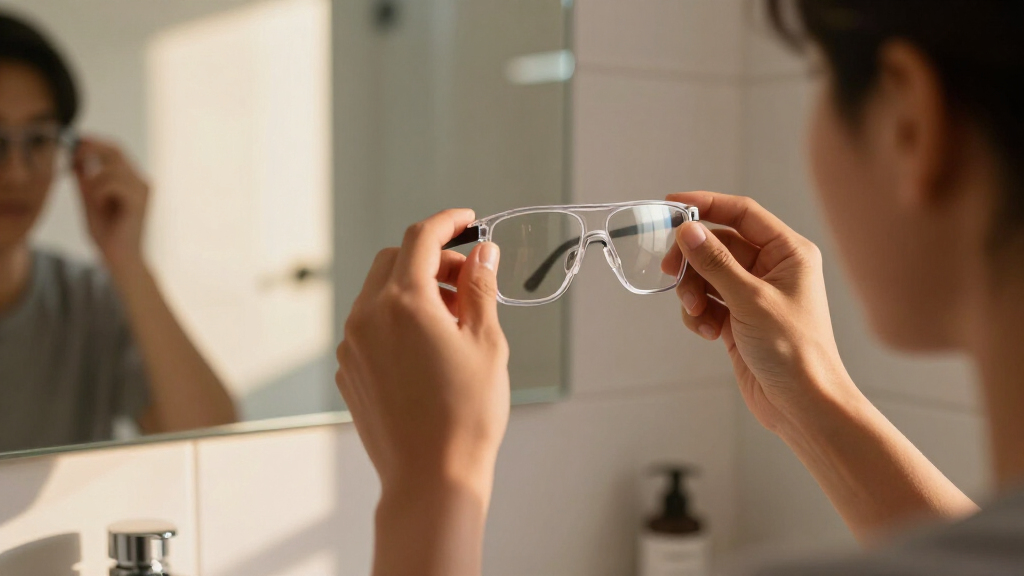

TL;DR

Play games on Amazon Luna for your next adventure, included with Prime
- A rotating selection of games, no download needed
- Play on TV, laptop or phone
- Fast, free delivery for your gear, too
Hamburg is planning to implement a ban on smart glasses in public baths and trains to protect privacy. The move is in the proposal stage, with official details yet to be finalized. The regulation aims to prevent potential privacy violations in sensitive public spaces.
Hamburg is considering a ban on the use of smart glasses in public baths and trains, citing privacy concerns. The debate around smart glasses has led to discussions about regulations in public spaces. The city authorities have not yet finalized the regulation but are actively exploring measures to restrict wearable technology that could compromise personal privacy in sensitive public spaces.
According to local reports, Hamburg’s city government is in the process of drafting regulations that would prohibit the use of smart glasses in public baths and train stations. The proposal aims to address rising concerns over privacy violations caused by wearable devices capable of recording audio and video discreetly, which has sparked calls for bans on smart glasses in certain environments. The authorities have not yet released a formal ordinance, but the initiative reflects growing apprehension about privacy breaches linked to emerging wearable technology.
Sources indicate that the regulation is still in the planning phase, with discussions ongoing among policymakers, privacy advocates, and transportation officials. The city’s move aligns with broader European trends to tighten regulations on surveillance and personal data protection, especially in spaces where individuals expect privacy, such as baths and public transportation hubs. For more on local debates, see Hamburg’s calls for banning smart glasses.
Hamburg’s decision follows a series of debates about the potential misuse of smart glasses, which can record and transmit data without visible indicators, raising concerns about consent and surveillance. It remains unclear whether the ban will be comprehensive or targeted at specific devices or scenarios, as the city has yet to publish detailed draft proposals or enforcement mechanisms.
Impact of Hamburg’s Smart Glasses Ban on Privacy Protections
This potential ban highlights increasing regulatory attention to wearable technology and privacy rights in public spaces. If implemented, it could set a precedent for other cities facing similar concerns about surveillance and personal data security. The move also reflects a broader societal debate about balancing technological innovation with individual privacy, especially in environments where personal privacy is traditionally expected, such as baths and transit stations. For residents and visitors, the regulation could lead to clearer boundaries on recording activities and greater awareness of privacy rights in public spaces.
privacy smart glasses for recording
As an affiliate, we earn on qualifying purchases.
As an affiliate, we earn on qualifying purchases.
Growing Privacy Concerns and Regulatory Responses in Germany
Germany has a history of strict data protection laws and privacy regulations, shaped by past surveillance scandals and the European Union’s General Data Protection Regulation (GDPR). Recent years have seen increased scrutiny of wearable devices capable of capturing personal data, with several cities and institutions contemplating restrictions on devices like smart glasses and body cameras. Hamburg’s move aligns with this trend, responding to public fears about covert recordings and data misuse in sensitive environments.
Prior to this, other European cities have introduced or discussed similar measures, though few have advanced to formal bans. The debate centers on whether such restrictions infringe on personal freedoms or are necessary to safeguard privacy rights. The specifics of Hamburg’s proposal remain under discussion, with no official legislation yet enacted.
It is also notable that the technology industry has raised concerns about potential overreach, but privacy advocates support measures to prevent unauthorized surveillance, especially in spaces where individuals have a reasonable expectation of privacy.
As an affiliate, we earn on qualifying purchases.
Details of the Proposed Smart Glasses Restrictions Remain Unclear
It is not yet confirmed how broad the ban will be, whether it will cover all types of smart glasses or target specific scenarios, or how enforcement will be carried out. The exact wording of the regulation, potential penalties, and the timeline for implementation are still under discussion. Officials have not released a draft bill or specific guidelines, leaving room for further debate and revision.
discreet smart glasses for privacy
As an affiliate, we earn on qualifying purchases.
As an affiliate, we earn on qualifying purchases.
Next Steps in Hamburg’s Smart Glasses Regulation Process
Hamburg authorities are expected to finalize the draft regulation within the coming months, followed by public consultations and legislative approval. Once enacted, the ban could be enforced in designated public spaces, including baths and train stations. Monitoring and enforcement mechanisms will likely be established to ensure compliance, and the regulation’s impact will be assessed over time. Further clarifications on scope and penalties are anticipated before formal adoption.
smart glasses for augmented reality
As an affiliate, we earn on qualifying purchases.
As an affiliate, we earn on qualifying purchases.
Key Questions
Will the ban apply to all smart glasses devices?
It is currently unclear whether the regulation will target all smart glasses or specific types or scenarios. Details are still being discussed by city officials.
When could the ban take effect?
No official timeline has been announced yet. The regulation is in the proposal stage, with enforcement likely several months after final approval.
Does this mean wearing smart glasses will be illegal in Hamburg?
Not necessarily. The regulation may restrict their use in specific public spaces like baths and trains, but not prohibit wearing them entirely.
What are the privacy concerns associated with smart glasses?
Smart glasses can record audio and video discreetly, potentially violating privacy expectations and enabling covert surveillance without consent.
Could this regulation influence other German cities?
It is possible. Hamburg’s move could set a precedent, prompting similar discussions or regulations elsewhere in Germany or Europe.
Source: local
Fall Picks
fall essentials
As an affiliate, we earn on qualifying purchases.