
TL;DR

Play games on Amazon Luna for your next adventure, included with Prime
- A rotating selection of games, no download needed
- Play on TV, laptop or phone
- Fast, free delivery for your gear, too
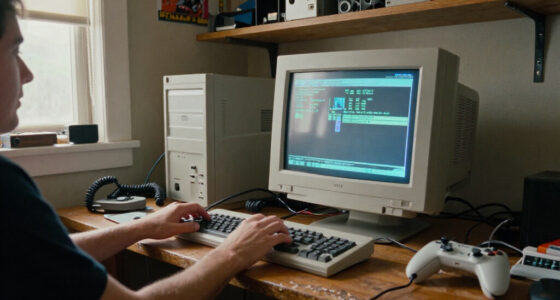
Modern motherboards may still include headers for serial, parallel and PS/2 ports because the Low Pin Count interface and Super I/O chips preserved support for older hardware. Intel made the LPC specification open and royalty-free, and the hardware remains useful for system monitoring and control, so removing it can cost more than retaining it. The account does not identify a new motherboard announcement or a change to licensing.
Motherboards still include support for serial, parallel and PS/2 connections because the circuitry behind those legacy ports remains useful and inexpensive to retain, according to an XDA Developers report published October 24, 2026. The design traces back to Intel’s Low Pin Count (LPC) interface, whose open, royalty-free specification helped hardware makers adopt it as a replacement for the more pin-intensive ISA bus.
Intel introduced LPC in the 1990s as a lower-pin-count alternative to the Industry Standard Architecture (ISA) bus. The goal was to reduce the space, cost and testing burden associated with older hardware connections. Intel also made the specification open to the industry, allowing manufacturers to use the technology without paying royalties. That licensing approach helped encourage adoption, XDA reports.
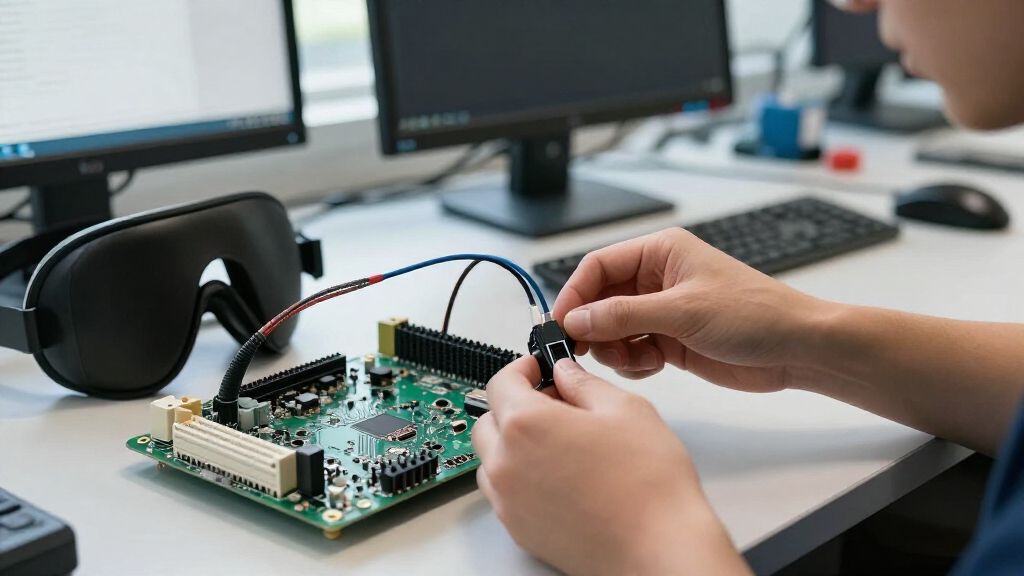
LPC gave Super I/O chips a connection to the rest of the system. Manufacturers including Nuvoton, ITE and Winbond used the interface for chips that support legacy devices such as COM serial ports, LPT parallel ports, PS/2 peripherals and floppy drives. Those chips also handle functions that remain relevant today, including reading temperature sensors and controlling fan speeds.
The same interface later supported TPM 1.2, a cryptographic coprocessor developed by the Trusted Computing Group. The report says LPC suited the chip because it did not require much bandwidth, and the existing bus avoided added licensing costs. TPM 1.2 eventually lost favour over a security weakness: the report says data was sent unencrypted, allowing someone with physical access and suitable equipment to capture decryption keys. That issue did not, by itself, make the wider LPC hardware unnecessary.
PC Architecture · Legacy I/O
Your Motherboard Still Has “Useless” Headers From The 1990s
Licensing helped Low Pin Count spread. Decades later, Super I/O chips still handle useful system controls, making legacy support practical to keep.
01 / Why it stayed
One chip, old ports and current jobs
Super I/O chips connect legacy devices while also supporting everyday motherboard monitoring and control.
COM · LPT · PS/2
Depending on the board, the chip can support serial, parallel, keyboard and mouse connections, plus floppy drives.
Monitor and control
Temperature-sensor readings and fan-speed control remain practical system-management functions.
Shared interface
Vendors such as Nuvoton, ITE and Winbond used LPC to connect Super I/O hardware to the rest of the system.
02 / The technology chain
From a lower-pin bus to lasting support
Each step built on hardware and design choices already present in PC systems.
ISA takes space
The older bus used more pins, adding design and testing demands.
Intel introduces LPC
Fewer pins reduce the interface burden; royalty-free access supports adoption.
Super I/O connects
One interface serves legacy peripherals and motherboard management tasks.
TPM 1.2 uses LPC
The established bus also carries a low-bandwidth security coprocessor.
03 / Keep or remove?
The practical economics of “obsolete” I/O
The report describes a qualitative engineering trade-off, not a published cost comparison.
Small ongoing burden
- Legacy logic may already be part of the Super I/O chip.
- Useful monitoring and fan control stay available.
- Older peripherals and specialized tools can remain compatible.
Potential redesign work
- Removing headers may require additional engineering.
- Related capability may need to be separated or redesigned.
- Compatibility could be lost while system-management hardware remains necessary.
04 / A related chapter
TPM 1.2: a use for the established bus
LPC suited TPM 1.2’s modest bandwidth needs and was already available in the design.
TPM 1.2 joins the picture
The Trusted Computing Group used LPC to connect a cryptographic coprocessor without adding a new high-bandwidth bus.
A reported security weakness
The report says TPM 1.2 data was sent unencrypted, which could allow capture of decryption keys by someone with physical access and suitable equipment.
Not a verdict on all TPMs
This account does not assess every TPM version or current system. The TPM 1.2 issue did not, by itself, make broader LPC hardware unnecessary.
05 / What the report establishes
Useful context, with clear limits
The story explains technical continuity; it does not announce a new product or a policy change.
Does every current motherboard expose these ports?
No such universal claim is made. Connector availability varies by board design; consult the specific manual.
Did Intel change its licensing now?
The report describes the historical royalty-free LPC specification, not a new licensing decision.
Is there a removal timeline?
No replacement date, scheduled transition or planned next step is identified.
What should buyers do?
If a legacy connection matters, verify that the exact motherboard exposes it in its published specifications.
Why Old I/O Still Fits
The continued presence of legacy headers reflects a cost and design trade-off, not necessarily a failure by manufacturers to update motherboards. The Super I/O chip still performs practical system-management tasks, while its legacy connections can remain available for users who need older peripherals or specialized equipment.
According to XDA, much of the logic supporting these connections is already part of the Super I/O chip. Removing the headers and stripping out the related capability could take more engineering work than leaving the connections in place. Retaining them may also avoid compatibility problems for older tools, including legacy digital-rights-management systems. The result is that a feature used less often can persist when removing it offers little benefit.
The licensing history helps explain how the arrangement became widespread. Intel’s royalty-free LPC specification lowered a barrier for manufacturers adopting the interface. Once it was incorporated into motherboard designs and connected to Super I/O functions, keeping the hardware became a straightforward choice. That does not mean every motherboard exposes every legacy port as a connector; the report describes support and headers that can appear on boards, not a universal layout.
PCIe serial COM port expansion card RS-232
As an affiliate, we earn on qualifying purchases.
As an affiliate, we earn on qualifying purchases.
From ISA to LPC
In the 1990s, Intel sought to move hardware makers away from ISA, which required more pins. LPC was designed to carry the relevant communication using fewer pins, reducing the demands on motherboard space and manufacturing. Intel’s decision to open the specification made it easier for other companies to build compatible hardware and integrate the interface into their own products.
Jan Camps, then a marketing manager for Intel’s Platform Component Division, described the goal as reducing the burden of older technologies while speeding access to higher-performing systems. Camps said Intel had opened the specification so the industry could adopt it and integrate it into motherboard legacy I/O development. XDA uses that statement to explain the licensing rationale behind LPC’s spread.
By the early 2000s, LPC was still used for legacy peripheral support, but its role had expanded. The Trusted Computing Group used the established interface for TPM 1.2, adding another reason for the bus to remain part of PC designs. The current explanation is therefore a matter of technical continuity: an interface built for a transition away from ISA continued to support other functions.
motherboard internal USB to PS/2 keyboard mouse adapter
As an affiliate, we earn on qualifying purchases.
As an affiliate, we earn on qualifying purchases.
Which Boards Expose These Ports
The report does not provide a survey of current motherboard models, quantify how many still expose legacy headers, or establish that every modern PC supports every listed port. Header availability can vary by board design. It also does not give a specific cost estimate for removing the Super I/O functionality, so the comparison between retaining and removing it is described qualitatively.
The account explains the historical role of LPC and TPM 1.2, but it does not announce a new Intel licensing decision, a newly discovered vulnerability, or a change in motherboard policy. Its explanation of the TPM 1.2 security weakness is limited to the claim that unencrypted data could be captured by someone with physical access and a logic analyzer; it does not assess the security of all TPM versions or current systems.
motherboard Super I/O chip fan controller temperature monitoring
As an affiliate, we earn on qualifying purchases.
As an affiliate, we earn on qualifying purchases.
Legacy Support Remains Board-Specific
No product launch, standards change or scheduled next step is identified in the report. For buyers, the practical next step is to check a motherboard’s manual and specifications if a COM, LPT or PS/2 connection is needed; the presence of a Super I/O chip does not guarantee that a particular port is exposed on the board.
Whether these headers disappear over time will depend on manufacturers’ board designs and the costs of changing established circuitry. The report’s explanation suggests there is little pressure to remove support while the chip remains useful for monitoring and control and the legacy capability is inexpensive to retain. It does not set out a timeline for a shift away from LPC or identify a replacement date.
TPM 2.0 motherboard module LPC header
As an affiliate, we earn on qualifying purchases.
As an affiliate, we earn on qualifying purchases.
Key Questions
Why do modern motherboards still support serial, parallel and PS/2 ports?
Those connections are handled through Super I/O chips that also perform current system tasks, including temperature monitoring and fan control. Retaining legacy support can be easier than removing the related hardware and logic.
What was Intel’s LPC interface designed to do?
Low Pin Count (LPC) was introduced as a lower-pin-count alternative to ISA. Intel aimed to reduce space, cost and testing demands, and made the specification open to industry adoption.
Did licensing help LPC become widely used?
Yes. XDA’s account says Intel made the LPC specification royalty-free, lowering the cost barrier for manufacturers adopting the interface and building compatible hardware.
Does every current motherboard have these legacy headers?
The report does not say that every board exposes every legacy connection. Availability varies by motherboard, so buyers should check the specific board’s manual and specifications.
What happened to TPM 1.2 over LPC?
The report says TPM 1.2 used LPC because it needed little bandwidth and the bus was already available. It later fell out of favour after a security weakness involving unencrypted data that could be captured with physical access and suitable equipment.
Source: XDA Developers
Halloween Picks
halloween
As an affiliate, we earn on qualifying purchases.