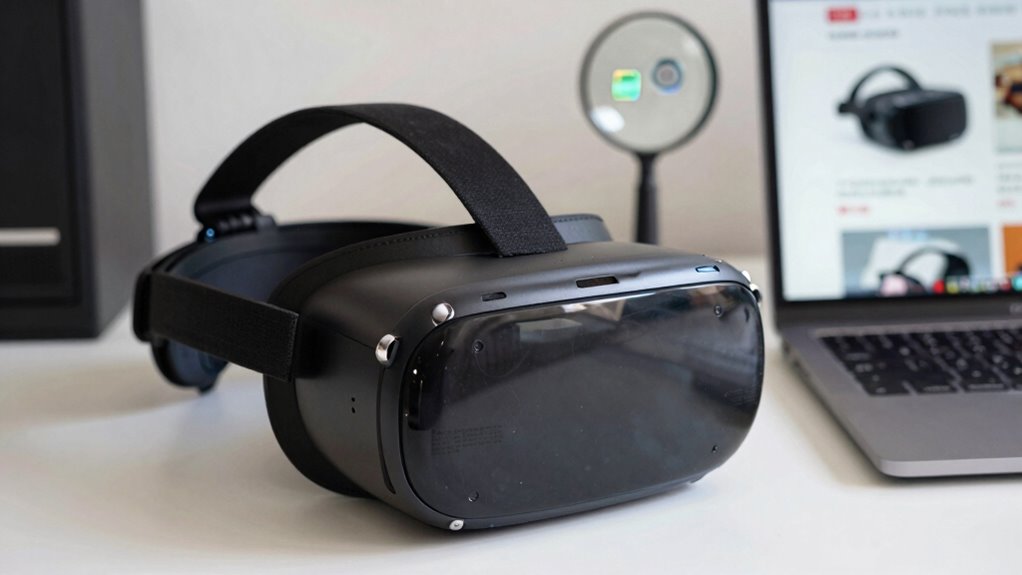
To spot counterfeit VR accessories online, closely check branding signs for sloppy logos, blurry images, or inconsistent placement. Assess build quality by feeling for flimsy materials, creaks, or uneven seams. Look at packaging for low-resolution images, misspellings, or missing serial numbers. Be wary of prices that are way too low or deals that seem too good to be true. Always verify seller credibility and consider authentic sources—keep exploring to learn more about spotting fakes effectively.
Key Takeaways
- Check for inconsistent or blurry logos, fonts, and branding elements on the product and packaging.
- Assess build quality by feeling materials, checking seams, and testing for flimsy or uneven parts.
- Verify packaging details, including serial numbers, QR codes, and high-resolution printing; watch for misspellings.
- Be cautious of significantly lower prices or deals that seem too good to be true.
- Purchase from reputable retailers or verified sellers and scrutinize product descriptions and reviews.
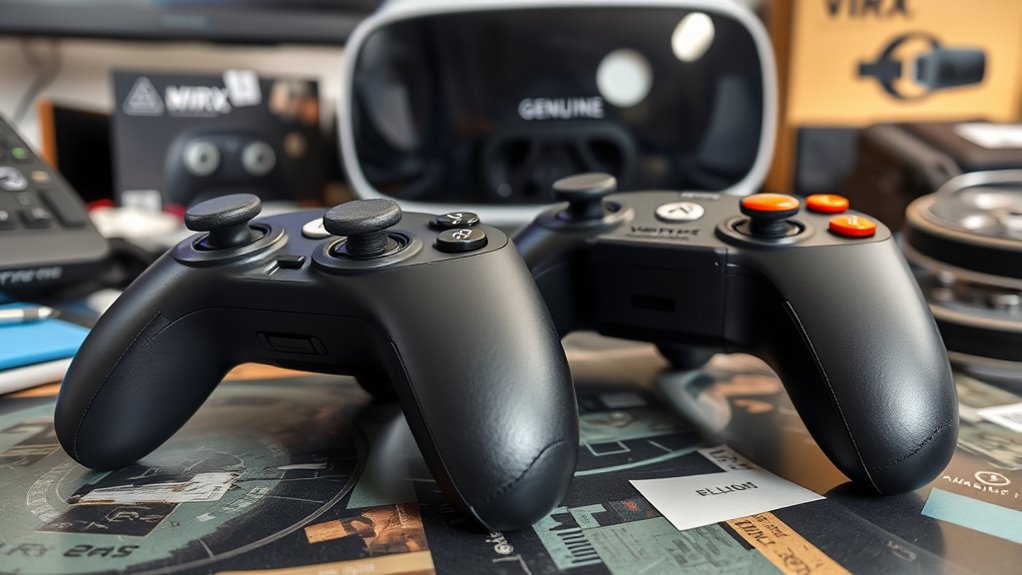
Are you unsure how to tell if your VR accessories are genuine or counterfeit? It can be tricky, especially when counterfeiters go to great lengths to mimic authentic products. One of the first signs to watch out for is fake branding. Counterfeit VR accessories often display logos or brand names that look slightly off—perhaps the font is different, the logo is distorted, or the placement isn’t quite right. These subtle differences can be a dead giveaway. If the branding seems blurry, pixelated, or poorly printed, it’s a red flag. Authentic brands invest in high-quality printing and precise logo placement, so anything that appears sloppy or inconsistent suggests it might be a fake.
Another major indicator is poor build quality. Counterfeit VR accessories tend to be assembled with cheaper materials, resulting in a product that feels flimsy or lightweight compared to the genuine item. When you hold the accessory, note the texture and sturdiness. If it creaks, feels plasticky, or has uneven seams, those are signs of inferior craftsmanship. Genuine accessories go through strict quality control, ensuring that every component feels solid and well-made. Counterfeit products often skip this step, leading to a product that’s more likely to break or malfunction.
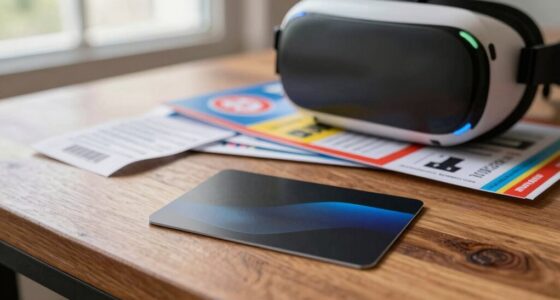
Pay close attention to packaging, too. Authentic VR accessories usually come in sturdy, well-designed boxes with clear, crisp printing, and proper branding. The packaging should include detailed product information, serial numbers, or QR codes that you can verify with the manufacturer. Fake packaging, on the other hand, often looks cheap, with low-resolution images, misspellings, or incorrect logos. Sometimes, the barcode or serial number on a fake product won’t scan or match the manufacturer’s database, so it’s worth checking these details if possible.
Pricing can also be a strong indicator. If the deal seems too good to be true—significantly lower than retail prices—you should be cautious. Counterfeiters often undercut prices to lure buyers, but this cheap price tag often accompanies fake branding and poor build quality. Remember, authentic VR accessories are priced based on quality and brand reputation, so drastically discounted offers should make you suspicious.
Lastly, consider where you’re buying from. Buying directly from official retailers or well-known, reputable online stores reduces the risk of ending up with counterfeit products. Be wary of third-party sellers with limited reviews or suspiciously vague product descriptions. If a deal looks too good to pass up, take the time to verify the seller’s credibility and ask for additional proof of authenticity. By paying attention to these details—fake branding, poor build, packaging, pricing, and seller reputation—you can better protect yourself from counterfeit VR accessories online.
Frequently Asked Questions
Are Cheaper VR Accessories Always Counterfeit?
Cheaper VR accessories aren’t always counterfeit, but they often raise red flags. You should do a price comparison to see if the deal is reasonable, and check the seller’s reputation for reviews and ratings. If a price seems too good to be true or the seller has poor feedback, you might be dealing with counterfeit products. Stay vigilant, and prioritize trusted sellers to guarantee quality and authenticity.
Can Counterfeit VR Accessories Damage My Device?
Counterfeit VR accessories can indeed damage your device, risking safety and device compatibility. They often lack quality control, leading to electrical issues or overheating that can harm your VR headset. Using authentic accessories guarantees safety, proper device compatibility, and peak performance. Always verify sellers and look for genuine branding to protect your device from counterfeit risks, safeguarding your investment and ensuring an enjoyable VR experience.
What Legal Risks Are Involved With Buying Counterfeit VR Gear?
Buying counterfeit VR gear exposes you to legal liabilities, including fines or other penalties, as it infringes on intellectual property rights. When you purchase fake accessories, you risk supporting illegal activities and violating trademark laws. You could also face lawsuits from the original manufacturers. To avoid legal trouble, always buy from reputable sources, verify authenticity, and respect intellectual property rights, ensuring you’re not unintentionally contributing to counterfeit trade.
How Do I Verify a Seller’s Authenticity?
Think of verifying a seller’s authenticity like checking a lighthouse before sailing. You should read seller reviews to gauge their reputation and look for consistent positive feedback. Examine their return policies—trustworthy sellers offer clear, fair options if something goes wrong. If reviews are mixed or policies are vague, steer clear. This way, you guarantee your VR gear purchase is safe, legit, and protected—like steering safely with a dependable lighthouse guiding you.
Are There Specific Brands More Targeted by Counterfeiters?
Yes, counterfeiters often target popular brands with strong reputations like Oculus, HTC, and Sony because of their high demand. To protect yourself, pay attention to brand reputation and use counterfeit detection tools when shopping online. These tools can help identify suspicious listings. If a deal seems too good to be true or the seller’s reputation is questionable, it’s best to proceed with caution or buy directly from authorized retailers.
Conclusion
By paying close attention, you can confidently detect counterfeit VR accessories. Check for cracks, inconsistencies, and unclear logos, and trust your instincts if something seems suspicious. Scrutinize sellers and scrutinize specs, staying sharp and skeptical. Spotting scams saves your money and ensures your experience stays secure and satisfying. So, stay vigilant, verify vendors, and value genuine gear—because a wise wallet and worry-free world of virtual reality are well worth the watchful work.