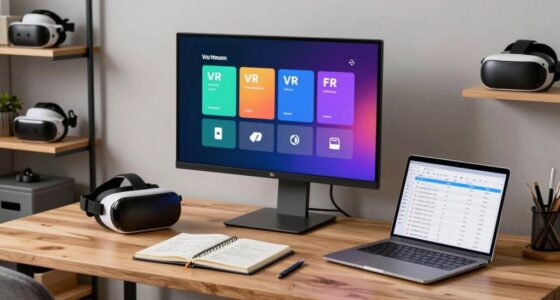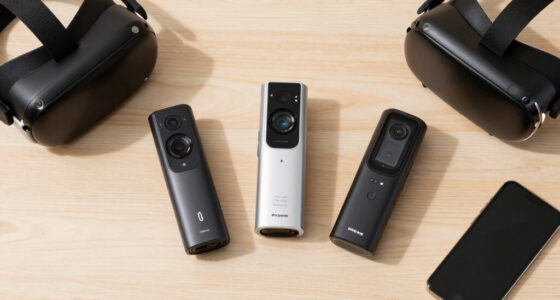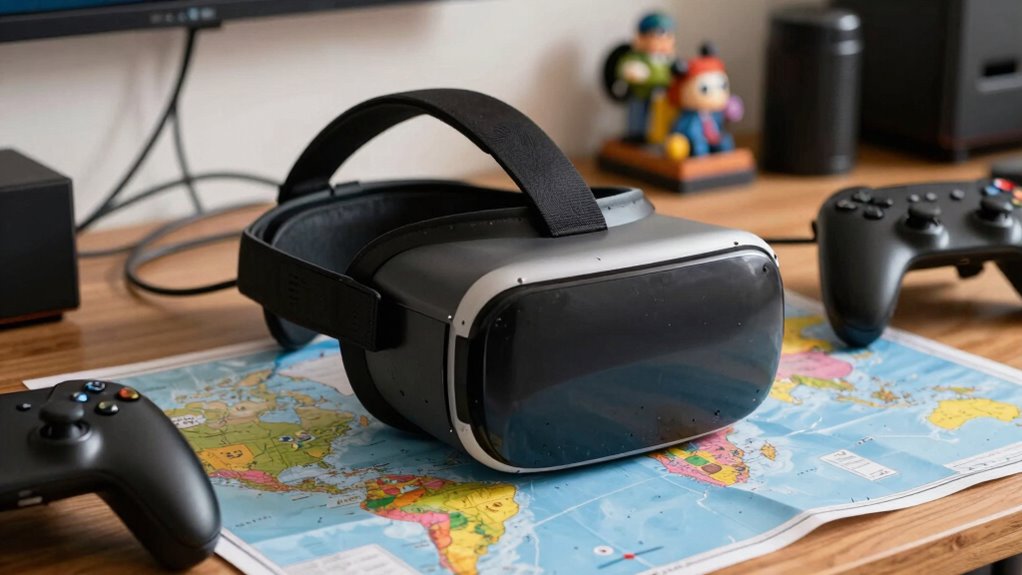
Thinking of VR ownership as a long-term hobby means you should see it as a constantly evolving ecosystem. Hardware upgrades happen annually, improving visuals and comfort, while software and virtual economies expand over time, adding new assets and experiences. Staying flexible and informed helps you adapt to platform changes and asset value fluctuations. By embracing ongoing updates and developments, you’ll enjoy a richer, more immersive experience—and if you keep exploring, you’ll discover even more about how to make the most of your VR journey.

Play games on Amazon Luna for your next adventure, included with Prime
- A rotating selection of games, no download needed
- Play on TV, laptop or phone
- Fast, free delivery for your gear, too
Key Takeaways
- View VR ownership as an ongoing journey, adapting to hardware upgrades, software updates, and evolving virtual economies.
- Stay informed about platform changes and virtual asset markets to protect and maximize your investments.
- Prioritize flexibility in hardware and software choices to accommodate future innovations and avoid obsolescence.
- Engage with the expanding VR community and content to sustain interest and enhance the immersive experience.
- Embrace change and long-term planning to enjoy continuous growth and new opportunities within the VR ecosystem.
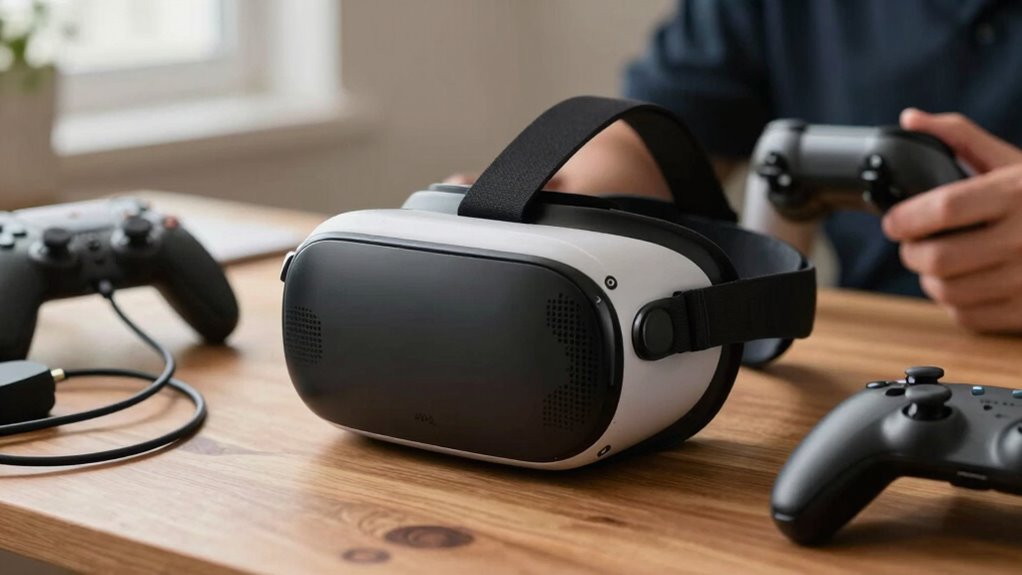
Virtual reality ownership is a complex topic that’s changing as technology evolves. When you start thinking about VR as a long-term hobby, it’s vital to recognize that your experience won’t be static. Instead, it’s influenced by rapid shifts in virtual economies, hardware upgrade cycles, and the evolving software landscape. You need to approach VR ownership with flexibility, understanding that your initial investment is just the beginning of a continually developing journey.
Virtual economies are a big part of the VR experience, especially as many platforms now host thriving digital markets. You might buy virtual assets, skins, or even entire worlds, and these assets can fluctuate in value based on demand and platform changes. If you see VR as a long-term hobby, you’ll want to stay informed about how these virtual economies work and whether your investments will hold or appreciate over time. It’s wise to treat your digital assets as part of a broader ecosystem rather than just a one-time purchase. This mindset helps you stay adaptable, especially as the value of virtual goods can rise or fall with platform popularity or new updates. Recognizing the importance of virtual economy development can help you anticipate how your investments may evolve. Additionally, understanding the market dynamics within virtual economies can help you make smarter decisions about your virtual assets.
Stay informed about virtual economies to adapt and protect your digital assets over time.
Hardware upgrade cycles are another essential consideration. VR technology advances rapidly, often with new headsets, controllers, and sensory peripherals hitting the market every year. If you plan to keep VR as a long-term hobby, you should expect to upgrade your hardware periodically to enjoy better visuals, comfort, and new features. However, this doesn’t mean you need to replace everything immediately. Instead, think of your VR setup as an evolving system. You might start with an entry-level headset, then upgrade to more powerful devices as your budget allows and as your interests deepen. Staying adaptable with your hardware investments ensures that you won’t feel locked into outdated technology, and you’ll continue to enjoy immersive experiences that improve over time.
Thinking long-term also means embracing the idea that your VR library, social connections, and virtual economies will grow and change. As new software titles launch and existing ones update, your experience will expand. It’s essential to view your VR ownership as an ongoing commitment rather than a one-and-done purchase. This perspective helps you manage expectations and stay engaged, knowing that your investment will evolve with the technology and community around you. By understanding these dynamics—virtual economies, hardware upgrade cycles, and software development—you can develop a sustainable, enjoyable approach to VR as a long-term hobby that adapts to the rapid pace of technological change. Moreover, being aware of the software development landscape can help you anticipate future updates and innovations, ensuring your VR experience remains fresh and engaging over time. Recognizing the importance of virtual ecosystem development ensures that your investments and experiences stay relevant and enriching as the technology progresses.
As an affiliate, we earn on qualifying purchases.
Frequently Asked Questions
How Often Should I Upgrade My VR Equipment?
You should consider upgrading your VR equipment every 1-2 years, especially if you notice VR comfort issues or hardware compatibility problems. As technology advances, newer headsets offer improved visuals and comfort, making your experience better. Staying current helps you enjoy the latest features and reduces discomfort during extended sessions. Regular upgrades ensure your VR setup remains enjoyable, comfortable, and compatible with the newest software and accessories.
What Are the Long-Term Costs Associated With VR Ownership?
Long-term VR ownership involves more than just the initial investment. You’ll face ongoing costs like hardware maintenance, ensuring your headset stays in top shape, and regular software updates that improve performance and add new features. Over time, you might also consider upgraded controllers or accessories. Stay prepared for these expenses, and your immersive experience will remain smooth and exciting, drawing you deeper into this enthralling virtual world.
How Can I Ensure My VR Setup Stays Relevant?
To keep your VR setup relevant, prioritize virtual immersion by regularly updating software and exploring new experiences. Stay informed about hardware compatibility, ensuring your device can support upcoming upgrades or accessories. Invest in versatile peripherals that enhance immersion, like haptic gloves or high-quality headsets. Regularly clean and maintain your equipment, and follow VR communities for tips on optimizing performance and staying current with the latest innovations.
Are There Community or Social Aspects to Long-Term VR Use?
Imagine stepping into a vibrant virtual community, where friends gather in colorful worlds, sharing laughs and adventures. Long-term VR use thrives on social engagement, offering virtual meetups, multiplayer games, and events that deepen connections. You actively participate, building relationships and exploring new interests with others. These community aspects turn VR into more than just a gadget; it becomes a lively, ongoing social experience that keeps you engaged and connected over time.
What Are Common Technical Issues Faced Over Years of VR Use?
Over years of VR use, you might face hardware durability issues like worn-out straps or sensor malfunctions. Software compatibility can also become a problem, especially as updates roll out or new headsets are released. Regular maintenance, firmware updates, and being mindful of hardware handling help mitigate these issues. Staying informed about software updates guarantees your VR system remains compatible and provides the best experience long-term.
As an affiliate, we earn on qualifying purchases.
Conclusion
Thinking of VR ownership as a long-term hobby means embracing patience and continual exploration. Just like planting a seed and watching it grow, your VR setup will evolve with time, offering new experiences and insights. Don’t rush to perfect everything overnight—enjoy the journey of discovery and growth. Remember, Rome wasn’t built in a day, so give yourself the space to learn, adapt, and truly appreciate the immersive world of VR as an ongoing adventure.
Virtual reality accessories bundle
As an affiliate, we earn on qualifying purchases.
As an affiliate, we earn on qualifying purchases.
As an affiliate, we earn on qualifying purchases.
Halloween Picks
halloween
As an affiliate, we earn on qualifying purchases.