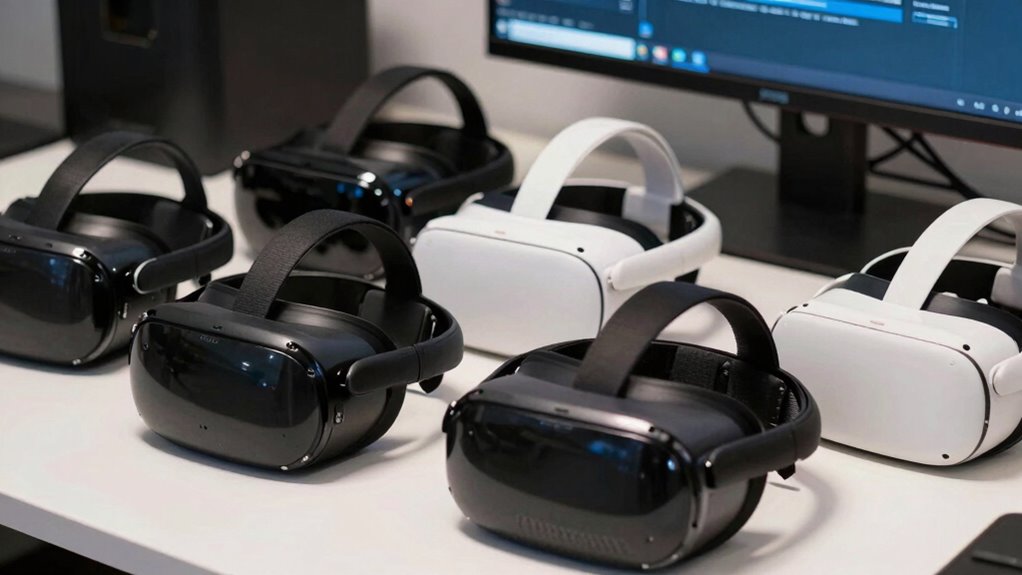
Future-proofing your VR purchases is tough because technology evolves rapidly, and manufacturers frequently change standards and hardware specs. Compatibility issues can arise from hardware upgrades or new device releases, making older equipment obsolete. Software updates may also cause problems with compatibility or leave older devices unsupported. While choosing open standards helps, staying ahead of industry shifts is uncertain. If you want to learn which strategies can help navigate these challenges, keep exploring this topic further.

Play games on Amazon Luna for your next adventure, included with Prime
- A rotating selection of games, no download needed
- Play on TV, laptop or phone
- Fast, free delivery for your gear, too
Key Takeaways
- Rapid technological advancements quickly render current VR hardware and software outdated or incompatible.
- Manufacturers frequently change standards and interfaces, complicating long-term compatibility.
- Software updates can introduce new bugs or drop support for older devices, affecting future usability.
- Market trends and new features emerge faster than existing devices can fully utilize or support.
- Investment risks increase due to unpredictable support lifecycles and the fast pace of innovation.
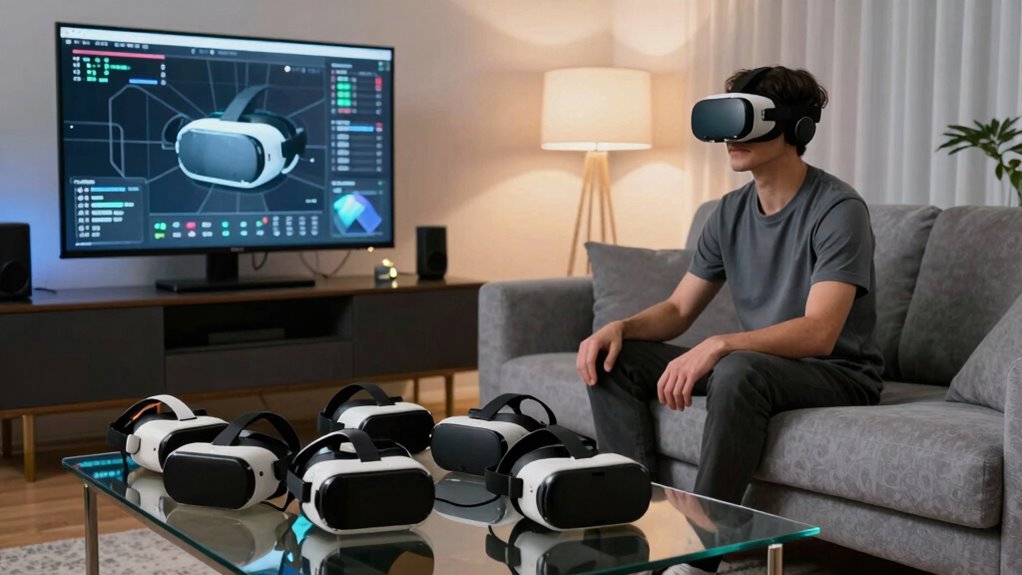
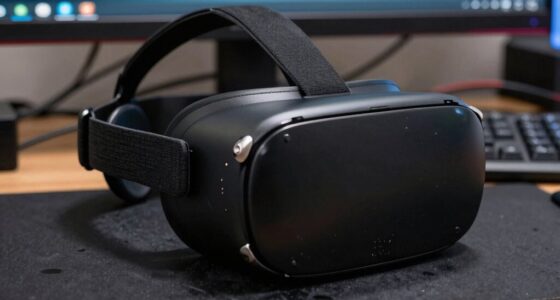
As virtual reality technology rapidly evolves, it’s smart to contemplate how your VR purchases will hold up over time. VR hardware and software are advancing at a breakneck pace, making it challenging to guarantee that your investments remain relevant for years to come. One of the biggest hurdles is hardware compatibility. When you buy a VR headset or accessories today, there’s no guarantee they’ll work seamlessly with future devices or platforms. Manufacturers often change interfaces, standards, and hardware specifications, meaning what works now might become obsolete or incompatible later. This creates a constant guessing game: will your current equipment still be functional or supported a few years down the line?
Software updates are equally unpredictable. Developers frequently release updates to improve performance, fix bugs, or add features, but these updates can sometimes introduce compatibility issues with older hardware. When the software evolves, older devices might struggle to keep pace or even become unsupported altogether. You might find yourself locked out of new features or updates, forcing you to upgrade sooner than you’d hoped. This creates a dilemma: should you invest in the latest hardware, knowing it might be short-lived, or settle for older, more compatible equipment that could lack modern features?
Attempting to future-proof your VR setup means balancing these uncertainties. You might consider choosing hardware built on open standards or more widely adopted platforms, which tend to have better longevity and broader support. However, even these aren’t foolproof, because manufacturers can still shift their focus or discontinue support. Additionally, staying informed about upcoming software updates and hardware releases is crucial, as support lifecycle can vary significantly between devices, impacting your long-term investment. Moreover, the rapid pace of hardware innovation means that new features are constantly emerging, often making current devices feel outdated quickly. This constant evolution can also impact the cost of maintaining a VR setup, as frequent upgrades become necessary to stay current. It’s important to recognize that the rapid advancement of technology often results in shorter product lifespans, further complicating future-proofing efforts. Furthermore, the uncertainty surrounding market trends and consumer preferences can influence how long a device remains relevant or supported, adding another layer of unpredictability.
Another complication is the rapid pace of innovation. Features that are cutting-edge today, like higher resolution displays or advanced tracking, may become standard in future devices. By the time you invest, a new generation might already be on the horizon, rendering your current purchase less attractive or outdated. Trying to buy “future-proof” hardware often means buying at the bleeding edge, which can be costly and still not guarantee long-term compatibility or software support.
Ultimately, future-proofing VR purchases is a complex gamble. The fast-changing landscape of hardware compatibility and the unpredictable nature of software updates make it nearly impossible to completely safeguard your investments. Instead, focus on purchasing from reputable companies with a track record of long-term support, and remain adaptable to upgrades or changes down the line. That way, you’re better prepared for the inevitable evolution of virtual reality technology.
VR headset compatibility adapters
As an affiliate, we earn on qualifying purchases.
As an affiliate, we earn on qualifying purchases.
Frequently Asked Questions
How Often Do VR Hardware Upgrades Typically Occur?
You can expect VR hardware upgrades roughly every 1 to 3 years, but it varies. Manufacturers often improve hardware compatibility and accessory integration with each new release, making it tricky to keep up. Staying updated means watching for announcements and considering how future-proof your purchase is. Often, investing in a versatile headset helps, but knowing upgrade cycles helps you decide when to buy or wait for the next big release.
What Are the Most Future-Proof VR Headsets Available Now?
Think of the Oculus Quest 2 and HTC Vive Pro 2 as your best bets for future-proof VR headsets. They offer impressive hardware longevity and broad compatibility, helping you dodge compatibility challenges down the line. While no headset is completely future-proof, these options provide a solid foundation for upcoming updates, ensuring your investment remains relevant longer. Staying updated on new releases can also help you make smarter, more adaptable choices.
How Can I Extend My VR Headset’s Lifespan?
To extend your VR headset’s lifespan, focus on hardware durability by handling it carefully and keeping it clean. Invest in protective accessories like cases and lens covers to prevent damage. Stay updated on firmware and software updates to guarantee compatibility with new features. Also, consider modular accessories that can be upgraded separately, helping your headset stay relevant longer and maximizing its usefulness over time.
Will Upcoming VR Standards Make Current Devices Obsolete?
Upcoming VR standards could make current devices obsolete, especially due to compatibility concerns. As new hardware standards emerge, older headsets might struggle to keep up, limiting access to the latest features and experiences. To maximize hardware longevity, you should stay informed about industry updates and consider future-proofing options like modular designs or firmware updates. However, no device remains fully future-proof, so balancing current needs with potential upgrades is key.
Are Software Updates Enough to Keep VR Devices Current?
Software updates alone aren’t enough to keep your VR device current because hardware obsolescence often outpaces software compatibility. As new features and standards emerge, older hardware may struggle to support them, leading to performance issues or incompatibility. While updates can extend your device’s lifespan, eventually, hardware limitations will require upgrades. To stay ahead, consider both software support and the longevity of the hardware when making your purchase.
As an affiliate, we earn on qualifying purchases.
Conclusion
Just as Icarus’s flight was doomed by hubris, your quest to future-proof VR purchases may soar only to fall. Technology’s swift evolution makes it tempting to buy the latest, yet what’s cutting-edge today might be obsolete tomorrow. So, tread carefully—embrace the journey rather than the destination, knowing that even Daedalus’s wings couldn’t guarantee eternal flight. In this ever-changing domain, adaptability is your true safeguard against becoming a modern Sisyphus.
As an affiliate, we earn on qualifying purchases.
As an affiliate, we earn on qualifying purchases.
Fall Picks
fall essentials
As an affiliate, we earn on qualifying purchases.