TL;DR

Play games on Amazon Luna for your next adventure, included with Prime
- A rotating selection of games, no download needed
- Play on TV, laptop or phone
- Fast, free delivery for your gear, too
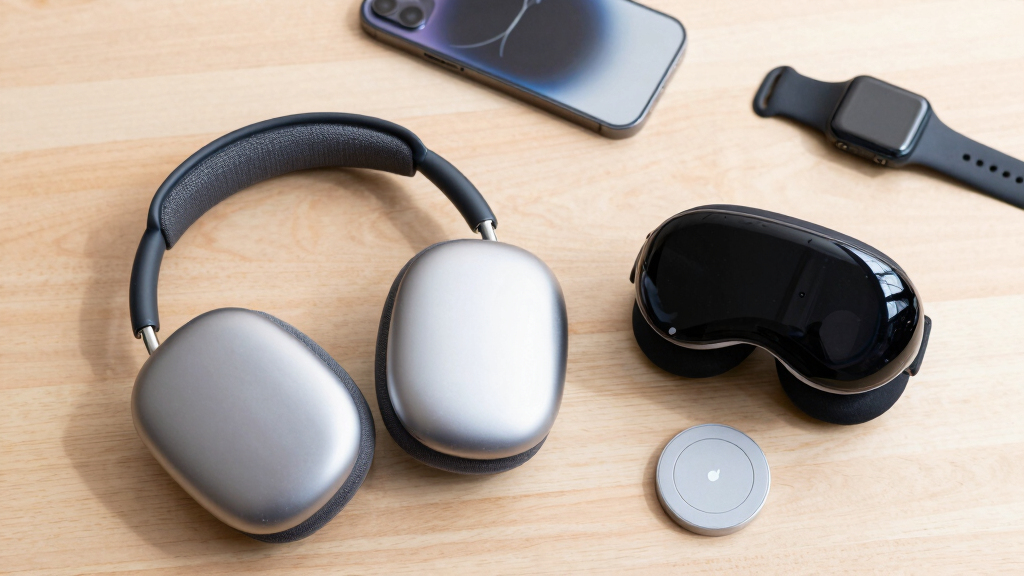
Apple has announced significant price hikes across its product line, including the Vision Pro headset, which now starts at $3,700. The increases are attributed to the global memory chip shortage affecting tech manufacturing.
Apple has raised the prices of several of its products, including the Vision Pro mixed reality headset, which now starts at $3,700, marking a $200 to $300 increase depending on storage options. Amplium makes room for a wider range of Apple immersive video on Vision Pro.
According to reports from UploadVR, the Vision Pro’s 256GB model has increased from $3,499 to $3,699, the 512GB version from $3,699 to $3,899, and the 1TB model from $3,899 to $4,199. These are among the highest prices for a consumer mixed reality device to date.
Apple also applied similar price increases to its Mac, iPad, and HomePod lines, reflecting broader industry trends driven by the ongoing global memory chip shortage. Outgoing CEO Tim Cook attributed the price hikes to the ‘global memory crisis,’ which has been exacerbated by the surge in demand for server-side AI inference models, causing a sharp rise in RAM and storage chip costs.
Despite rumors earlier this year suggesting Apple might cancel or delay its Vision headset line, the company has not indicated any such plans. Instead, the price increases are seen as a response to supply chain constraints rather than product discontinuation.
Impact of Price Increases on Consumers and Market
The price hikes highlight the ongoing impact of the global memory shortage on consumer electronics, making high-end devices like the Vision Pro less accessible to a broader audience. This could slow adoption of mixed reality technology and affect Apple’s competitive positioning in the XR market.
For consumers, the increased costs may limit the market for premium headsets and related devices, potentially shifting demand toward lower-cost alternatives or delaying purchase decisions. For Apple, it underscores the industry-wide challenges of scaling advanced hardware amid supply chain disruptions.
As an affiliate, we earn on qualifying purchases.
Memory Chip Shortage Drives Industry-Wide Price Hikes
The global shortage of memory chips, driven by the booming demand for AI and data-intensive applications, has severely constrained supply for major technology companies. OpenAI hires Apple Vision Pro and smart glasses executive, Apple, along with Sony, Microsoft, Meta, and Valve, has responded by raising prices on their respective products, citing increased component costs.
Earlier this year, Meta increased the price of Quest 3 and Quest 3S VR headsets, while Sony and Microsoft also raised prices on their gaming consoles. Valve announced a $1050 starting price for its Steam Machine and Steam Frame, citing component costs, though initial estimates suggested it could have been priced around $750 under normal circumstances.
This trend is expected to continue through at least 2027, as manufacturers work to scale up production of memory chips, which will take years. Industry analysts warn that consumer hardware prices could remain elevated until at least 2028.
“Our pricing reflects current supply chain realities and the costs associated with advanced components.”
— an Apple spokesperson
As an affiliate, we earn on qualifying purchases.
Unclear Duration and Future Price Trends
It is not yet confirmed how long these price increases will remain in effect or whether Apple plans to adjust prices further in response to evolving supply chain conditions. The full impact on product availability and consumer demand remains uncertain.
As an affiliate, we earn on qualifying purchases.
Expected Industry Responses and Market Adjustments
Manufacturers are continuing efforts to ramp up memory chip production, but supply constraints are expected to persist through 2027. UHF X11: X11 Built for VisionOS and Apple Vision Pro, Apple and others may adjust their pricing strategies accordingly, and upcoming product launches could be delayed or priced higher than initially planned.
Consumers and industry watchers should monitor supply chain developments and company statements for further updates on pricing trends and product availability.
As an affiliate, we earn on qualifying purchases.
Key Questions
Why has Apple increased the price of the Vision Pro headset?
Apple cited the global memory shortage and rising component costs as the primary reasons for the price increase, which affects the production costs of the Vision Pro and other devices.
Will the price of the Vision Pro come down in the future?
It is uncertain. Industry analysts suggest prices may remain high until memory chip supply improves significantly, which could take several years.
How does this price increase compare to other tech companies?
Other companies like Meta, Sony, and Microsoft have also raised prices on their products due to the same supply chain issues, indicating a broader industry trend.
Does the price increase mean Apple is canceling or delaying the Vision Pro?
No. Apple has not announced any cancellation or delay. The company continues to sell the Vision Pro, with the price hike attributed to supply chain costs.
What is the outlook for consumer hardware prices in the coming years?
Industry experts predict that prices will remain elevated through 2027 due to ongoing supply constraints, with some relief possibly arriving by 2028.
Source: UploadVR
Fall Picks
fall essentials
As an affiliate, we earn on qualifying purchases.