
TL;DR
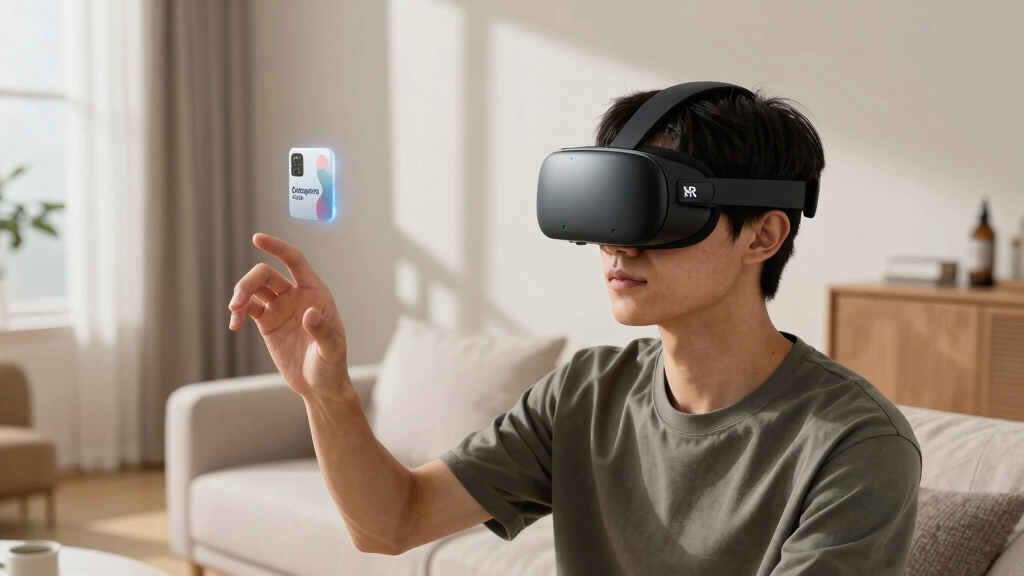
Qualcomm announced Snapdragon Reality Elite, a new processor designed to enable smaller, more powerful XR headsets and glasses. It features significant performance boosts, advanced AI capabilities, and improved power efficiency, paving the way for lighter, more comfortable devices.
Qualcomm has announced Snapdragon Reality Elite, a new processor designed to enable smaller, lighter XR headsets and AR glasses with advanced AI and improved performance. The chip aims to support devices that are more comfortable and longer-lasting, marking a significant step forward in XR hardware development.
Snapdragon Reality Elite, which is essentially an upgraded Snapdragon XR2 Gen 3, offers up to a 60% increase in GPU performance, 30% in CPU performance, and 160% in neural processing power compared to its predecessor. It supports AI operations up to 48 TOPS, allowing large language models and vision models to run directly on devices without cloud reliance, expanding possibilities for AI assistants, photorealistic avatars, and real-time digital object generation within mixed reality environments.
The new chip also enhances tracking and perception capabilities, with improved hand and head tracking and optical passthrough for better integration of digital and physical worlds. Display support includes resolutions up to 4.4K per eye at 90Hz, with hardware acceleration reducing latency and boosting image quality. Qualcomm states that the chip can deliver up to 20% longer battery life and operate at temperatures up to 12 degrees Celsius cooler, facilitating lighter, more comfortable headsets and glasses.
Implications for XR Device Design and Usage
This development is significant because it enables the creation of more compact, lightweight XR devices without sacrificing performance or AI capabilities. The increased efficiency and thermal management mean future AR glasses and headsets can be smaller, more comfortable, and suitable for longer use, potentially accelerating adoption across industries and consumers.
The ability to run advanced AI models on-device also reduces dependence on cloud processing, improving privacy, reducing latency, and enabling more autonomous applications. Qualcomm’s focus on integrated perception and tracking improvements further enhances user experiences by making digital content more seamlessly blend with the physical environment.

RayNeo Air 4 Pro AR/XR Glasses, HDR10 201" Virtual Display, 120Hz 3D Movie & Gaming Video Display, USB-C Plug & Play for iPhone 17/16/15, Android, Switch 2, PS5, Steam Deck
- HDR10 Virtual Display: 201-inch ultra-wide virtual screen with 10B colors
- AI SDR-to-HDR Upscaling: Enhances color, sharpness, and motion clarity
- 120Hz 3D Video Playback: Smooth 3D movies and gaming visuals
As an affiliate, we earn on qualifying purchases.
As an affiliate, we earn on qualifying purchases.
Previous Snapdragon XR Developments and Industry Trends
Qualcomm’s Snapdragon XR series has been central to the development of standalone and tethered XR headsets since its initial launch. The Snapdragon XR2 platform has powered many devices, but limitations in size, power consumption, and thermal management have constrained device design. The recent announcement of Snapdragon XR2 Gen 3 marked incremental improvements, but the new Snapdragon Reality Elite represents a significant leap toward miniaturization and enhanced AI integration.
Industry trends show a growing demand for lightweight AR glasses and compact VR headsets, driven by applications in enterprise, healthcare, and consumer markets. Qualcomm’s focus on AI and power efficiency aligns with broader industry goals of making XR devices more accessible and comfortable for everyday use.
“The Snapdragon Reality Elite offers a substantial boost in AI processing and power efficiency, which could redefine XR device design.”
— an anonymous researcher

Galaxy XR Virtual Reality Headset with Mixed Reality, High-Resolution Display, Spatial Audio, Advanced Sensors, Adjustable Comfort Fit, Silver (Renewed)
- Immersive Virtual and Mixed Reality: Supports high-resolution visuals and advanced tracking
- High-Quality Display: Sharp visuals for engaging viewing experience
- Spatial Audio and Sensors: Enhanced interaction with responsive motion tracking
As an affiliate, we earn on qualifying purchases.
As an affiliate, we earn on qualifying purchases.
Unconfirmed Details and Future Device Integration
While Qualcomm has announced the specifications and intended applications of Snapdragon Reality Elite, it is not yet confirmed which specific devices will incorporate the chip and when they will be released. Details about the final form factors of upcoming XR headsets and AR glasses remain to be seen, as well as how quickly manufacturers will adopt the new platform.
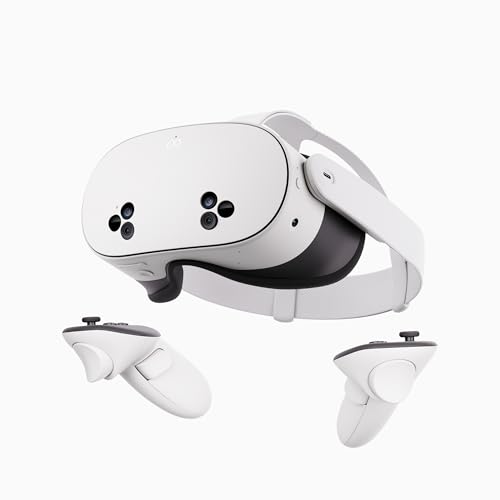
Meta Quest 3S 128GB | VR Headset — Thirty-Three Percent More Memory — Virtual Reality Without Wires — Access to 40+ Games with a 3-Month Trial of Meta Horizon+ Included (Renewed Premium)
- Wireless Freedom: Untethered VR experience
- Enhanced Graphics Power: Twice the processing speed
- Immersive Virtual Reality: Blend virtual and physical worlds
As an affiliate, we earn on qualifying purchases.
As an affiliate, we earn on qualifying purchases.
Upcoming Devices and Industry Adoption Timeline
Next steps include Qualcomm partnering with device manufacturers such as XREAL and Play for Dream to integrate Snapdragon Reality Elite into upcoming AR glasses and headsets. Industry watchers anticipate product announcements in late 2024 or early 2025, with broader adoption depending on device availability and consumer interest.

iFocus Electronics Virtual Reality Glasses, 4.5 inches, White
- Material: PU leather for comfort
- Design: Ergonomic face design
- Adjustability: Pupil distance adjustment
As an affiliate, we earn on qualifying purchases.
As an affiliate, we earn on qualifying purchases.
Key Questions
What is Snapdragon Reality Elite?
It is a new Qualcomm processor designed for XR headsets and AR glasses, offering enhanced AI, performance, and power efficiency to support smaller, lighter devices.
How does Snapdragon Reality Elite improve XR devices?
It provides significant boosts in GPU, CPU, and neural processing power, supports high-resolution displays, and reduces power consumption and heat, enabling more compact and comfortable devices.
When will new XR devices with Snapdragon Reality Elite be available?
Device manufacturers have announced partnerships, with expected releases possibly in late 2024 or early 2025, but specific models and timelines are not yet confirmed.
What applications will benefit most from Snapdragon Reality Elite?
Applications such as AI assistants, photorealistic avatars, digital object generation, and seamless mixed reality experiences will benefit due to on-device AI processing and improved perception capabilities.
Will this chip make XR headsets more affordable?
Potentially, by enabling smaller, more power-efficient devices, it could reduce manufacturing costs and improve device affordability over time. However, price impacts depend on device manufacturers’ strategies.
Source: Road to VR