TL;DR

Play games on Amazon Luna for your next adventure, included with Prime
- A rotating selection of games, no download needed
- Play on TV, laptop or phone
- Fast, free delivery for your gear, too
Pico has delayed its flagship XR headset, Pico Space Pro, from September to Q4 2026 to focus on a major software upgrade. The delay follows plans for a September launch event and is possibly influenced by competitive pressures from Valve’s Steam Frame.
Pico has officially delayed the release of its flagship standalone XR headset, the Pico Space Pro, from its initial September launch plan to the fourth quarter of 2026. The company cited the need for a “major upgrade” to the software experience as the reason for postponing the launch, which was originally scheduled to be announced at a Beijing event on September 2nd. This move marks a significant shift in the product’s timeline and raises questions about the company’s strategic positioning in the competitive XR market.
Earlier this year, Pico, a subsidiary of ByteDance, announced the Pico Space Pro, a high-end standalone XR headset expected to rival Apple’s Vision Pro and Samsung’s Galaxy XR. The device was set to be unveiled at a dedicated event in Beijing, where detailed specifications, pricing, and release plans were to be revealed. These included microOLED displays with 4,000 pixels per inch and a dual-chip architecture aimed at delivering low latency and high performance.
However, on September 1st, Pico issued a statement indicating that it would postpone the launch, citing the need for additional time to incorporate a “major upgrade” to the software experience. The company explained that hardware and initial software development had reached a high level of completion but that during final testing, an exciting new opportunity emerged, prompting the decision to extend development to ensure a better overall product.
Pico also announced plans to expand its Pioneer Experience Program and the Global Early Access Program, inviting more users to test pre-production units and software. The device’s specifications suggest it will feature advanced display technology, a dual-chip architecture with custom XR silicon, and significantly improved CPU and GPU performance compared to previous models.
While the delay affects the global launch schedule, Pico remains committed to releasing the product in late 2026. The move may also be a strategic response to the imminent launch of Valve’s Steam Frame, which is expected to compete directly with Pico’s offering and has generated considerable buzz with leaks, unboxing videos, and FCC certifications.
Implications for the XR Market and Competitors
The delay of Pico Space Pro underscores the intense competition in the high-end XR headset segment, where software experience is critical. The postponement may reflect Pico’s desire to refine its platform amid rising competition from Valve, Apple, and Samsung. It also highlights the challenges of balancing hardware innovation with seamless software integration, especially when competing against well-established players like Valve, which is delivering a native Steam experience on standalone devices. For consumers and industry watchers, this delay signals that the market is still evolving, with strategic moves by manufacturers influencing upcoming product cycles.
As an affiliate, we earn on qualifying purchases.
Market Expectations and Competitive Landscape
Earlier this year, Pico announced the Pico Space Pro with ambitious specifications, including microOLED displays and a dual-chip architecture designed for high performance and low latency. The device was positioned as a premium alternative to Apple’s Vision Pro, targeting prosumers and enterprise users, with a global launch planned alongside its domestic Chinese release. The company’s decision to delay comes amid mounting anticipation for Valve’s Steam Frame, which is expected to be released soon and is already generating buzz through leaks, FCC filings, and early user videos.
Valve’s approach, offering native Steam support on standalone hardware, presents a significant challenge for Pico, which must ensure its software experience matches or surpasses that of competitors. The timing of the delay suggests Pico may be trying to avoid launching prematurely into a market where Valve’s ecosystem could dominate early adoption. Historically, delays in hardware releases are common but often strategic, allowing companies to refine their products to better meet market expectations.
“To allow PICO Space Pro to be presented to you in a more complete state, we have decided to adjust the product release date to the fourth quarter of this year. Over the past period, the hardware and software of PICO Space Pro have reached a high level of completion, but during the final stage of experience verification, we saw an exciting new opportunity and wanted to bring it to everyone in the initial release.”
— Pico (via official statement)
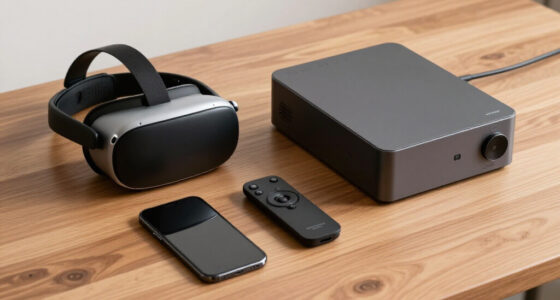
high-end VR headset with microOLED display
As an affiliate, we earn on qualifying purchases.
As an affiliate, we earn on qualifying purchases.
Unconfirmed Aspects of the Delay and Future Plans
It remains unclear whether the delay is solely due to software development or if strategic considerations related to Valve’s upcoming Steam Frame are a significant factor. Details about the specific software upgrades and how they might impact the device’s launch readiness have not been disclosed. Additionally, the exact timing of the final release and whether Pico will make further adjustments remain uncertain. The company has not provided detailed timelines beyond the broad Q4 2026 target, and the full specifications and pricing are still to be announced.
Pico Space Pro alternative VR headset
As an affiliate, we earn on qualifying purchases.
As an affiliate, we earn on qualifying purchases.
Next Steps for Pico and Market Expectations
Pico is expected to continue expanding its Pioneer Experience and Early Access programs in the coming months, inviting more users to test the pre-release hardware and software. The company will likely use this feedback to refine the product ahead of its delayed launch in late 2026. Meanwhile, Valve’s Steam Frame is anticipated to be revealed with a confirmed release date and price, which could influence Pico’s final market positioning. Industry observers will be watching for any further updates from Pico regarding software enhancements, regional release plans, and how the company plans to differentiate itself amid stiff competition.
As an affiliate, we earn on qualifying purchases.
Key Questions
Why did Pico delay the launch of the Pico Space Pro?
Pico cited the need for a major upgrade to the software experience as the reason for delaying the launch from September to Q4 2026, aiming to deliver a more complete and refined product.
Will the delay affect the device’s specifications or features?
There has been no official indication that the core hardware specifications will change, but the delay is intended to allow for software improvements that could enhance overall performance and user experience.
How does this delay impact Pico’s competitive position?
The postponement may be a strategic move to better position the device against Valve’s upcoming Steam Frame, which is generating significant market attention and could influence early adoption dynamics.
When is the new expected release date for Pico Space Pro?
Pico has announced the device will now launch in the fourth quarter of 2026, but exact dates have not been specified.
Will Pico still unveil the device at the September event?
No, Pico has canceled its September 2nd launch event and will instead focus on refining the product for a later release.
Source: Road to VR
Fall Picks
fall essentials
As an affiliate, we earn on qualifying purchases.