TL;DR
Meta’s smart glasses are facing increasing criticism due to reports of covert recording and privacy violations. The backlash includes social media videos, public bans, and celebrity comments, raising concerns about privacy and misuse.
Meta’s smart glasses, often called ‘pervert glasses,’ are facing mounting criticism after reports of covert recording and privacy violations. The controversy has led to social media videos, public bans, and high-profile comments, highlighting concerns over privacy and misuse of the technology.
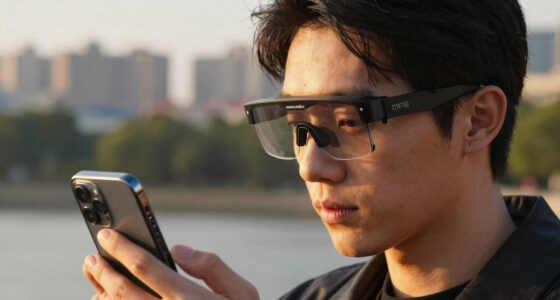
Meta’s smart glasses, which look like regular spectacles, allow users to record videos, take photos, listen to music, and use AI assistants. The company sells these glasses online and in retail stores, with prices ranging from approximately $224 to $800. Learn how smart glasses are shaping the future of fitness and wellness. Despite their popularity, the glasses have been criticized for enabling covert recording, especially in sensitive settings such as gyms, social gatherings, and private conversations.
Recent viral videos on social media show individuals secretly recording others without their knowledge, often in public spaces like malls, campuses, and clubs. Some users have been caught hiding or disabling the device’s recording indicator light, raising privacy alarms. See how privacy concerns are impacting smart glasses adoption. Public figures, including comedian Jimmy Kimmel and singer Lorde, have publicly criticized the glasses, calling them ‘pervert glasses’ and questioning their social acceptability.
Meta has responded by updating the glasses to disable cameras if tampered with and emphasizes that the devices are designed to be helpful for tasks like translation and hands-free calls. The company states it is working to build privacy protections into future versions of the glasses. Stay informed about regulations affecting smart glasses worldwide.
“Pervert Glasses”: Meta’s Smart Glasses Face a Reckoning
Covert recordings, disabled indicator lights and viral confrontation videos are turning a popular wearable into a test of how much ambient surveillance society will accept.
A camera hiding in plain sight
The glasses resemble conventional eyewear, reducing the visible cues people usually rely on to recognize a camera or change their behavior.
Low visibility
The recording hardware is integrated into a familiar frame, making it easy for bystanders to overlook the device’s camera function.
Covert recording
Viral videos reportedly show people being filmed without their knowledge in malls, campuses, clubs and private conversations.
Indicator tampering
Reports of users hiding or disabling the recording light have intensified demands for safeguards that cannot be bypassed.
How an individual recording becomes a market-wide problem
Connected devices create connected consequences: one misuse incident can reshape public norms, venue policies and regulation.
Covert capture
A person is recorded without clear awareness or consent.
Viral exposure
The footage spreads through social media and attracts scrutiny.
Public criticism
Creators, celebrities and viewers question social acceptability.
Local restrictions
Venues consider bans or tighter rules for camera-equipped eyewear.
Adoption risk
Privacy fears may slow mainstream demand across the category.
Utility, risk and the unanswered gap
The dispute is not simply about whether the glasses are useful. It is about whether their social costs can be controlled.
| Capability or issue | Promised value | Privacy exposure | Current response |
|---|---|---|---|
| Hands-free camera | Fast photo and video capture | Recording may go unnoticed | Indicator light plus anti-tamper updates |
| AI assistant | Contextual help and live translation | Uncertainty about sensed surroundings | Future privacy protections promised |
| Conventional frame design | Comfort and everyday wearability | Device is difficult to identify | Social rules remain fragmented |
| Social sharing | Immediate first-person content | Non-consenting people can become content | Stricter platform enforcement discussed |
| Venue use | Hands-free access throughout the day | Sensitive settings amplify harm | Some locations have introduced bans |
“It’s really weird to monetize off of people, and they’re not even aware that they’re being recorded.”
Gaby Luisa / privacy criticism
From “Glassholes” to “pervert glasses”
Smart eyewear has repeatedly run into the same adoption barrier: technical capability advances faster than shared etiquette.
The first social warning
Google Glass drew criticism more than a decade ago for covert recording and inappropriate use, producing the label “Glassholes.”
Viral amplification
First-person social videos and high-profile comments now spread privacy controversies far beyond the original encounter.
A category-wide test
Apple, Google, Samsung, Snap and other developers may face the same demand: make recording unmistakable and consent meaningful.
Three forces will decide whether smart glasses go mainstream
Technical safeguards alone may not restore trust if laws, platforms and public etiquette remain unsettled.
Harder-to-defeat signals
Manufacturers will be pressured to make recording indicators visible, reliable and resistant to physical or software tampering.
Rules for wearable surveillance
Governments may examine consent, biometric data and facial-recognition limits, even though comprehensive national bans have not emerged.
Trust becomes the feature
Early adopters may remain interested, but mainstream demand could stall if wearing the product becomes socially suspect.
Some locations reportedly restrict them, but there is no comprehensive national ban.
Meta says cameras can be disabled when the recording indicator is tampered with.
Yes. Persistent privacy fears and negative publicity may slow broader consumer adoption.
Debate and proposals continue, especially around facial recognition, but the legal picture remains fragmented.
Impact of Privacy Concerns on Smart Glasses Adoption
The controversy over Meta’s glasses underscores broader privacy issues associated with wearable tech. The backlash could slow consumer adoption, especially if privacy fears persist or lead to legal restrictions. It also highlights the challenge for tech companies to balance innovation with privacy safeguards, particularly as AI and surveillance capabilities expand.

Headwolf AI Smart Camera Glasses, 8MP Camera, Privacy Cover
- Hands-Free 8MP Camera: Capture photos and videos effortlessly
- Magnetic Privacy Cover: Quickly cover or uncover the camera
- Interchangeable Lenses: Switch between clear and sunglass lenses
As an affiliate, we earn on qualifying purchases.
As an affiliate, we earn on qualifying purchases.
History of Public Reactions to Smart Glasses
Public backlash against smart glasses is not new. Over a decade ago, Google Glass faced criticism and the nickname ‘Glassholes’ after reports of covert recording and socially inappropriate use. More recently, other companies like Snap have introduced AR glasses, but consumer acceptance remains cautious due to privacy concerns. The current wave of criticism is fueled by viral videos and high-profile comments, intensifying scrutiny of wearable surveillance devices.
“People use our AI glasses because they’re genuinely helpful for tasks such as listening to music, live translation, or hands-free calls.”
— Meta spokesperson
As an affiliate, we earn on qualifying purchases.
It is not yet clear how governments, regulators, or social platforms will respond to the backlash. While some places have banned the glasses, national legislation or broader bans are still under consideration. The impact on Meta’s sales and the company’s future product development remains uncertain as public opinion continues to evolve.
AR glasses for translation and calls
As an affiliate, we earn on qualifying purchases.
As an affiliate, we earn on qualifying purchases.
Next Steps in Privacy Safeguards and Market Response
Meta is expected to continue updating its glasses to improve privacy protections, including disabling cameras if tampered with. The company may also face increased regulatory scrutiny, and social media platforms are likely to enforce stricter rules on videos involving covert recordings. The market will also watch for how consumer demand shifts as awareness and concerns grow.
As an affiliate, we earn on qualifying purchases.
Key Questions
Are Meta’s smart glasses currently banned in any locations?
Some places have implemented bans on the glasses due to privacy concerns, but there is no comprehensive national ban at this time.
What specific privacy features has Meta added recently?
Meta updated the glasses so that cameras are disabled if tampered with, aiming to prevent stealth recording.
Could this backlash affect future sales of smart glasses?
Yes, analysts suggest that negative publicity and privacy concerns could slow mainstream adoption, even if early adopters remain interested.
Are other companies developing similar smart glasses?
Yes, companies like Apple, Google, Samsung, and Snap are working on or planning to release their own high-tech eyewear, but they will also face privacy challenges.
Is there any legislation planned to regulate smart glasses?
There is ongoing debate and some legislative proposals, but no comprehensive laws have been enacted yet. The American Civil Liberties Union and others have called for bans on facial recognition features in such devices.
Source: Hacker News