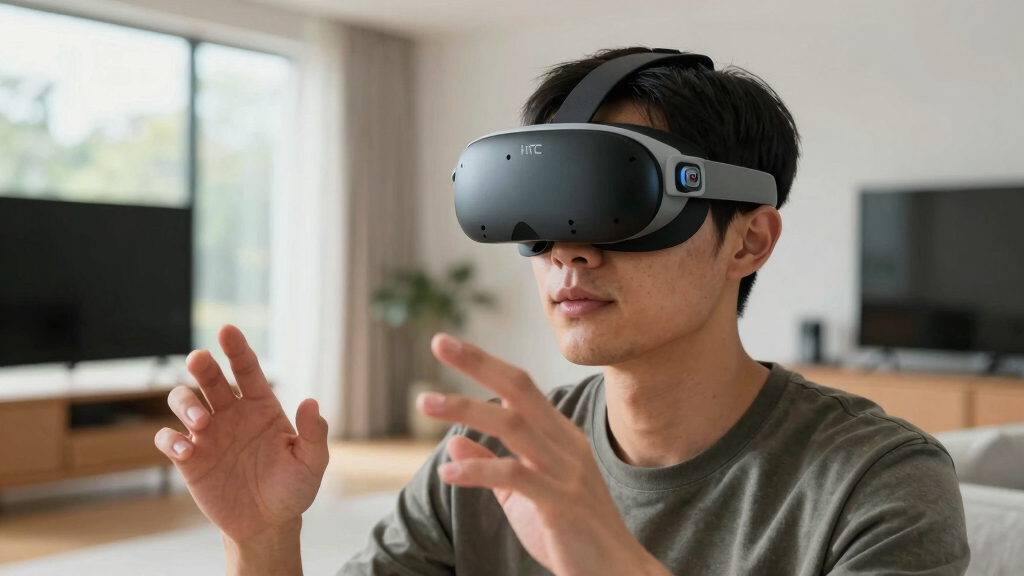

TL;DR
HTC’s June 2026 revenue showed signs of stabilization, with a slight decline of 8.5%. The company is focusing on AI, smart glasses, and metaverse growth to boost future revenue. Uncertainty remains over whether these initiatives will translate into sustained financial gains.
HTC’s consolidated revenue for June 2026 reached NT$292 million (~$10 million), representing a 8.5% year-over-year decrease. Despite the decline, this marks a rare period of stability for the Taiwan-based company, which has faced persistent revenue losses since 2013, and signals a potential turning point as HTC shifts focus toward AI, smart glasses, and metaverse platforms.
At its recent shareholders’ meeting, HTC revealed that its revenue decline has slowed, with first-half revenue down 9.7% compared to last year. The company’s efforts to pivot from its former smartphone dominance include investments in AI-powered smart glasses, notably the upcoming VIVE Eagle, expected in the US and Europe in Q3 2026, and enhancements to its VIVERSE metaverse platform, which now boasts over 1.7 million active users monthly and more than 32,000 pieces of user-generated content.
Chairman Cher Wang emphasized that AI has become a key strategic focus, with HTC actively developing new products around this technology. Meanwhile, HTC’s telecom subsidiary G REIGNS is expanding into industrial applications, including AI, 5G private networks, and edge computing, with projects targeting the US market and Taiwan’s fishing industry. However, HTC’s core XR headset line, including the VIVE Focus Vision released in September 2024, appears to have stalled, with no new hardware announced since then.
Despite these challenges, HTC’s survival amid the decline of its smartphone business and competition from Meta’s VR dominance highlights its resilience. Still, the company’s ability to convert these strategic initiatives into meaningful revenue remains uncertain, and its future growth hinges on the success of these new ventures.
Why HTC’s Revenue Stability Matters for XR and AI Markets
HTC’s recent revenue stabilization indicates a potential shift in its business trajectory as it refocuses on AI, smart glasses, and metaverse platforms. This transition could influence the competitive landscape of XR hardware and enterprise solutions, especially as HTC aims to reclaim relevance in these emerging markets. For investors and industry observers, HTC’s ability to monetize its strategic pivot will be a key indicator of its long-term viability and impact on the broader XR and AI sectors.

Meta Ray-Ban (Gen 2) Wayfarer Large Smart AI Glasses, Black, Clear Lenses
- Iconic Style with Advanced Tech: Smart AI glasses for men and women
- Extended Battery Life: Up to 8 hours on a single charge
- Charging Case Included: Provides 48 hours of on-the-go power
As an affiliate, we earn on qualifying purchases.
As an affiliate, we earn on qualifying purchases.
HTC’s Transition from Smartphones to XR and AI
Since selling a significant portion of its smartphone division to Google in 2018, HTC has struggled with declining revenues, reaching a low point in recent years. The company pivoted toward XR hardware, enterprise solutions, and metaverse platforms, attempting to leverage its early leadership in VR. The release of the VIVE Focus Vision in September 2024 marked HTC’s latest hardware effort, primarily targeting enterprise and enthusiast markets. Meanwhile, HTC has invested heavily in developing AI and industrial applications through its subsidiary G REIGNS, seeking new revenue streams amid ongoing market challenges.
“HTC’s revenue stabilization suggests a cautious recovery, but the company still faces significant hurdles in translating strategic initiatives into consistent profits.”
— an anonymous researcher
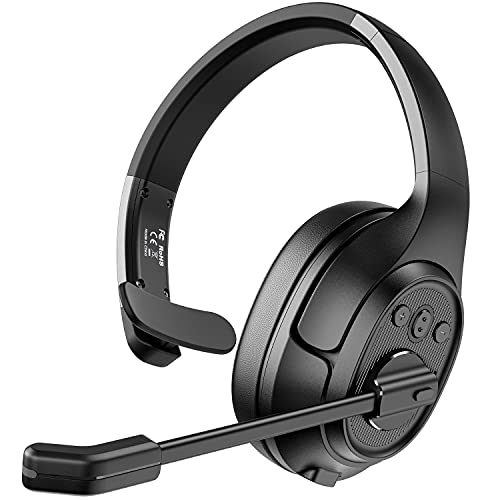
EKSA Noise Cancelling Trucker Bluetooth Headset with Microphone for Trucker
- Long Wireless Range: Up to 99 feet/30 meters
- Environmental Noise Cancellation: Eliminates up to 99.6% background noise
- Comfortable Over-Ear Design: Removable, soft, easy-to-clean earcups
As an affiliate, we earn on qualifying purchases.
As an affiliate, we earn on qualifying purchases.
Uncertainties Surrounding HTC’s Revenue Growth and Product Success
While HTC’s revenue has stabilized slightly, it remains unclear whether its investments in AI, smart glasses, and metaverse content will generate sustainable revenue. The success of the VIVE Eagle smart glasses and the monetization of the VIVERSE platform are still uncertain, and the company has not announced new hardware since the 2024 VIVE Focus Vision. Additionally, the impact of market competition and broader economic factors on HTC’s future remains to be seen.

Pico 4E (Enterprise) VR Headset
- Model: Pico 4E Enterprise
As an affiliate, we earn on qualifying purchases.
As an affiliate, we earn on qualifying purchases.
Next Steps for HTC’s Strategic and Financial Outlook
HTC is expected to launch the VIVE Eagle smart glasses in Q3 2026, which will be a key test of its AI-driven hardware strategy. The company will also continue to develop and expand its VIVERSE platform, aiming to increase user engagement and content monetization. Monitoring HTC’s financial results in the coming quarters will be essential to assess whether these initiatives translate into meaningful revenue growth and long-term stability.

Metaverse Platforms You Need To Know: Explore Decentraland, The Sandbox, Roblox, Meta Horizon, and Other Digital Frontiers (Metaverse Masterclass)
As an affiliate, we earn on qualifying purchases.
As an affiliate, we earn on qualifying purchases.
Key Questions
Will HTC’s AI-powered smart glasses succeed in the market?
HTC plans to release the VIVE Eagle in Q3 2026, but its market success remains uncertain and will depend on product performance, consumer adoption, and competitive response.
Can HTC’s metaverse platform generate sustained revenue?
While VIVERSE has attracted over 1.7 million active users, its ability to generate significant revenue depends on content monetization strategies and user engagement growth, which are still developing.
Does HTC’s revenue stabilization indicate a turnaround?
The slight stabilization suggests some resilience, but it is too early to confirm a sustained turnaround without further financial improvements and product success.
What are HTC’s main challenges moving forward?
Key challenges include converting user engagement into revenue, launching successful new hardware, and competing effectively against larger players like Meta in XR and AI markets.
Will HTC return to the smartphone market?
There are no current plans announced for HTC’s return to smartphones; the company appears focused on XR, AI, and enterprise solutions.
Source: Road to VR