TL;DR

Play games on Amazon Luna for your next adventure, included with Prime
- A rotating selection of games, no download needed
- Play on TV, laptop or phone
- Fast, free delivery for your gear, too
Google demonstrated its Android XR prototype glasses at AWE, showcasing a familiar user experience and effective AI integration. The device is still in prototype stage, with hardware details not finalized.
Google revealed a prototype of its Android XR smartglasses during the AWE conference, offering a glimpse of the company’s vision for augmented reality eyewear with familiar user experience and AI features.
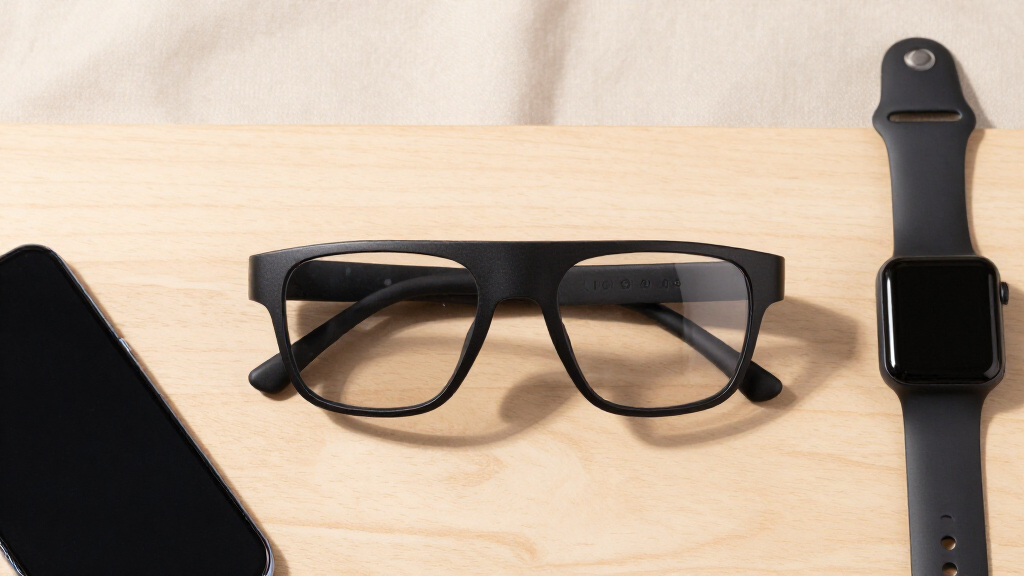
The prototype glasses, seen at AWE and previously shown at Google I/O, resemble normal glasses with thicker frames and integrated components such as a camera, privacy LED, speakers, and a small display. The device’s hardware remains in early testing, not intended for commercial release.
During the demo, users could interact with a simple UI, control music playback, and engage with Google’s Gemini AI assistant, which provided accurate responses and translation capabilities. The display was positioned in the lower part of the visual field to minimize distraction, aligning with Google’s recent UX guidelines for AR devices.
Google staff emphasized that these are internal prototypes used for testing Android XR functionalities, and hardware specifications are still evolving. The AI demonstrated effective voice recognition and contextual understanding, though occasional hallucinations, such as incorrect vegetarian suggestions, were noted.
Why This Prototype Matters for AR Development
This demonstration underscores Google’s ongoing efforts to create user-friendly AR glasses that integrate seamlessly with AI assistants, potentially shaping future consumer AR devices. The focus on familiar UX and minimal visual clutter indicates a user-centric approach that could influence mainstream AR product design.
While hardware remains in early stages, the prototype’s success in delivering a natural and efficient user experience suggests Google is making progress toward practical, wearable augmented reality solutions. The development could impact how AR glasses are adopted in daily life, blending digital and physical environments more intuitively.
As an affiliate, we earn on qualifying purchases.
Background on Google’s AR Glasses Development
Google has been exploring AR eyewear for several years, with previous efforts like Google Glass and more recent collaborations with Samsung and eyewear brands such as Gentle Monster. The current prototypes, shown at Google I/O and AWE, focus on integrating Android XR as the operating system and AI features like Gemini.
These prototypes serve as testing platforms rather than commercial products, reflecting Google’s cautious approach to AR hardware development. The focus has been on refining user experience, AI integration, and display ergonomics, with hardware specifications still evolving.
“These prototypes are part of our ongoing research to understand how AR glasses can deliver a seamless user experience with integrated AI.”
— Google spokesperson
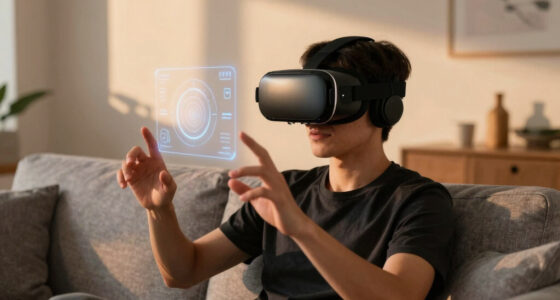
AR smart glasses with AI assistant
As an affiliate, we earn on qualifying purchases.
As an affiliate, we earn on qualifying purchases.
Hardware and Commercialization Uncertainties
It is not yet clear when or if Google plans to release consumer AR glasses based on this prototype. Hardware specifications, battery life, form factor, and pricing remain undisclosed, and the prototypes are primarily for testing and development purposes.
Additionally, the extent of AI capabilities, such as hallucination rates and contextual understanding, is still under evaluation, and real-world performance may vary in future iterations.
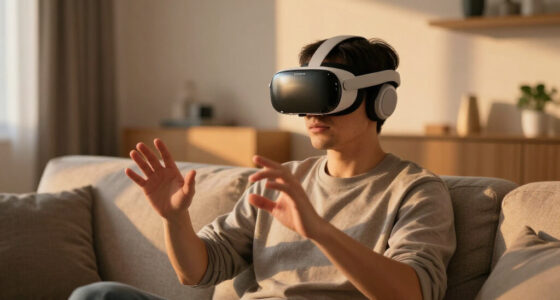
augmented reality glasses with display
As an affiliate, we earn on qualifying purchases.
As an affiliate, we earn on qualifying purchases.
Next Steps in Google’s AR Glasses Development
Google is expected to continue refining the hardware and software of its AR glasses prototypes, with further testing and user feedback shaping future designs. An eventual commercial launch could be several years away, depending on hardware maturity and market readiness.
Meanwhile, Google may showcase updated prototypes at upcoming events, and partnerships with eyewear brands could influence the final aesthetics and features of consumer devices.
wearable AR glasses for translation
As an affiliate, we earn on qualifying purchases.
As an affiliate, we earn on qualifying purchases.
Key Questions
When might Google release its AR glasses?
There is no official timeline yet; the current prototypes are for testing, and commercial release could be several years away depending on development progress.
What are the main features demonstrated in the prototype?
The prototype includes a heads-up display, voice-controlled AI (Gemini), music controls, and translation capabilities, all integrated into a pair of glasses resembling normal eyewear.
How does the user experience compare to existing AR devices?
Google’s prototype emphasizes a familiar, minimal-intrusion UX, with AI responses transcribed on the lower part of the display, aiming for seamless interaction similar to smartphone use.
Are these glasses intended for consumers now?
No, these are early-stage prototypes intended for testing Android XR functionalities. Commercial products are not yet announced.
What challenges remain before a consumer AR device can launch?
Hardware refinement, battery life, ergonomic comfort, cost, and ensuring AI accuracy and reliability are key hurdles before market release.
Source: The Ghost Howls
Halloween Picks
halloween
As an affiliate, we earn on qualifying purchases.