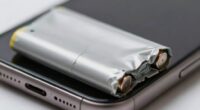
When you notice your charging cable feeling warm, it’s usually normal, especially during fast charging. However, if it feels hot or dangerously hot, it could mean excessive resistance or damaged insulation, which can be unsafe and harm your device. Warmth indicates the cable is working efficiently, but heat beyond that signals a potential problem. Knowing the difference helps you keep your device safe, and discovering more about what causes these temperature changes can protect you from future issues.
Key Takeaways
- “Warm” cables during charging are normal; “hot” indicates excessive heat and potential safety concerns.
- Excessive heat results from high resistance, poor insulation, or damaged wiring within the cable.
- Well-made cables stay relatively cool even during fast charging, while hot cables may signal faults.
- Persistent “hot” cables can damage devices, degrade the cable, or cause safety hazards.
- Regular inspection and using certified cables help prevent overheating and ensure safe charging.
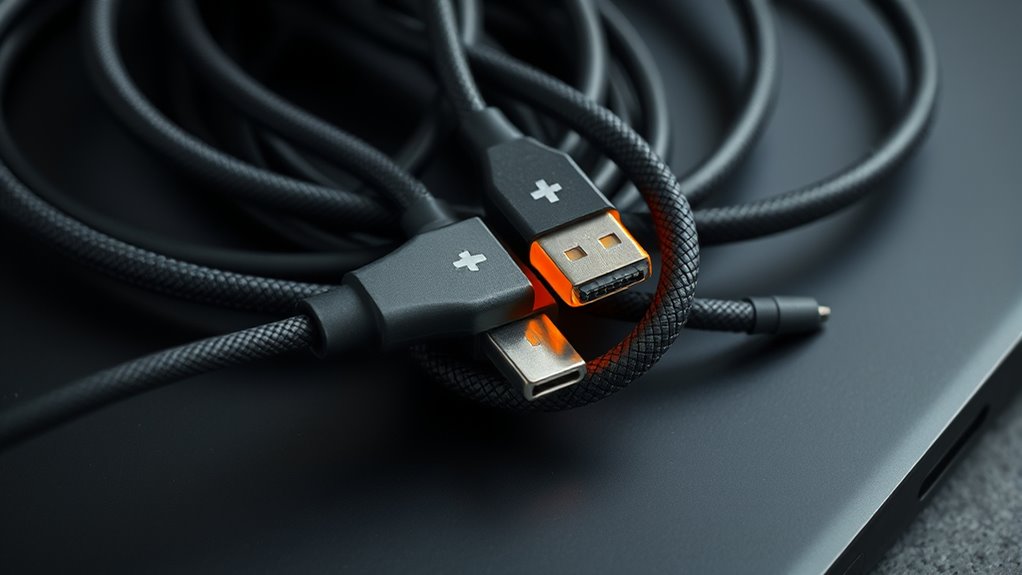
Charging cables often generate heat during use, which can affect both the cable’s lifespan and your device’s safety. When you notice your cable feeling warm or hot, it’s essential to understand why this happens and what it means for your devices. The heat primarily comes from electrical resistance within the wire material and the quality of cable insulation. If the wire material isn’t designed to handle high currents efficiently, it produces more heat. Similarly, poor or damaged cable insulation can lead to increased heat buildup, potentially causing safety hazards.
The wire material plays a pivotal role in how much heat your charging cable generates. Many cables use copper because of its excellent conductivity, which allows electricity to flow smoothly with minimal resistance. However, cheaper cables might use inferior wire materials or thinner wires, which increase resistance and generate more heat during charging. When the wire heats up excessively, it’s a sign that the cable isn’t performing at its best and might be risking damage or failure. If you’re investing in quality cables, look for those with thicker, high-quality wire that reduces resistance and heat production.
Cable insulation is equally important in managing heat. Good cable insulation shields the wire from external damage and prevents short circuits, which can cause sparks or fires. High-quality insulation materials, like thermoplastic elastomers or silicone, withstand high temperatures better and prevent heat from escaping into the surroundings or reaching the device. When insulation wears out or gets damaged, the exposed wire can heat up more rapidly, increasing the risk of overheating. This is especially true if the insulation becomes brittle or cracks over time, allowing heat to escape or creating potential contact points that may short-circuit.
It’s imperative to pay attention to how your charging cable behaves during use. If it feels warm but not excessively hot, that’s generally normal during charging. However, if it becomes hot to the touch or the device heats up considerably, it indicates a problem. A well-made cable with proper wire material and robust insulation should stay relatively cool, even during fast charging. If you notice persistent heat issues, it’s wise to replace the cable with a certified, high-quality option. Not only will this extend the lifespan of your cable, but it also guarantees the safety of your device and environment.
Understanding the role of wire material and cable insulation helps you recognize when a cable is functioning safely or if it’s a potential hazard. Always choose cables from reputable brands that prioritize quality, and regularly inspect your charging cables for signs of wear or damage. The heat generated during charging is normal to some extent, but excessive warmth is a warning sign you shouldn’t ignore. Additionally, advancements in insulation technology are continually improving safety and performance standards for charging cables.
![INIU USB C to USB C Cable, 240W Fast Charging Type C Charger Cord, Braided USBC Phone Charger Cable for iPhone 17 16 Pro Max Samsung S26 S25 Laptops MacBook Air 15 M3 iPad Switch [6.6ft+6.6ft Black]](https://m.media-amazon.com/images/I/41r3DXOHFvL._SL500_.jpg)
INIU USB C to USB C Cable, 240W Fast Charging Type C Charger Cord, Braided USBC Phone Charger Cable for iPhone 17 16 Pro Max Samsung S26 S25 Laptops MacBook Air 15 M3 iPad Switch [6.6ft+6.6ft Black]
[From INIU—the SAFE Fast Charge Pro] Experience the safest charging with over 38 million global users. At INIU,…
As an affiliate, we earn on qualifying purchases.
As an affiliate, we earn on qualifying purchases.
Frequently Asked Questions
Can Warm Cables Damage My Device’s Battery?
Warm cables generally won’t damage your device’s battery if thermal management is effective. However, consistently exposed to heat, cables can cause your device to warm up excessively, accelerating battery degradation over time. To protect your battery, avoid prolonged exposure to warmth, and make certain your charging setup has proper thermal management. Keeping cables and your device cool helps maintain battery health and prolongs its lifespan.
How Long Does It Take for Cables to Cool Down?
You wonder how long it takes for cables to cool down, don’t you? Once removed from your device, thermal insulation slows the process, making it feel like forever. Typically, in ambient temperatures around 20-25°C, cables cool within a few minutes—just enough for you to feel relief. But if the environment’s warmer, it might take a little longer. Stay patient; cool-down times vary, but your cable will settle soon enough.
Are There Specific Materials That Reduce Heat?
Certain materials improve heat dissipation, reducing heat buildup in cables. You should look for cables made from materials with high thermal conductivity, like copper or aluminum, because their properties allow heat to disperse quickly. These materials help keep your cables cooler during charging, preventing overheating. Choosing cables with such materials can enhance safety and extend their lifespan, ensuring your devices stay protected even during intensive use.
Does Cable Thickness Affect Heat Generation?
Think of your cable as a highway; thicker cables with a lower wire gauge create wider lanes, allowing better heat dissipation. Yes, cable thickness affects heat generation—thicker cables handle more current and stay cooler because they disperse heat more efficiently. When you choose a cable with appropriate thickness, you reduce the risk of overheating, ensuring safer, more reliable charging. So, thicker isn’t always better, but it often helps manage heat better.
Can Heat Influence Charging Speed or Efficiency?
Heat can definitely influence charging speed and efficiency. When thermal management isn’t effective, heat builds up, slowing down heat conduction and causing the charger or cable to become warm or hot. This prevents ideal power transfer, reducing charging speed. To maintain efficiency, guarantee your charging setup has proper thermal management, like good ventilation, so heat dissipates quickly and your device charges efficiently without overheating.
INIU USB C to USB C Cable, 240W Fast Charging Type C Charger Cord, Braided USBC Phone Charger Cable for iPhone 17 16 Pro Max Samsung S26 S25 Laptops MacBook Air 15 M3 iPad Switch [6.6ft+6.6ft Black]
[From INIU—the SAFE Fast Charge Pro] Experience the safest charging with over 38 million global users. At INIU,…
As an affiliate, we earn on qualifying purchases.
As an affiliate, we earn on qualifying purchases.
Conclusion
So, next time you notice your charging cable feeling warm, remember it’s not unlike Icarus flying too close to the sun—just a little caution can prevent trouble. Understanding what ‘warm’ versus ‘hot’ truly means helps you stay safe and extend your cable’s life. Keep an eye on those temperatures, and don’t let your device’s heat become your downfall. Stay wise, stay safe—after all, even Daedalus knew the importance of balance.

MAGNITTO USB Type C Cable, Metal Braided Cord 6ft 2-Pack, Fast Type-C Charger Durable USB-A to USB-C Charging Cable for Samsung Galaxy S21 S20+ S10 S9 S8 A51 Note PS5 Controller Pixel
Ultra-durable metal hose keeps cord in good condition in spite of chewing by your lovely pet. Actually, pets…
As an affiliate, we earn on qualifying purchases.
As an affiliate, we earn on qualifying purchases.

Ruaeoda USB to USB Cable 3 ft, USB 3.0 Male to Male Type A to A Double Sided USB Cord for Data Transfer,Hard Drive,Laptop,DVD,TV,USB Hub and More(Not for PC-to-PC)
[2026 UPGRADED] 22,000+ BEND LIFESPAN: Cords usually snap at the neck. We fortified the strain relief and laser-welded…
As an affiliate, we earn on qualifying purchases.
As an affiliate, we earn on qualifying purchases.