
TL;DR

Play games on Amazon Luna for your next adventure, included with Prime
- A rotating selection of games, no download needed
- Play on TV, laptop or phone
- Fast, free delivery for your gear, too
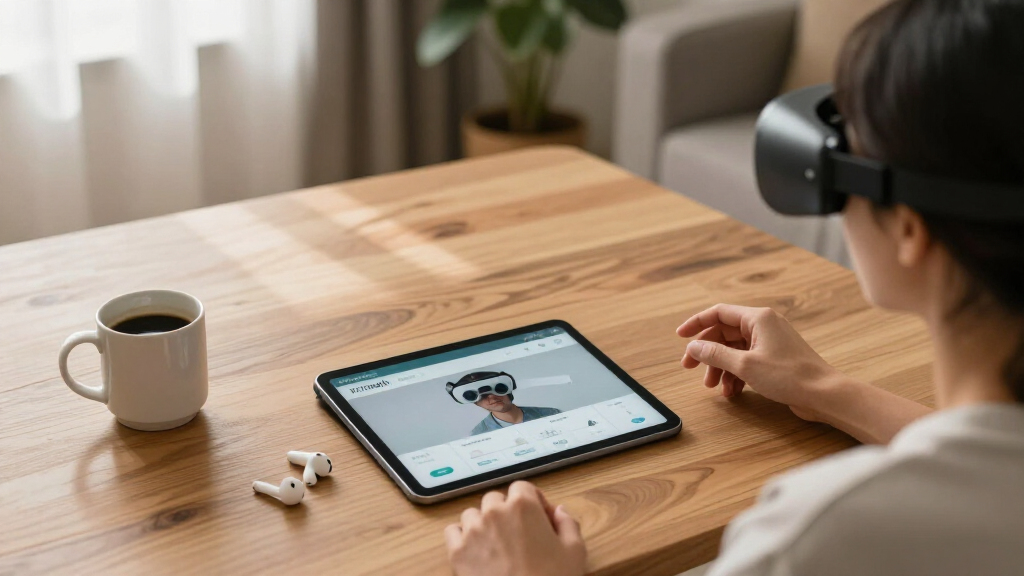
XRHealth has started prescribing augmented reality glasses to patients for real-time telehealth sessions. This development signals a potential shift in remote healthcare practices, though official details remain limited. The move could impact how healthcare providers deliver remote care.
XRHealth has begun prescribing augmented reality (AR) glasses for patients to facilitate real-time telehealth consultations. This initiative aims to enhance remote healthcare delivery by integrating AR glasses technology directly into patient-provider interactions, marking a notable development in digital health services.
According to XRHealth, the company is now actively prescribing AR glasses to patients as part of its telehealth platform. The glasses enable healthcare providers to conduct live, interactive sessions with patients, overlaying digital information onto the real-world environment. While the specific models of AR glasses being prescribed have not been publicly disclosed, XRHealth emphasizes that the devices are designed to support a variety of medical assessments and therapeutic interventions remotely.
Sources familiar with the initiative indicate that the AR glasses are intended to improve the quality of remote consultations by providing clinicians with enhanced visual data, real-time patient monitoring, and interactive tools. The company has not yet announced official partnerships with specific device manufacturers or detailed clinical protocols for the new prescribing process. The rollout appears to be in early stages, with initial pilots underway in select markets.
Potential Impact of AR Glasses on Telehealth Delivery
This development could significantly influence how remote healthcare is delivered by enabling more interactive and immersive consultations. If successful, it may lead to broader adoption of AR technology in telemedicine, improving diagnostic accuracy and patient engagement. The move also highlights a trend toward integrating advanced digital tools into everyday healthcare, which could reshape provider-patient interactions and expand access to specialized care in underserved areas. However, the actual clinical effectiveness and regulatory approval status of these devices remain to be seen, making the full impact uncertain at this stage.augmented reality glasses for telehealth
As an affiliate, we earn on qualifying purchases.
As an affiliate, we earn on qualifying purchases.
Growing Interest in Augmented Reality for Healthcare
The use of augmented reality in healthcare has been a growing area of interest for several years, with applications ranging from surgical planning to patient education. The recent surge in coverage and search interest appears to be driven by ongoing advancements in AR hardware and software, along with increasing demand for remote care solutions, especially in the wake of the COVID-19 pandemic. Although XRHealth’s move is among the first to publicly prescribe AR glasses for telehealth, other companies and institutions have explored similar technologies, but widespread adoption has been limited so far.
It is important to note that this trend is still in early stages, and the specific details of how AR glasses will be integrated into routine telehealth services are still emerging. The current spike in interest may be fueled by broader industry discussions about digital health innovation, but official confirmation about the scope and scale of XRHealth’s initiative remains unavailable.
As an affiliate, we earn on qualifying purchases.
Unconfirmed Details and Regulatory Status of AR Prescriptions
It is not yet clear which specific AR devices are being prescribed, how widespread the rollout will be, or whether regulatory agencies have approved the practice. The clinical efficacy and patient safety considerations are still under review, and official guidance has not been publicly issued. The current information is based on company statements and early pilot programs, leaving many details unconfirmed.As an affiliate, we earn on qualifying purchases.
Next Steps in Adoption and Clinical Validation
XRHealth plans to expand pilot programs and pursue regulatory approval for prescribing AR glasses in telehealth. Future efforts may include clinical studies to assess the effectiveness of AR-enhanced consultations, collaborations with device manufacturers, and wider deployment across healthcare providers. Tracking these developments will be essential to understanding the long-term implications of this technology in remote healthcare.
telehealth augmented reality device
As an affiliate, we earn on qualifying purchases.
As an affiliate, we earn on qualifying purchases.
Key Questions
What types of AR glasses are being prescribed?
It is currently unclear which specific AR devices XRHealth is prescribing, as they have not disclosed device models or manufacturers publicly.
Are AR glasses approved by regulators for medical use?
No official regulatory approval has been announced for prescribing AR glasses in telehealth, and clinical validation is still underway.
How might AR glasses improve telehealth consultations?
AR glasses could enable more interactive, immersive, and data-rich remote consultations, potentially improving diagnostic accuracy and patient engagement.
When will AR prescription programs be widely available?
There is no confirmed timeline; the initiative is currently in early pilot stages with future expansion depending on regulatory and clinical validation outcomes.
Could this technology replace traditional telehealth methods?
While AR glasses might enhance remote care, they are unlikely to fully replace standard telehealth practices but could become a valuable supplement in certain clinical scenarios.
Source: rss
Fall Picks
fall essentials
As an affiliate, we earn on qualifying purchases.