TL;DR

Play games on Amazon Luna for your next adventure, included with Prime
- A rotating selection of games, no download needed
- Play on TV, laptop or phone
- Fast, free delivery for your gear, too
US police are worried that Meta’s smart glasses might be exploited for secret recordings of law enforcement. The concern is based on current trends, but specific threats remain unconfirmed. This development raises privacy and safety questions for officers and the public.
US law enforcement officials have expressed concern that Meta’s smart glasses could be used to covertly record police officers during their duties. While no specific incidents have been confirmed, the concern is driven by the increasing popularity of wearable technology capable of discreet recording, and the potential misuse of such devices. This issue is gaining attention amid broader debates over privacy and surveillance in public spaces.
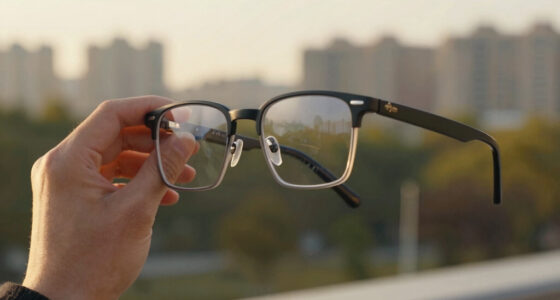
According to sources familiar with law enforcement discussions, police officers fear that Meta’s smart glasses — which incorporate cameras and augmented reality features — could be used by civilians to secretly document police activities without their knowledge. These glasses are part of a growing market of wearable devices that can record high-quality video and audio discreetly. While Meta has not announced any new glasses explicitly designed for covert recording, the existing models and prototypes have raised concerns among officers about potential misuse.
Law enforcement agencies are reportedly considering policies and technological countermeasures to mitigate the risk of covert recordings, but details remain unclear. Officials emphasize that the primary concern is the threat to officer safety and privacy, as secret recordings could be used maliciously or to undermine police authority. The concern is compounded by the broader trend of increased public use of wearable tech for recording in various contexts, including protests and public interactions.
Meta has not publicly commented on the specific police concerns, but the company has previously stated that its devices are intended for lawful use and that it supports privacy protections. Experts note that the technology itself is neutral; the key issue is how it is used and regulated, raising questions about privacy rights and the potential for abuse.
Implications for Privacy and Law Enforcement Safety
This concern highlights ongoing tensions between technological innovation and privacy rights. If wearable devices like Meta’s smart glasses can be used to secretly record police, it could impact officer safety, public transparency, and the legal boundaries of surveillance. The development underscores the need for clear policies, technological safeguards, and legal frameworks to address potential misuse and protect both officers and citizens.
As an affiliate, we earn on qualifying purchases.
Rise of Wearable Tech and Public Recording Trends
Wearable technology capable of recording video and audio has become increasingly popular over recent years, with devices like smart glasses, body cameras, and smartphones facilitating public documentation of interactions with law enforcement. The trend has prompted debates over privacy rights, surveillance, and the limits of recording in public spaces. While police have generally supported body cameras for accountability, concerns about covert recording devices have emerged as a new challenge.
Historically, law enforcement agencies have been cautious about emerging surveillance tools, balancing safety with privacy. The current concern over Meta’s smart glasses fits into this broader context, where the rapid adoption of new tech often outpaces regulation and policy development. The issue is also fueled by high-profile incidents involving recording devices and police accountability movements.
As an affiliate, we earn on qualifying purchases.
Extent of the Threat and Regulatory Responses
It remains unclear how widespread the potential misuse of Meta’s smart glasses might be, as no confirmed incidents have been reported. The specific capabilities of current models for covert recording are also not fully detailed, and Meta has not announced any targeted features for secret recording. Additionally, the legal and regulatory responses to this concern are still in development, with no clear policies yet established to prevent misuse.
As an affiliate, we earn on qualifying purchases.
Monitoring Policy Developments and Technological Safeguards
Law enforcement agencies are expected to continue discussing policies and possible technological solutions to prevent covert recordings. Regulatory bodies may also consider new guidelines or legislation to address wearable tech misuse in public safety contexts. Meanwhile, Meta and other device manufacturers could face pressure to implement privacy protections or restrictions on discreet recording features. Public awareness and debate over privacy rights are likely to intensify as the issue gains attention.
As an affiliate, we earn on qualifying purchases.
Key Questions
Could Meta’s smart glasses actually be used for secret recording?
While current models are capable of recording video and audio, there are no confirmed reports of them being used specifically for covert recording in law enforcement contexts. Concerns are primarily based on potential misuse and technological capabilities.
What are the legal implications of secretly recording police?
Legal issues vary by jurisdiction. In many areas, recording in public is permitted, but covert recording without consent may violate privacy laws or regulations. Law enforcement agencies are concerned about how such recordings could be used maliciously or to undermine their authority.
How might police prevent or respond to covert recordings from wearable devices?
Strategies include developing policies that restrict recording near officers, technological measures like disabling recording features in certain zones, and legal actions against misuse. The specifics are still under discussion and vary by jurisdiction.
Is Meta planning to modify its devices to prevent covert recording?
Meta has not publicly announced any plans to restrict or modify its smart glasses specifically for covert recording prevention. Future updates or policies may address these concerns as they develop.
Source: fediverse
Halloween Picks
halloween
As an affiliate, we earn on qualifying purchases.