TL;DR
Search interest in virtual reality to ease MRI anxiety is increasing amid reports of promising pilot studies. However, there is no definitive scientific proof of effectiveness yet. The development highlights potential but remains unconfirmed.
Interest in using virtual reality (VR) to help patients manage anxiety during MRI scans is increasing, fueled by reports of promising pilot studies and growing coverage. However, there is currently no conclusive scientific evidence confirming VR’s effectiveness for this purpose, and research is still in early stages.
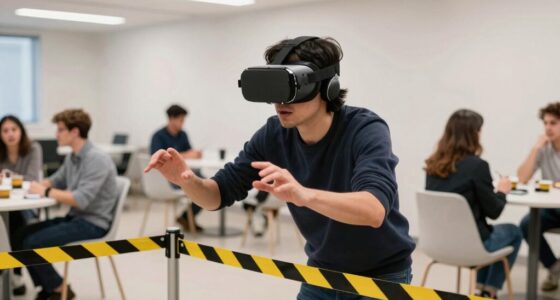
Multiple healthcare providers and researchers have begun exploring VR as a tool to distract or calm patients undergoing MRI procedures, which are known to cause anxiety in many individuals. For more on this, see Virtual Reality Can Help Ease Anxiety, Claustrophobia During Cardiac Imaging. Search interest in VR for MRI anxiety has spiked in recent months, according to trend monitoring tools, though no large-scale clinical trials have yet been published. You can also explore promising virtual reality stocks for potential future developments. Some pilot projects report positive anecdotal feedback, suggesting potential benefits, but these are not sufficient to establish efficacy.
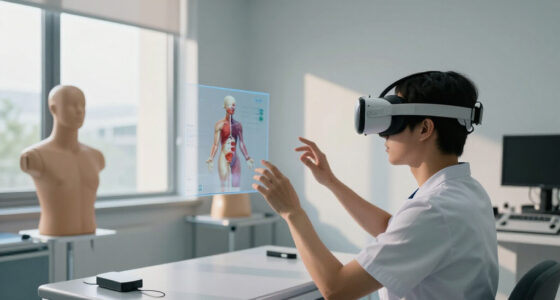
Experts caution that while VR could offer a non-invasive, drug-free way to reduce distress, the evidence remains preliminary. The technology’s use in this context is still considered experimental, and regulatory approval or standardized protocols are not yet in place. Researchers emphasize the need for rigorous, peer-reviewed studies to determine whether VR can reliably improve patient outcomes during MRI scans.
Potential Impact on MRI Patient Experience
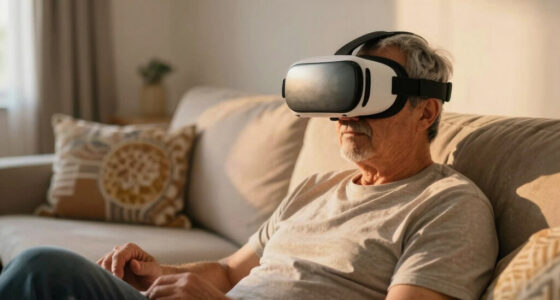
If proven effective, VR could significantly improve the patient experience during MRI scans, which are often associated with high levels of anxiety and claustrophobia. This could lead to fewer cancellations, improved image quality, and overall better healthcare outcomes. Moreover, VR interventions might reduce the need for sedatives or anesthesia, lowering risks and costs. However, without solid evidence, healthcare providers remain cautious about adopting the technology widely.
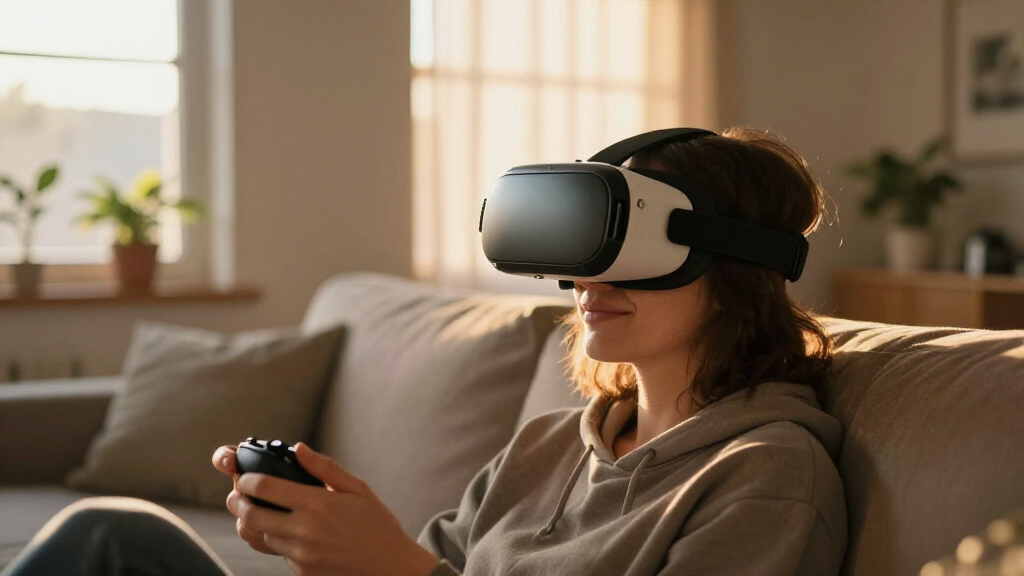
virtual reality headset for medical anxiety
As an affiliate, we earn on qualifying purchases.
As an affiliate, we earn on qualifying purchases.
Growing Interest Amid Limited Evidence
The idea of using VR to mitigate medical procedure anxiety is not new, but recent spikes in online searches and media coverage suggest a renewed focus on this approach. The current trend appears driven by early pilot studies and technological advancements, but these are mostly anecdotal or small-scale. Historically, managing MRI anxiety has relied on sedation, patient education, and environmental modifications; VR is a novel addition that is still being tested.
While some clinics have experimented with VR headsets to distract patients, there is no standardized protocol or large randomized trial confirming its effectiveness. The current interest may be partly fueled by broader trends in digital health and patient-centered care, but the scientific community emphasizes caution until more definitive data emerges.
As an affiliate, we earn on qualifying purchases.
Unproven Effectiveness and Lack of Large-Scale Data
It is not yet clear whether VR significantly reduces MRI-related anxiety across diverse patient populations. No large, peer-reviewed clinical trials have been published to date. The existing reports are mainly anecdotal or from small pilot studies, which limits the ability to generalize findings. The regulatory status and standardized protocols for VR use in this context remain undefined, and questions about long-term safety and cost-effectiveness are unresolved.
As an affiliate, we earn on qualifying purchases.
Need for Rigorous Clinical Trials and Validation
Researchers and healthcare providers are calling for larger, controlled studies to evaluate VR’s efficacy objectively. Future efforts will likely include randomized clinical trials, standardized intervention protocols, and assessment of patient outcomes. Regulatory agencies may also need to develop guidelines if VR proves effective. Meanwhile, some clinics continue to experiment with VR, but widespread adoption awaits more definitive evidence.
As an affiliate, we earn on qualifying purchases.
Key Questions
Can VR currently be used reliably to reduce MRI anxiety?
Currently, VR is considered experimental for this purpose, with no large-scale studies confirming its reliability or effectiveness. It is used in some clinics on a trial basis.
What are the potential benefits of using VR during MRI scans?
If proven effective, VR could help reduce anxiety, improve image quality, decrease the need for sedatives, and enhance overall patient comfort during MRI procedures.
Are there any risks associated with using VR in this context?
Risks are not well documented but may include motion sickness, discomfort, or adverse reactions in some users. More research is needed to assess safety thoroughly.
When might VR become a standard tool for MRI anxiety management?
Widespread adoption depends on the results of future clinical trials and regulatory approval. It could take several years before VR is established as a standard intervention if proven effective.
How does VR compare to existing anxiety management methods for MRI?
Currently, VR is a promising but unproven alternative to sedatives, environmental modifications, and patient education. Its comparative effectiveness remains to be established through rigorous research.
Source: rss