TL;DR
Get ready for Prime Big Deal Days — try Prime free
Exclusive member deals on October 6–7, plus fast free delivery. Cancel anytime.
Start your free trialAs an affiliate, we earn on qualifying purchases.
Qualcomm will raise its chip prices by double digits starting September 2026, according to a company email. This could lead to higher costs for VR headsets like Valve’s Steam Frame, with broader implications for consumer electronics.
Qualcomm has announced a planned increase in chip prices by double digits, set to take effect on September 1, 2026. The move, confirmed through an internal company email seen by Bloomberg, could significantly impact the cost structure of VR headsets and other consumer electronics relying on Qualcomm processors, including Valve’s upcoming Steam Frame headset.
The email from Qualcomm states that, despite efforts to find alternative components, the company can no longer absorb rising costs from its suppliers, leading to a planned price increase. This escalation is driven partly by supply chain issues, notably the dominance of Taiwan Semiconductor Manufacturing Co (TSMC) in outsourced chip production, which has become a bottleneck for many major clients including Qualcomm, Samsung, Xiaomi, and Meta.
Most standalone VR headsets currently on the market depend on Qualcomm’s Snapdragon chips, with the Steam Frame, Pico’s Project Swan, and Meta’s upcoming headsets all likely to be affected. The exact increase percentage has not been disclosed, but sources indicate it will be in the double digits, which could raise manufacturing costs significantly.
Valve’s Steam Frame, which is still without an announced price or release date, is expected to see its production costs increase. Valve may choose to absorb the costs, raise the headset’s price, or delay the price hike until after launch, though the exact response remains unclear.
Potential Impact on VR Hardware Pricing and Market Dynamics
This price increase could lead to higher retail prices for VR headsets relying on Qualcomm chips, potentially slowing adoption or shifting market expectations. For Valve, the impact on the Steam Frame’s pricing strategy could influence consumer interest and competitive positioning. Moreover, the broader consumer electronics market may face increased costs for smart glasses, AR devices, and other future products that depend on high-performance Qualcomm processors.
In the longer term, the rising component costs may force companies to reconsider the necessity of cutting-edge processors in their devices, possibly impacting innovation and product differentiation in the VR and AR sectors.
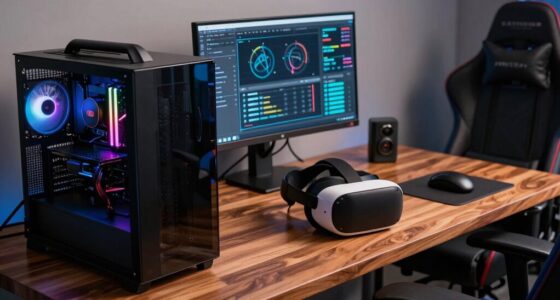
VR headset with Snapdragon processor
As an affiliate, we earn on qualifying purchases.
As an affiliate, we earn on qualifying purchases.
Background on Qualcomm’s Chip Pricing and VR Industry Dependency
Qualcomm is the dominant supplier of processors for most standalone VR headsets, with its Snapdragon series serving as the backbone for devices from multiple manufacturers. The company’s pricing practices have historically been stable, but recent supply chain pressures, especially the dominance of TSMC in chip manufacturing, have driven costs higher.
In recent years, the VR industry has seen rapid growth, with companies like Meta, Pico, and Valve investing heavily in standalone headsets that rely on Qualcomm’s Snapdragon chips. Valve’s Steam Frame, still unpriced and unreleased, is expected to be a flagship device that could be affected by rising component costs. The announcement of a significant price hike by Qualcomm marks a notable shift that could ripple across the industry.
Prior to this, the industry has faced challenges such as shortages of RAM and storage components, further complicating manufacturing costs and pricing strategies for VR devices.
“Qualcomm’s decision to raise chip prices reflects ongoing supply chain pressures and supplier cost increases.”
— an anonymous researcher
As an affiliate, we earn on qualifying purchases.
Unclear Details on Price Increase and Valve’s Response
While the announcement confirms a double-digit price hike set for September 2026, the exact percentage and how it will be implemented remain undisclosed. It is also unclear how Valve will respond—whether by absorbing costs, adjusting the Steam Frame’s price, or delaying its release.
Additionally, the broader impact on other Qualcomm-based devices and the potential for supply chain adjustments are still developing and have not been officially clarified.
As an affiliate, we earn on qualifying purchases.
Next Steps for Valve and VR Market Pricing Strategies
Valve and other headset manufacturers will likely evaluate their cost structures and pricing plans in the coming months. Valve may need to decide whether to absorb increased costs or pass them to consumers, potentially affecting the Steam Frame’s launch timing and pricing. Industry analysts will monitor Qualcomm’s official statements and supply chain developments for further guidance.
Further announcements from Qualcomm and OEMs are expected before the September 2026 implementation date, which will clarify the full impact on the VR industry and consumer pricing.
As an affiliate, we earn on qualifying purchases.
Key Questions
How much will Qualcomm’s chip prices increase?
The exact percentage increase has not been disclosed but is expected to be in the double digits, according to sources and reports.
Will this increase affect all VR headsets?
Most standalone VR headsets relying on Qualcomm Snapdragon chips are likely to be affected, including Valve’s Steam Frame, Pico’s Project Swan, and Meta’s upcoming devices.
Could Valve delay or change the Steam Frame’s price?
Yes, Valve has not yet announced a final price or release date, and it may choose to absorb the costs, raise prices later, or delay the launch.
What does this mean for VR industry prices overall?
The rising component costs could lead to higher retail prices for VR and AR devices, potentially impacting consumer adoption and market growth.
Is this price hike related to broader supply chain issues?
Yes, the increase is partly driven by supply chain pressures, especially the dominance of TSMC in outsourced chip manufacturing, which has become a bottleneck for many tech companies.
Source: Road to VR
NFL season / tailgating Picks
team gear
As an affiliate, we earn on qualifying purchases.