
TL;DR

Play games on Amazon Luna for your next adventure, included with Prime
- A rotating selection of games, no download needed
- Play on TV, laptop or phone
- Fast, free delivery for your gear, too
Major tech companies like Snap, Meta, and Apple face significant criticism and communication challenges when launching innovative products such as AR glasses and headsets. This article examines the confirmed difficulties and ongoing uncertainties in the tech innovation landscape.
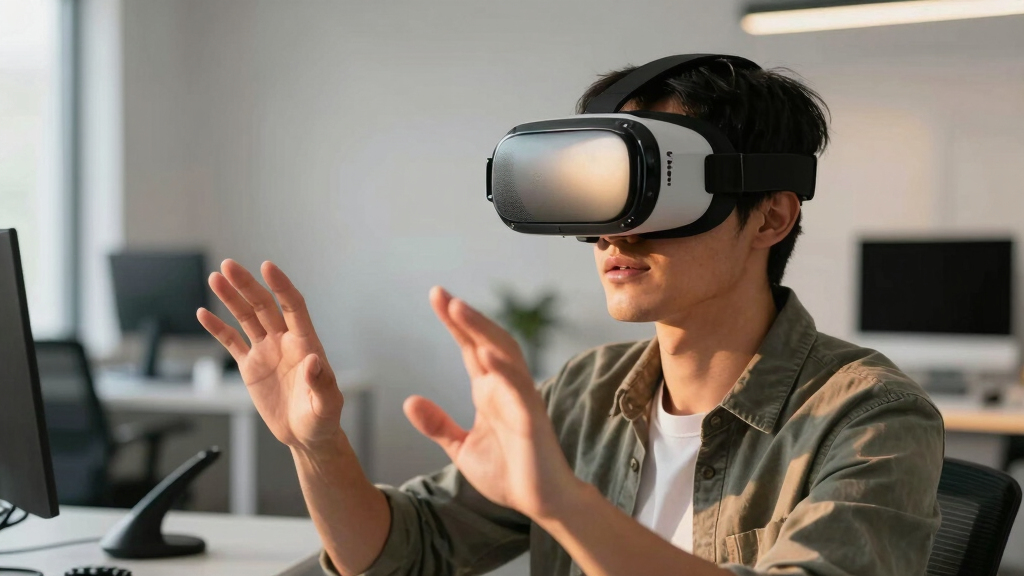
Leading tech companies such as Snap, Meta, and Apple are facing persistent criticism and communication issues as they introduce new innovative hardware products, including AR glasses and mixed reality headsets. Despite technological progress, these launches often attract negative feedback, highlighting the difficulties of bringing innovation to mainstream markets.
Snap’s latest Specs AR glasses have been criticized for their size, price, and lack of clear use cases, despite representing a significant step toward mainstream AR wearables. Critics initially mocked the device’s appearance and cost, with many confusing it with older models or dismissing it as impractical for everyday use. Evan Spiegel and Snap have acknowledged the device’s limitations but emphasize the technological achievement of creating glasses that integrate AR without resembling bulky headsets.
Similarly, Meta has faced backlash over its pursuit of the metaverse, with widespread skepticism and memes undermining its efforts. Mark Zuckerberg has publicly defended Meta’s investments, citing the long-term vision of augmented reality. Apple’s Vision Pro headset, introduced as a new product line, has been praised for its innovation but criticized for comfort issues and high price. The company’s marketing and communication around these products have also been contentious, with critics questioning the clarity of their messaging and target audiences.
These challenges reflect a broader pattern where pioneering companies face intense scrutiny, often compounded by miscommunication and unrealistic consumer expectations. The criticism is not solely about the products’ technical flaws but also about how companies present and position their innovations to the public.
Impact of Criticism on Tech Innovation Progress
This ongoing criticism and communication missteps can hinder the adoption of emerging technologies, slowing down innovation cycles and affecting investor confidence. Despite the technological advancements, negative perceptions may discourage broader consumer engagement and delay the maturation of AR and mixed reality markets. Understanding these challenges is crucial for both industry insiders and consumers to set realistic expectations and foster a more constructive dialogue around technological progress.
AR glasses with camera and microphone
As an affiliate, we earn on qualifying purchases.
As an affiliate, we earn on qualifying purchases.
Historical Challenges in Tech Product Launches
Over the past decade, tech giants have repeatedly faced criticism when launching innovative hardware. Google Glass launched in 2014 faced public backlash due to privacy concerns and its bulky design, earning the nickname “glasshole.” Meta’s early metaverse efforts, including Horizon Worlds, were met with skepticism, partly due to poor communication and unclear use cases. Apple’s Vision Pro, announced recently, continues this pattern of high expectations coupled with technical and comfort limitations, echoing past experiences with pioneering products.
This pattern illustrates how pioneering efforts often attract criticism before market acceptance, especially when communication is misaligned with technological realities.
“Snap glasses are not perfect, and for sure they are not ready for mainstream adoption: they are indeed too big and too pricey. But still, for the current technological moment, they are a very interesting device.”
— Evan Spiegel
mixed reality headset for developers
As an affiliate, we earn on qualifying purchases.
As an affiliate, we earn on qualifying purchases.
Unresolved Challenges in Tech Product Reception
It remains unclear how consumer markets will ultimately respond to these innovations, especially given the mixed reactions to design, price, and utility. The long-term success of products like Snap’s AR glasses and Apple’s Vision Pro depends on overcoming technical limitations and shifting public perceptions, which are still evolving. Additionally, the impact of communication strategies on market acceptance is an ongoing concern, with many questioning whether companies can better align messaging with product realities.
As an affiliate, we earn on qualifying purchases.
Future Developments in AR and XR Technologies
Next steps include continued refinement of hardware design, improved comfort, and clearer marketing efforts from companies like Snap, Meta, and Apple. Market adoption will depend on how effectively these companies address current criticisms and communicate the practical benefits of their products. Industry analysts will closely monitor user feedback and sales performance over the coming months to gauge whether these innovations can break into mainstream markets.
As an affiliate, we earn on qualifying purchases.
Key Questions
Will Snap’s AR glasses become mainstream?
It is uncertain. While Snap has made technological progress, current criticisms about size, price, and utility suggest mainstream adoption may still be years away. Success will depend on further hardware improvements and clearer use case demonstrations.
Why do tech companies face so much criticism when launching new products?
Criticism often stems from high consumer and investor expectations, communication missteps, and the technical limitations of pioneering products. Companies frequently overpromise or misalign messaging, leading to skepticism and negative perceptions.
Are Apple’s Vision Pro and Meta’s metaverse efforts likely to succeed?
Both face significant challenges, including technical limitations and market readiness. Their success will depend on how well they address user comfort, utility, and communication issues, along with broader market acceptance of AR and XR technologies.
What are the main technical hurdles for AR glasses?
Design size and weight, battery life, user comfort, and affordability remain key hurdles. Overcoming these will be critical for mainstream adoption of AR glasses and headsets.
Source: The Ghost Howls
Halloween Picks
halloween
As an affiliate, we earn on qualifying purchases.