
TL;DR
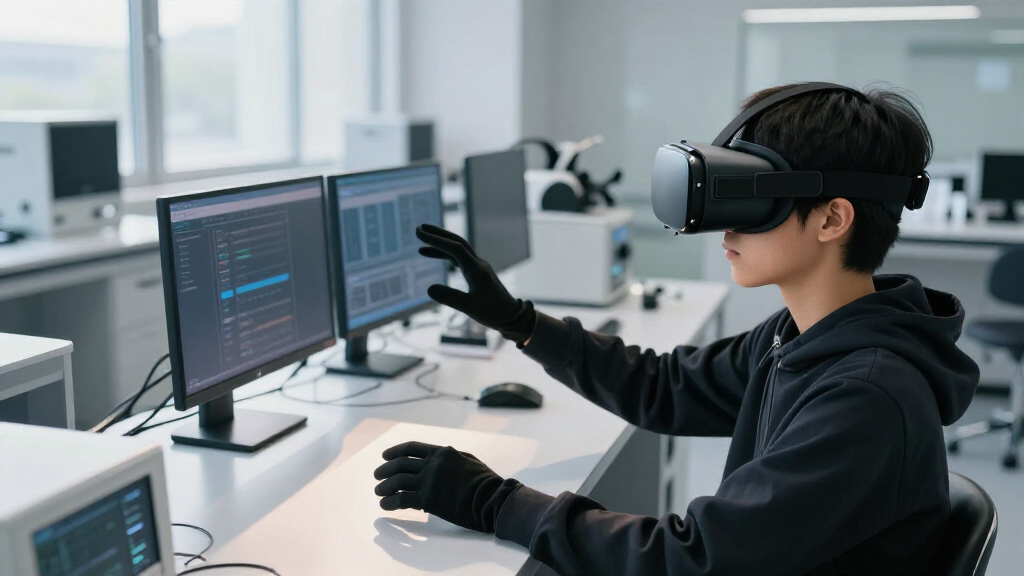
VR Lab’s FAA-funded research program is offering students immersive virtual reality experiences related to aviation safety and operations. This initiative aims to improve training outcomes and prepare students for real-world challenges.
VR Lab’s research funded by the FAA is providing students with vast virtual reality experiences aimed at enhancing aviation safety training. This initiative is part of a broader effort to leverage immersive technology for aviation education, and it is now actively being implemented at several educational institutions, according to recent reports.

Play games on Amazon Luna for your next adventure, included with Prime
- A rotating selection of games, no download needed
- Play on TV, laptop or phone
- Fast, free delivery for your gear, too
According to rss, the VR Lab’s FAA-funded research program is developing and deploying advanced virtual reality simulations for students pursuing careers in aviation. These simulations cover various scenarios, including emergency response, aircraft systems troubleshooting, and flight operations, offering students hands-on experience without physical risks.
The program was launched earlier this year and has already engaged hundreds of students across multiple institutions. An anonymous researcher involved in the project stated that the VR experiences are designed to replicate real-world conditions with high fidelity, aiming to improve decision-making skills and safety awareness among future aviation professionals.
While the research is still in the early phases, initial feedback suggests that students find the VR training engaging and practical, with some reports indicating improved comprehension of complex procedures compared to traditional methods.
Impact of VR Training on Aviation Education
This development matters because it represents a significant shift in how aviation training can be delivered, emphasizing immersive technology to improve safety and operational skills. The program has the potential to reduce training costs, increase accessibility, and better prepare students for real-world challenges. If successful, it could influence future standards and practices across the aviation industry, making safety training more effective and engaging.
Products Worth Considering

LG 27GS60QC-B Ultragear 27-inch Curved Gaming Monitor (QHD, 180Hz, 1ms, 1000R)

Logitech MX Master 4 Ergonomic Wireless Mouse with Haptics – Graphite

Bose QuietComfort Wireless Noise Cancelling Headphones – Petal Pink Limited Edition
As an affiliate, we earn on qualifying purchases.
FAA Support for Virtual Reality in Aviation Training
The Federal Aviation Administration has been actively exploring innovative training methods, including virtual reality, to enhance safety standards and reduce accidents. Previous initiatives have focused on pilot training and emergency response simulations, but recent funding has expanded to include broader student engagement through VR labs. This aligns with a national push toward integrating advanced technology into aviation education, which has gained momentum over the past few years.
VR technology has shown promise in other sectors for reducing training costs and increasing safety, and the FAA’s support underscores its potential in aviation. The VR Lab’s current research is among the most comprehensive efforts to date, aiming to set new benchmarks for training efficacy.
“The simulations are designed to be as realistic as possible, giving students a safe environment to learn complex procedures and emergency responses.”
— an anonymous researcher
Unconfirmed Aspects of VR Lab’s FAA Research
It is not yet clear how widely the VR training will be adopted across the aviation industry or whether it will become a standard component of aviation curricula. Additionally, long-term impacts on safety performance and cost-effectiveness are still under evaluation, and detailed outcome data has not yet been published.
Next Steps for VR Training Development and Evaluation
The VR Lab plans to expand its simulations and gather comprehensive feedback from participants over the coming months. Researchers aim to publish detailed studies on the effectiveness of VR training compared to traditional methods by the end of the year. Meanwhile, the FAA continues to monitor and potentially incorporate successful elements into broader aviation safety protocols.
Key Questions
How does VR training improve aviation safety?
VR training offers immersive, realistic scenarios that help students develop decision-making skills, emergency responses, and procedural knowledge in a safe environment, potentially reducing real-world errors.
Who is funding the VR Lab’s FAA research?
The research is funded by the Federal Aviation Administration as part of its initiative to incorporate advanced technology into aviation safety training.
Will VR training replace traditional methods?
It is too early to say whether VR will fully replace traditional training, but current efforts aim to supplement and enhance existing curricula with immersive experiences.
When will the full results of the research be available?
Researchers plan to publish comprehensive results and evaluations by the end of the year, which will clarify the long-term benefits and potential industry adoption.
Can students access these VR simulations outside of research programs?
Currently, access is limited to participating institutions involved in the research; broader availability depends on future development and industry adoption.
Source: rss