
TL;DR

Smartglasses face rising privacy concerns, with reports of misuse affecting public perception. Meanwhile, Lenovo has laid off its XR division amid shifting market strategies. Luxottica has acquired Lynx’s assets, hinting at future developments in XR technology.

Smartglasses are facing renewed scrutiny over privacy issues, with reports highlighting concerns about misuse and public perception. Lenovo confirmed the layoffs of its XR division in the United States, shifting focus toward consumer AI wearables. Additionally, Luxottica has acquired the liquidated assets of Lynx, indicating ongoing consolidation in the XR sector.

Recent articles from Engadget and The Guardian have raised concerns about the privacy implications of smartglasses like Ray-Ban Meta, citing instances where users have tampered with devices to disable recording indicators. These reports have contributed to a negative reputation, labeling such devices as tools for voyeurism, and have coincided with broader privacy scandals involving Meta, including face recognition and data sharing issues.

Meanwhile, Lenovo has officially confirmed the closure of its XR business division in the U.S., citing a strategic shift toward consumer-focused AI wearables under Motorola. The company aims to create a unified ecosystem of AI-enabled devices, moving away from enterprise AR/VR solutions. This decision follows the cancellation of a Lenovo Horizon OS headset and a general market slowdown in VR adoption.

In another development, Luxottica has acquired the assets of Lynx, a French startup that recently went into judicial liquidation, as part of ongoing XR technology developments. CEO Stan Larroque confirmed that Luxottica now owns Lynx’s technology, with most employees rehired. While the future plans for Lynx’s technology remain unclear, industry insiders suggest Luxottica may be developing new glasses or headsets without Meta’s involvement.

At a glance
reportWhen: developing, week of July 20, 2026
The developmentThis week, reports confirm privacy issues linked to smartglasses, Lenovo announced the closure of its XR division, and Luxottica acquired Lynx’s assets, signaling changes in the XR industry.
The XR Week Peek — July 20, 2026

XR Week Peek / Issue 2026.07.20

Smartglasses meet a privacy problem. XR meets a strategy reset.

Public trust, corporate retrenchment and industry consolidation collided this week: smartglasses drew renewed scrutiny, Lenovo closed its U.S. XR division, and Luxottica acquired the assets of French headset startup Lynx.

Signal 01 / Trust

Recording indicators are under scrutiny

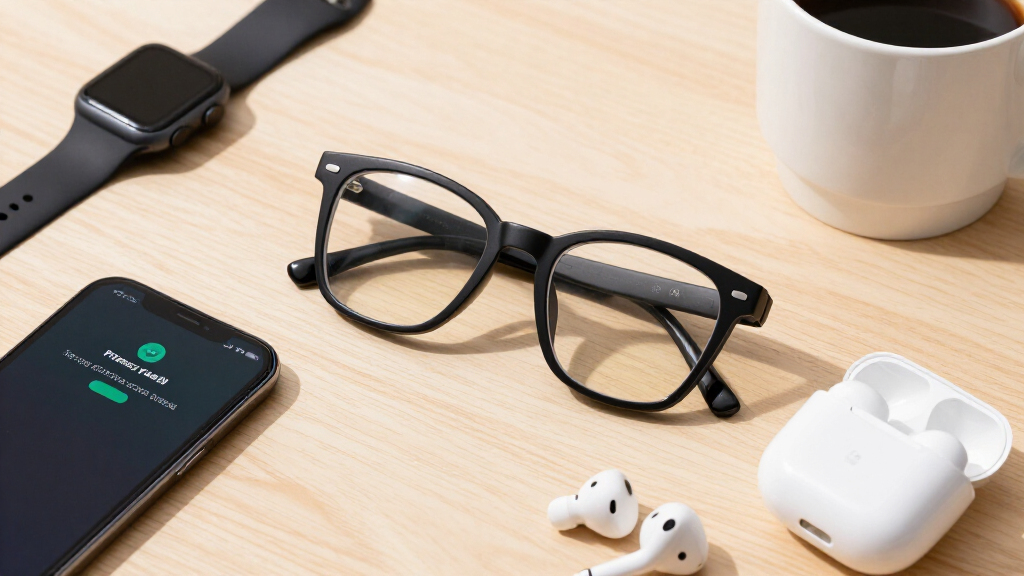
Reports of tampering amplify fears of covert capture and voyeurism.

Signal 02 / Strategy
HPTech (2 Pack) 4 Way 360° Privacy Screen Protector for iPhone 15 Anti-Spy Tempered Glass, Full Coverage, Anti Scratch, Bubble Free, Case Friendly

HPTech (2 Pack) 4 Way 360° Privacy Screen Protector for iPhone 15 Anti-Spy Tempered Glass, Full Coverage, Anti Scratch, Bubble Free, Case Friendly

360-degree Privacy Protection: 4-way Anti-spy Screen Protector for iPhone 15, fully protect your infor, protecting personal privacy in…

As an affiliate, we earn on qualifying purchases.
As an affiliate, we earn on qualifying purchases.
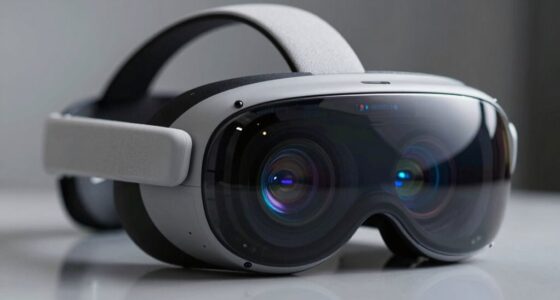
Lenovo exits U.S. enterprise XR

The company is pivoting toward consumer AI wearables under Motorola.

Signal 03 / Consolidation
MLVISION Ultra-Light AR Smart Glasses World's First Clip-On Micro-LED

MLVISION Ultra-Light AR Smart Glasses World's First Clip-On Micro-LED

World's First Clip-On AR Glasses Design: Innovative clip-on structure lets you easily attach the AR display to your…

As an affiliate, we earn on qualifying purchases.
As an affiliate, we earn on qualifying purchases.
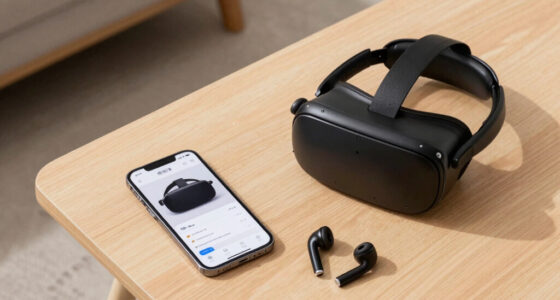
Luxottica acquires Lynx assets

Technology and rehired talent could support future glasses or headsets.

3 Major market signals
1 U.S. XR unit closed
B2C Lenovo’s new focus
TBD Lynx technology roadmap

01 / The week in three moves

HTC Vive SteamVR Base Station 2.0 (Single) – Precision Room-Scale Tracking for PC VR, Black

HTC Vive SteamVR Base Station 2.0 (Single) – Precision Room-Scale Tracking for PC VR, Black

Includes One base station and one power adapter per order

As an affiliate, we earn on qualifying purchases.

As an affiliate, we earn on qualifying purchases.
Trust falls, portfolios shift, valuable technology changes hands.

The stories look separate, but together they reveal an XR market moving away from isolated headsets and toward socially acceptable, AI-enabled wearables.

Privacy pressure

Smartglasses face a social-license test

Coverage of modified Ray-Ban Meta glasses—particularly disabled recording indicators—has intensified concerns about covert filming, face recognition and data sharing.

Adoption depends on visible trust
Corporate pivot

Lenovo closes its U.S. XR division

Following a cancelled Horizon OS headset and slower VR adoption, Lenovo is moving away from enterprise AR/VR and toward a Motorola-led ecosystem of consumer AI wearables.

Enterprise footprint contracts
Asset acquisition

Luxottica absorbs Lynx technology

After Lynx entered judicial liquidation, Luxottica acquired its technology and rehired most employees. The product destination—and Meta’s role—remain unclear.

Hardware optionality expands

02 / The privacy feedback loop

SGUKZF AI Smart Glasses with Camera, 4K EIS Anti-Shake Video & Photo Capture, Real-Time Translation,Open-Ear Bluetooth Audio, Object Recognition, Recording Sunglasses with Photochromic

SGUKZF AI Smart Glasses with Camera, 4K EIS Anti-Shake Video & Photo Capture, Real-Time Translation,Open-Ear Bluetooth Audio, Object Recognition, Recording Sunglasses with Photochromic

【4K EIS Anti-Shake Video Recording & Photo Capture】Smart glasses with camera let you capture your world from a…

As an affiliate, we earn on qualifying purchases.

As an affiliate, we earn on qualifying purchases.

A small hardware workaround can become a large adoption barrier.

Smartglasses succeed only when wearers and bystanders understand when sensing and recording occur. Ambiguity turns a product feature into a public-trust problem.

01

Indicator tampering

Users modify or obscure visible recording signals.

02

Negative coverage

Misuse becomes the dominant public story around the category.

03

Trust erosion

Bystanders become less willing to accept wearable cameras.

04

Policy response

Regulators, venues and employers consider stricter controls.

03 / Strategic comparison

Three developments, three different kinds of market risk.

The week’s news spans social acceptance, portfolio strategy and technology ownership. The common thread is uncertainty over what the next mainstream XR device should become.

Development Immediate signal Primary opportunity Primary risk Visibility
Smartglasses Public perception deteriorates Privacy-first hardware and clearer consent cues Restrictions, bans or slower consumer adoption High Consumer-facing
Lenovo ~Enterprise XR activity contracts Unified Motorola AI-wearable ecosystem Loss of enterprise momentum and expertise Medium Strategic
Luxottica + Lynx Technology and talent retained New glasses or headsets beyond current partnerships Unclear roadmap and integration path Medium Developing

Directional pressure map

Privacy scrutiny
High
AI-wearable pivot
Rising
Enterprise VR
Soft
Consolidation
Active

Qualitative editorial assessment based on the reported developments; values indicate direction, not measured market share.

Regulatory outlook

Elevated uncertainty

No definitive ban or new legal regime has been announced. Continued misuse could push smartglasses toward stricter privacy standards, mandatory recording signals or venue-specific restrictions.

04 / What industry leaders said

The language of transition—and unfinished plans.

“We are transitioning to a more consumer-focused approach within Motorola.”

Lenovo spokesperson / AI-enabled wearables strategy

05 / Questions shaping the next move

What the XR market still needs to answer.

Will privacy concerns trigger regulation?

Possibly. Growing public concern could produce new recording standards, consent requirements or location-based restrictions.

What happens to Lenovo’s enterprise XR role?

Its B2B presence is likely to shrink as resources move toward consumer AI wearables and a broader Motorola device ecosystem.

Where will Lynx technology reappear?

The roadmap is unresolved, but industry speculation points to future Luxottica glasses or headsets, potentially without Meta.

Can safeguards restore consumer confidence?

Stronger hardware indicators, tamper resistance, clearer controls and enforceable privacy practices could reduce adoption friction.

06 / Traceability chain

How this week’s signals connect.

👓

Always-on hardware

Cameras and AI move into everyday eyewear.

🔒

Privacy pressure

Bystanders demand clearer signals and control.

Strategy pivot

Companies prioritize consumer AI wearables.

Consolidation

Technology and talent migrate to larger players.

New category

XR, eyewear and personal AI converge.

07 / What to watch next

Privacy safeguards may become product features—not compliance footnotes.

01

Hardware: More visible, tamper-resistant recording indicators and physical privacy controls.

02

Policy: Investigations, venue rules and possible standards governing wearable capture.

03

Products: Motorola’s consumer AI-wearable roadmap and Luxottica’s plans for Lynx technology.

04

Adoption: Whether utility can outpace the social discomfort created by covert-recording fears.

Impact of Privacy Concerns on Smartglasses Adoption

The increased attention to privacy issues could influence consumer trust and regulatory approaches toward smartglasses. If misuse continues to be reported, it may lead to stricter regulations or bans, similar to the backlash experienced by Google Glass. Conversely, acceptance of these devices may grow if privacy fears are mitigated, shaping the future of wearable AR technology and its integration into daily life.

Recent Trends in XR Industry and Market Shifts

The XR industry has experienced rapid growth, with major tech companies investing heavily in AR and VR devices. However, privacy scandals and market saturation have led to increased scrutiny and strategic realignments. Lenovo’s exit from B2B XR and Luxottica’s acquisition of Lynx assets reflect broader industry consolidation and a pivot toward consumer-oriented AI wearables. These developments come amid a backdrop of fluctuating consumer interest and regulatory pressures.

“As the XR market evolves, we see stronger momentum and broader consumer adoption around AI-enabled wearables. We are transitioning to a more consumer-focused approach within Motorola.”

— Lenovo spokesperson

Unclear Future of Smartglasses Privacy Regulation

It is still uncertain how regulatory bodies will respond to the privacy concerns associated with smartglasses. While public backlash is growing, no definitive legal actions or bans have been announced yet. The industry’s response and consumer acceptance will significantly influence future policies and device designs.

Next Steps for Industry and Consumer Adoption

Further investigations into privacy practices and potential regulatory measures are expected. Companies may implement new privacy safeguards or hardware modifications to address concerns. Additionally, industry insiders anticipate more announcements about new consumer wearables from Luxottica and other players, as the XR market continues to evolve.

Key Questions

Will privacy concerns lead to stricter regulations on smartglasses?

It is possible, as growing public concern and scandals could prompt regulators to impose new privacy standards or bans, similar to past tech device restrictions.

What does Lenovo’s shift mean for enterprise XR solutions?

Lenovo is moving away from B2B XR devices, focusing instead on consumer AI wearables, which may slow enterprise AR/VR development from the company but expand consumer options.

What are Luxottica’s plans for Lynx’s technology?

While specific plans are not yet clear, industry sources suggest Luxottica may develop new glasses or headsets, possibly without Meta’s involvement, as part of their future product lineup.

Could the privacy issues affect the sales of smartglasses?

Yes, ongoing privacy scandals and negative media coverage could reduce consumer confidence and slow sales unless significant privacy safeguards are introduced.

How might the industry address misuse of smartglasses in the future?

Potential solutions include hardware modifications to disable recording, improved privacy controls, and stricter regulations to prevent misuse and protect user rights.

Source: The Ghost Howls

You May Also Like

I don’t care if my favorite Amazon Prime Day VR deal isn’t really a deal — the Meta Quest 3S is an excellent headset and I don’t see it getting cheaper than it is today in 2026

A user states they don’t mind that the Meta Quest 3S isn’t a discounted deal during Prime Day, citing its value in 2026. The headset remains highly regarded.

The Future Of VR: Meta’s Advanced Sensing Glasses — Innovation Or Privacy Concerns?

Meta is developing advanced sensing glasses with AI capabilities, raising questions about privacy and technological impact. Development is ongoing.

Pancake Vs Fresnel Lenses: What the Names Actually Mean

Just understanding the origins of “pancake” and “Fresnel” lenses reveals how their names reflect unique shapes and functions, shaping their performance—continue reading to uncover how.

The Real Meaning of ‘Presence’ in VR

Fascinated by how VR tricks your brain into feeling truly present? Discover the secrets behind achieving genuine presence in virtual reality.