
TL;DR

Play games on Amazon Luna for your next adventure, included with Prime
- A rotating selection of games, no download needed
- Play on TV, laptop or phone
- Fast, free delivery for your gear, too
Meta has officially revealed Project Phoenix, a lightweight, open-periphery mixed reality headset with a tethered compute puck, expected in 2027. This device emphasizes comfort and portability over traditional high-end features. The development signals a shift in Meta’s VR strategy toward wearable comfort and mixed reality applications.
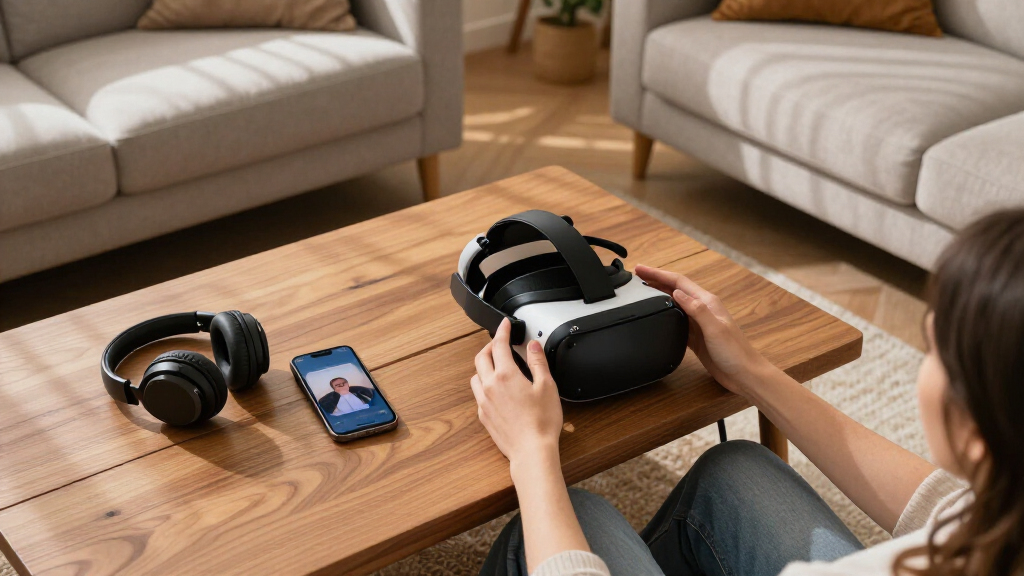
Meta has officially unveiled Project Phoenix, an ultralight, mixed reality headset designed to be worn comfortably for extended periods. First (Low Quality Icon) Images Of Meta’s Project Phoenix (Loma) Found In Firmware! The device features a tethered compute and battery puck, marking a significant departure from traditional all-in-one VR headsets. This development underscores Meta’s focus on prioritizing wearability and user comfort over high-end specifications, with a planned release date in 2027.
Multiple sources, including UploadVR and The Wall Street Journal, confirm that Meta’s Project Phoenix is an ultralight, open-periphery headset that relies on a tethered compute puck for processing and power. This approach allows the headset itself to weigh less than 110 grams, similar to earlier prototypes like Puffin, which used pancake lenses and passthrough cameras. The device is expected to run Meta’s Horizon OS, emphasizing virtual screens for productivity, entertainment, and mixed reality applications.
Meta’s strategy reflects a shift away from the canceled Quest Pro 2 and Vision Pro competitors, focusing instead on a more wearable, comfortable form factor. The device’s design aims to balance mixed reality capabilities with seated, productivity-oriented use cases, making it suitable for extended wear. The development timeline indicates a possible launch in 2027, with a separate traditional Quest model potentially arriving no earlier than 2027 as well.
Implications of Meta’s Focus on Comfort and Portability
This development signals a strategic shift for Meta towards prioritizing wearability and user comfort in its VR and mixed reality devices. By focusing on an ultralight design with external processing, Meta aims to make extended use more practical, potentially broadening adoption among users who find current headsets too bulky or uncomfortable. This could influence future headset designs industry-wide, emphasizing lightweight, modular approaches for mixed reality applications, especially in productivity and enterprise sectors.
lightweight VR headset accessories
As an affiliate, we earn on qualifying purchases.
As an affiliate, we earn on qualifying purchases.
Meta’s Evolving VR Strategy and Past Cancellations
Meta initially planned a more traditional high-end VR headset to succeed Quest Pro, but concerns over costs, especially micro-OLED display expenses, led to the cancellation of the Quest Pro 2 and Vision Pro-like models in 2024. Instead, Meta shifted focus toward developing a lightweight, open-periphery headset with external processing, codenamed Puffin and later Phoenix. The company’s emphasis on comfort was reinforced by CTO Andrew Bosworth’s public statements, highlighting a strategic move away from feature-heavy headsets toward wearable comfort and mixed reality integration.
Previous reports from July 2024 indicated plans for a Quest 4 with both Eye and Face Tracking, but these models were canceled or internalized, leaving the ultralight headset as the primary focus. The device’s development has been confirmed through multiple leaks, datamined app listings, and reports from reputable sources like The Information and The Wall Street Journal.
“I think lightness is premium on the headset. It’s more important than a lot of other features. Instead of taking the wins from each generation and pouring it into more features, you can take those wins and pour it into lightness and smallness.”
— Meta CTO Andrew Bosworth
mixed reality headset tethered compute puck
As an affiliate, we earn on qualifying purchases.
As an affiliate, we earn on qualifying purchases.
Remaining Questions About Device Capabilities and Market Impact
Details about the final hardware specifications, user interface, and software features of Project Phoenix remain unconfirmed. It is unclear how the device will perform relative to current high-end headsets, or how it will be priced once released. Furthermore, the broader market response to Meta’s focus on lightweight, tethered headsets versus all-in-one designs is still uncertain, as is the extent of its adoption in enterprise or consumer sectors.
As an affiliate, we earn on qualifying purchases.
Next Steps for Meta and Industry Expectations
Meta is expected to continue development and testing of Project Phoenix prototypes, with official announcements possibly coming closer to the 2026-2027 timeframe. The company may also reveal more about software capabilities, user experience, and pricing strategies at upcoming industry events or dedicated product launches. Industry analysts will be watching how Meta’s approach influences headset design trends and market competition in the mixed reality space.
As an affiliate, we earn on qualifying purchases.
Key Questions
When is Meta planning to release Project Phoenix?
Meta aims to release the device in 2027, with development and testing ongoing through 2026.
How does Project Phoenix differ from existing VR headsets?
It emphasizes ultralight design with a tethered compute puck, focusing on comfort and mixed reality applications rather than high-end specs or all-in-one hardware.
Will Project Phoenix support hand and eye tracking?
While earlier prototypes suggested support for eye and face tracking, it is not yet confirmed whether these features will be included in the final product.
What is the significance of the tethered puck?
The external compute and power puck reduces the headset weight significantly, enabling a more comfortable and portable design for extended use in mixed reality environments.
Could this device replace traditional Quest headsets?
It is unlikely to replace all-in-one Quest headsets immediately; instead, it represents a new category focused on comfort, mixed reality, and seated use cases, possibly complementing existing devices.
Source: UploadVR
Columbus Day / Indigenous Peoples' Day Picks
long weekend sales
As an affiliate, we earn on qualifying purchases.