
TL;DR
Augmented reality display shipments are projected to surpass virtual reality devices in the near future, driven by the development of lighter, more comfortable smartglasses. This shift signals a significant change in the wearable tech market, with AR gaining ground over VR.
Augmented reality display shipments are on track to surpass virtual reality device shipments within the next year, according to recent industry analysis. This shift is driven by the ongoing trend of making smartglasses lighter and more comfortable, which is expanding their adoption beyond niche markets to mainstream consumers. The development is significant for the wearable tech sector, indicating a potential reorientation of consumer and enterprise AR applications.
Industry reports from market research firms indicate that AR display shipments are expected to exceed VR shipments by late 2024 or early 2025. The primary driver behind this trend is the ongoing innovation in smartglasses design, particularly focusing on reducing weight and bulk. Companies such as Apple, Google, and smaller startups are investing heavily in lighter AR hardware, aiming to improve comfort and usability for extended wear.
Current AR devices, including Microsoft HoloLens 2 and Magic Leap, are relatively bulky compared to upcoming models. Learn more about AR display shipment trends. The trend toward lighter, sleeker designs is making AR more appealing for daily use, both for consumers and enterprise users. Meanwhile, VR headsets remain heavier and more immersive, but their weight and discomfort have limited prolonged use, especially in casual settings.
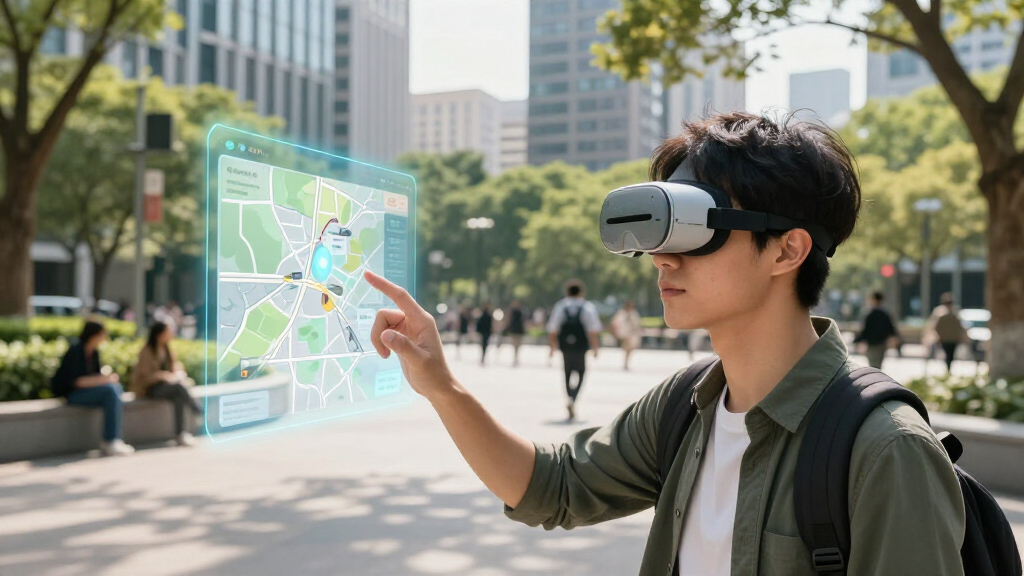
Analysts suggest that as smartglasses become lighter, their applications will expand into areas like navigation, remote assistance, and health monitoring, further fueling shipment growth. The shift could also influence the competitive landscape, with traditional VR-focused companies needing to adapt to the rising AR market.
Implications for the Wearable Tech Market
This development indicates a potential market shift where AR devices could become the dominant form of smartglasses in the coming years. As lighter, more comfortable AR hardware becomes available, it is likely to see broader adoption among consumers and enterprises alike. This could reshape the competitive landscape, with AR gaining priority over VR in the wearable segment.
For consumers, the trend promises more practical, everyday wearable devices that blend seamlessly into daily life. For industries such as manufacturing, healthcare, and logistics, lighter AR glasses could enhance productivity and safety, making AR a staple tool rather than a specialized niche.
Investors and manufacturers are watching these developments closely, as the success of lighter AR glasses could influence future R&D priorities and market strategies.
As an affiliate, we earn on qualifying purchases.
Market Trends and Technological Advances in Smartglasses
Over the past few years, the wearable tech industry has seen a gradual shift from bulky VR headsets to more streamlined AR glasses. Major players like Apple and Google have announced or launched prototypes emphasizing lighter, more ergonomic designs. The focus on reducing weight stems from user feedback and the desire to enable longer wear times without discomfort.
Historically, VR headsets have prioritized immersive experience through heavier hardware, including large displays and extensive sensors, which contributed to their bulkiness. Conversely, AR glasses aim to overlay digital information onto the real world, requiring different hardware configurations that are increasingly being miniaturized.
Recent innovations in display technology, such as microLED and waveguide optics, have contributed to this trend. These advances allow for thinner, lighter displays with improved brightness and clarity, making AR glasses more practical for everyday use. Industry insiders suggest that upcoming models will focus heavily on user comfort and battery efficiency, further supporting the shift toward lighter devices.
As an affiliate, we earn on qualifying purchases.
Uncertainties in Market Adoption and Technology Development
While projections indicate that AR shipments will overtake VR, it is not yet certain how quickly this transition will occur or how consumer preferences will evolve. Some industry experts caution that technological challenges, such as battery life and display quality, could slow the adoption of lighter AR devices. Additionally, the competitive landscape remains fluid, with new entrants and innovations potentially altering market trajectories.
Furthermore, the impact of regulatory and privacy concerns on AR device deployment is still emerging, which could influence adoption rates in different regions.
comfortable augmented reality glasses
As an affiliate, we earn on qualifying purchases.
As an affiliate, we earn on qualifying purchases.
Future Developments and Industry Milestones
Industry analysts expect to see several major product launches in 2024, featuring lighter, more comfortable AR glasses. These devices are likely to undergo real-world testing and user feedback cycles, shaping future iterations. Market forecasts suggest that by mid-2025, AR shipments could constitute the majority of smartglasses sales.
Investors and manufacturers will closely monitor sales figures, user adoption rates, and technological advancements. Regulatory developments and partnerships between hardware makers and content providers will also influence how quickly lighter AR glasses gain widespread acceptance.
As an affiliate, we earn on qualifying purchases.
Key Questions
Why are lighter AR glasses important?
Lighter AR glasses are more comfortable for extended wear, increasing their practicality for daily use and broadening their appeal beyond niche markets.
How will lighter AR devices impact the VR market?
As AR devices become lighter and more user-friendly, they are expected to surpass VR in shipment volume and possibly replace VR headsets in many applications.
What technological advances are enabling lighter AR glasses?
Developments in microLED displays, waveguide optics, and miniaturized sensors are key factors allowing for lighter, thinner AR hardware.
When can we expect AR to become mainstream?
Industry projections suggest that by 2025, lighter and more affordable AR glasses could see widespread adoption in both consumer and enterprise markets.
Are there any risks that could slow this market shift?
Technological challenges such as limited battery life, display quality issues, and regulatory concerns could delay or limit the growth of lighter AR glasses.
Source: rss