VR gaming demands powerful processors that can handle high frame rates and demanding graphics without bottlenecking your experience. For 2026, the leading contenders include the Intel Core i7-14700K, known for its massive core count and versatility; the AMD Ryzen 7 9800X3D, celebrated for its gaming-optimized cache and Zen5 architecture; and the AMD Ryzen 5 5600X, a more budget-friendly option that still packs a punch. Each offers different strengths and tradeoffs, from raw performance to compatibility and price, which makes choosing the right one crucial for immersive VR experiences.

Get VR and gaming gear delivered free — and shop member deals
- Fast, free delivery on millions of items
- Access to Prime Big Deal Days deals on October 6–7
- Prime Video, Amazon Music and more included
Key Takeaways
- The Intel Core i7-14700K offers the highest core count and integrated graphics, ideal for multitasking and high-end VR setups.
- The AMD Ryzen 7 9800X3D excels in gaming performance thanks to its large cache and Zen5 technology, making it a top choice for dedicated gamers.
- The AMD Ryzen 5 5600X provides excellent value with solid performance at a lower price point, suitable for entry-level VR systems.
- High-end options like the Ryzen 7 5800X3D and Intel i7-14700K require compatible motherboards and cooling solutions, adding to the overall cost.
- Choosing between these CPUs depends heavily on your budget, system compatibility, and whether you prioritize raw power or efficient gaming performance.
| Intel Core i7-14700K Desktop Processor with 20 Cores and Integrated Graphics | 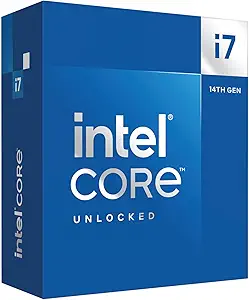 | Best Overall for VR Power and Versatility | Processor Series: Core i7 | Processor Speed: up to 5.6 GHz | Processor Socket: LGA 771 | VIEW ON AMAZON | See Our Full Breakdown |
| AMD Ryzen 7 9800X3D 8-Core, 16-Thread Desktop Processor |  | Best for Gaming Performance in VR | Cores: 8 | Threads: 16 | Cache: 96MB L3 | VIEW ON AMAZON | See Our Full Breakdown |
| AMD Ryzen 5 5600X 6-core, 12-thread Desktop Processor |  | Best Budget-Friendly Choice for VR | Cores: 6 | Threads: 12 | Max Boost Clock: 4.6 GHz | VIEW ON AMAZON | See Our Full Breakdown |
| AMD Ryzen 5 9600X 6-Core Desktop Processor |  | Best for High-Performance Gaming with PCIe 5.0 | Cores: 6 | Threads: 12 | Max Boost Frequency: 5.4 GHz | VIEW ON AMAZON | See Our Full Breakdown |
| AMD Ryzen 7 5800X3D 8-core, 16-Thread Desktop Processor with AMD 3D V-Cache Technology |  | Best for Gaming with Advanced Cache Technology | Cores: 8 | Threads: 16 | Max Boost Frequency: 4.5 GHz | VIEW ON AMAZON | See Our Full Breakdown |
| processor for vr gaming | Threads | Cores | Cache |
|---|---|---|---|
| Intel Core i7-14700K Desktop P | 28 | — | — |
| AMD Ryzen 7 9800X3D 8-Core | 16 | 8 | 96MB L3 |
| AMD Ryzen 5 5600X 6-core | 12 | 6 | 35 MB |
| AMD Ryzen 5 9600X 6-Core Deskt | 12 | 6 | 38 MB |
| AMD Ryzen 7 5800X3D 8-core | 16 | 8 | 100 MB |
More Details on Our Top Picks
Intel Core i7-14700K Desktop Processor with 20 Cores and Integrated Graphics
The Intel Core i7-14700K stands out for its extraordinary core and thread count—20 cores in total—making it ideal for demanding VR experiences that require multitasking alongside gaming. Its maximum turbo frequency of 5.6 GHz ensures smooth frame rates, while integrated Intel UHD Graphics 770 offers decent graphics without a dedicated GPU, which can be helpful for troubleshooting or light gaming. Compared with AMD options, it provides better overall performance for multitasking and productivity, but it does come with higher power consumption at 125W and requires a compatible motherboard with BIOS updates. Its high price and lack of bundled cooling make it less appealing for budget-conscious builders.
Pros:- Massive core and thread count for demanding applications
- Supports both DDR4 and DDR5 memory for future-proofing
- Includes integrated graphics for versatile use
Cons:- High power consumption (125W)
- Requires an expensive, compatible motherboard with BIOS update
- No bundled cooling solution
Best for: High-end VR enthusiasts needing maximum power and multitasking capability
Not ideal for: Budget builders or those who prefer integrated graphics without additional investment
- Processor Series:Core i7
- Processor Speed:up to 5.6 GHz
- Processor Socket:LGA 771
- Cache Memory:33 MB
- Wattage:125 watts
- Processor Cores:20
- Threads:28
Our verdict“Best suited for users who want the ultimate in VR processing power and multitasking, regardless of cost.”
AMD Ryzen 7 9800X3D 8-Core, 16-Thread Desktop Processor
The AMD Ryzen 7 9800X3D is built with gaming in mind, featuring Zen5 architecture and AMD’s innovative 3D V-Cache technology. Its 8 cores and 16 threads, combined with a 96MB L3 cache, deliver exceptional gaming performance, especially in VR titles that leverage large caches for smoother rendering. It clocks up to 5.2 GHz, making it a dedicated gamer’s choice. However, it requires an AM5 motherboard, and cooling isn’t included, so you’ll need to budget for a compatible cooler. Compared to Intel’s offerings, it may lack some multitasking prowess but excels in single-threaded and gaming workloads.
Pros:- Excellent gaming performance thanks to large cache
- Supports high clock speeds up to 5.2 GHz
- Built on the latest Zen5 architecture
Cons:- Requires a new AM5 motherboard
- No integrated graphics included
- Cooler not included
Best for: VR gamers focused on pixel-perfect, high-FPS experiences
Not ideal for: Users wanting a CPU with integrated graphics or multitasking capabilities outside gaming
- Cores:8
- Threads:16
- Cache:96MB L3
- Base Clock:up to 5.2GHz
- Socket:AM5
Our verdict“Ideal for gamers prioritizing VR performance with the latest Zen5 tech, but less suited for multitasking or productivity tasks.”
AMD Ryzen 5 5600X 6-core, 12-thread Desktop Processor
The AMD Ryzen 5 5600X offers a compelling mix of performance and affordability. Its 6 cores and 12 threads are more than capable of handling VR games and multitasking, especially when paired with a good GPU. Its max boost clock of 4.6 GHz is sufficient for most VR scenarios, and it comes with a Wraith Stealth cooler, reducing overall build costs. This CPU is best paired with a motherboard supporting PCIe 4.0, making it ideal for those who want a solid VR setup without breaking the bank. Its main downside is the lack of integrated graphics, so a dedicated GPU is necessary.
Pros:- Good performance for gaming and multitasking
- Unlocked for overclocking
- Includes a quiet, capable cooler
Cons:- No integrated graphics
- Requires compatible motherboard with PCIe 4.0 support
- Limited future-proofing compared to higher-end CPUs
Best for: Entry-level to mid-range VR gamers seeking good performance at a lower price
Not ideal for: High-end VR setups or users wanting integrated graphics for troubleshooting
- Cores:6
- Threads:12
- Max Boost Clock:4.6 GHz
- Cache:35 MB
- Socket:AM4
Our verdict“A sensible choice for budget-conscious gamers aiming for solid VR performance without extra frills.”
AMD Ryzen 5 9600X 6-Core Desktop Processor
The AMD Ryzen 5 9600X pushes the envelope with a 5.4 GHz boost clock and support for DDR5-5600 memory, making it well-suited for VR setups that want cutting-edge features. Its 6 cores and 12 threads provide a balance of gaming and multitasking power, and the unlocked multiplier makes overclocking feasible. It supports PCIe 5.0 on compatible motherboards, offering faster graphics and storage options. The tradeoff is that it doesn’t include a cooler, so users will need to invest in a high-performance cooling solution, and it requires a future-proof motherboard, adding to its overall cost.
Pros:- Excellent gaming performance with high clock speeds
- Supports DDR5-5600 and PCIe 5.0 for future upgrades
- Unlocked for overclocking
Cons:- No included cooler, higher overall cost
- Requires a newer motherboard with PCIe 5.0 support
- Higher price than older Ryzen models
Best for: VR users seeking high FPS with the latest memory and PCIe standards
Not ideal for: Those on tighter budgets or who prefer AMD’s AM4 platform
- Cores:6
- Threads:12
- Max Boost Frequency:5.4 GHz
- Cache:38 MB
- Memory Support:DDR5-5600
Our verdict“Best for enthusiasts who want the latest tech for VR, but at a premium cost.”
AMD Ryzen 7 5800X3D 8-core, 16-Thread Desktop Processor with AMD 3D V-Cache Technology
The Ryzen 7 5800X3D leverages AMD’s innovative 3D V-Cache to deliver exceptional gaming performance, especially in VR where high frame rates matter. Its 8 cores and 16 threads, combined with a large 100 MB cache, provide a noticeable boost in pixel rendering and responsiveness. It supports PCIe 4.0 and DDR4 memory, making it compatible with a broad range of existing setups. While it requires a high-performance cooler and a compatible X570 or B550 motherboard, it offers a compelling balance of gaming power and cost, especially for users who prioritize VR gaming excellence.
Pros:- Outstanding gaming performance due to large cache
- Supports PCIe 4.0 for fast graphics and storage
- Unlocked for overclocking
Cons:- No included cooler, cooler must be purchased separately
- Higher price than standard Ryzen 7 5800X
- Requires compatible, often more expensive motherboard
Best for: Dedicated gamers wanting the best cache-driven VR experience
Not ideal for: Users needing integrated graphics or on a strict budget
- Cores:8
- Threads:16
- Max Boost Frequency:4.5 GHz
- Cache:100 MB
- Memory Support:DDR4-3200
Our verdict“Perfect for VR gamers who want maximum cache benefits and high FPS, with some extra setup cost.”

How We Picked
Our selection process focused on the processors’ ability to handle VR gaming’s high demands for frame rate, latency, and multitasking. We prioritized CPUs with high core counts, fast clock speeds, and support for the latest memory and PCIe standards. Compatibility with current gaming hardware ecosystems, including motherboard and cooling options, was also a key factor. We avoided outdated or underpowered options, favoring processors that balance gaming performance with future-proof features and value for money.
Factors to Consider When Choosing Processor For Vr Gaming
Choosing the right processor for VR gaming in 2026 means balancing raw power, future-proof features, and budget. The key is to consider your current system compatibility, whether you prioritize high frame rates, multitasking, or a combination of both. High core counts like those in the Intel Core i7-14700K provide maximum multitasking, but at a higher cost and power draw. AMD’s Ryzen 7 9800X3D and Ryzen 7 5800X3D excel in gaming, thanks to their large caches and advanced architectures. Meanwhile, budget options like the Ryzen 5 5600X still deliver excellent VR performance if paired with a capable GPU. Keep in mind that high-end CPUs typically require newer motherboards and cooling solutions, which can add to the overall investment.
Core Count and Clock Speed
For VR, high core counts can help with multitasking and smooth streaming of complex scenes, but high clock speeds are equally vital for rendering fast, fluid visuals. The Intel Core i7-14700K offers both, making it suitable for demanding setups, while AMD’s Ryzen 5 5600X focuses more on clock speed and efficiency for a lower price. Consider your VR titles’ demands and whether multitasking (streaming, recording) is part of your setup when choosing a CPU.
Architecture and Cache
Modern architectures like AMD’s Zen5 or Intel’s latest cores deliver better performance per watt, which is important for VR. Large caches, such as AMD’s 96MB or 100MB in the 5800X3D, significantly improve gaming responsiveness. For VR, caching reduces latency and stuttering, making large cache processors more appealing, though they often come at a premium.
Compatibility and Future-Proofing
High-end CPUs often require newer motherboards supporting PCIe 5.0 or DDR5, which can increase costs. If you plan to upgrade your VR system over the next few years, investing in future-proof features makes sense. Conversely, if you want a quick upgrade, choosing a compatible CPU with an existing motherboard might be more economical.
Cooling and Power
High-performance CPUs like the Intel Core i7-14700K and Ryzen 9 series demand robust cooling solutions and power supplies. Budget CPUs such as the Ryzen 5 5600X come with stock coolers and lower power requirements, simplifying builds. Always factor in cooling costs, especially if overclocking or pushing your system for maximum VR performance.
Frequently Asked Questions
Do I need an overclockable CPU for VR gaming?
While overclocking can boost frame rates and responsiveness in VR, it is not strictly necessary for a good experience. Many modern CPUs with high stock clocks can handle VR comfortably. Overclocking provides extra headroom if your system cooling and power supply support it, but a stable, high-quality CPU at stock settings often suffices for most users.
Is integrated graphics important for VR processors?
Integrated graphics are generally not critical for VR, as most VR setups require a dedicated GPU for rendering. However, having integrated graphics can be useful for troubleshooting or initial setup, especially if your dedicated GPU has issues. For most VR gaming, focus on a CPU with strong processing capabilities paired with a good GPU.
Should I prioritize core count or clock speed for VR?
Both matter, but the balance depends on your specific VR titles and multitasking needs. High core counts benefit multitasking and streaming, while high clock speeds improve single-threaded performance, which many VR applications rely on. For most high-end VR, a processor with both high cores and high clocks, like the Intel Core i7-14700K, offers the best experience.
Are newer AMD CPUs with DDR5 and PCIe 5.0 worth it for VR?
Upgrading to newer AMD CPUs with DDR5 and PCIe 5.0 can future-proof your VR setup, allowing faster graphics cards and storage options. However, they tend to be more expensive and require compatible motherboards, which may not be necessary if your current system already meets your performance needs. If you plan significant upgrades or want the latest features, they are worth considering.
How does cache size impact VR gaming performance?
Cache size directly influences rendering responsiveness and stuttering in VR. Larger caches, like AMD’s 96MB or 100MB, store more data close to the processor cores, reducing latency and improving frame rates during demanding scenes. This makes large-cache CPUs highly desirable for VR, especially in fast-paced, graphics-intensive titles.
Conclusion
If you are a high-end VR enthusiast seeking maximum performance and multitasking ability, the Intel Core i7-14700K is the best choice despite its higher cost and power needs. For dedicated gamers focused on VR performance with a preference for AMD, the Ryzen 7 9800X3D delivers excellent gaming benchmarks thanks to its large cache and Zen5 architecture. Budget-conscious builders or those new to VR should consider the Ryzen 5 5600X, which offers great performance at a more accessible price point. For future-proofing VR setups and those willing to invest in top-tier features, the Ryzen 5 9600X with DDR5 and PCIe 5.0 support is compelling, provided the system is compatible.”
Halloween Picks
halloween
As an affiliate, we earn on qualifying purchases.