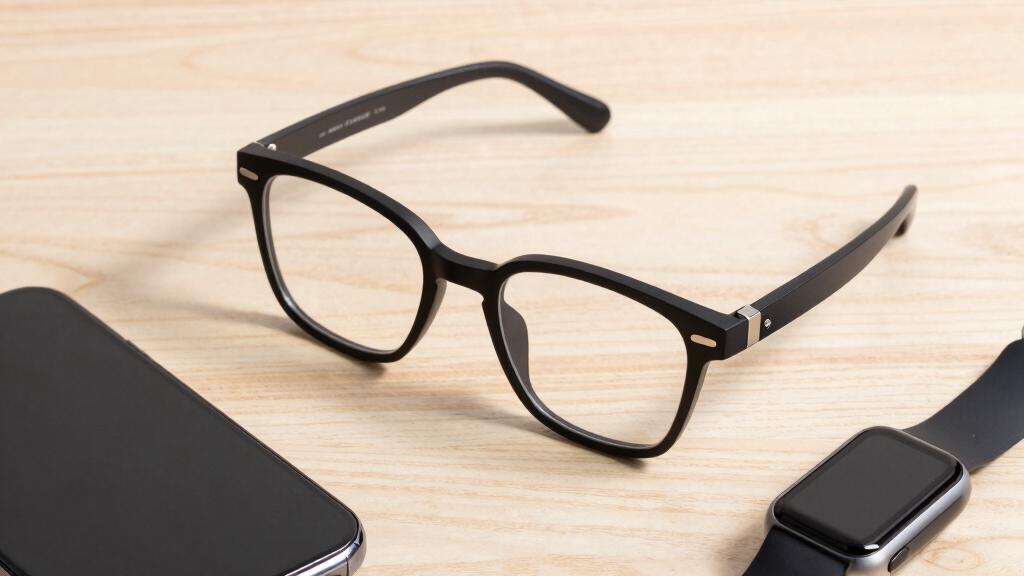

The best smart glasses for most buyers are the Meta Ray-Ban Gen 2 Skyler because they balance strong camera quality, longer battery life, polished styling, and everyday AI features better than the rest of this lineup. The Ray-Ban Meta Gen 2 Wayfarer is the better pick for buyers who want the most familiar frame shape, while the Meta Oakley HSTN makes more sense for sportier wear and a bolder fit. Cheaper 4K AI glasses promise sharper video and translation features, but they usually ask buyers to accept less proven software, less refined audio, and less brand-backed support. The main tradeoff is between reliable everyday wearability and spec-sheet ambition. Keep reading for the full breakdown of which pair fits each buyer type.

Play games on Amazon Luna for your next adventure, included with Prime
- A rotating selection of games, no download needed
- Play on TV, laptop or phone
- Fast, free delivery for your gear, too
Key Takeaways
- Meta Ray-Ban Gen 2 Skyler earns the top spot because it combines AI, camera, audio, battery life, and style with fewer compromises than the lesser-known 4K options.
- Ray-Ban Meta Gen 2 Wayfarer is the safest choice for buyers who care about a classic glasses shape as much as smart features.
- Meta Oakley HSTN stands apart as the sportiest pick, but its stronger style may feel less flexible for office or dressier use.
- Gen 1 Ray-Ban Meta models still make sense when discounted, though shorter battery life and older capture specs make them harder to recommend at full price.
- Budget AI glasses advertise translation, object recognition, and 4K capture, but the comparison favors proven app support and wearable comfort over raw specs.
| Osawalla M02 AI Smart Glasses with Camera |  | Best Budget AI Feature Set | Camera: 8MP | Video: 1080p with anti-shake algorithm | Storage: 32GB | VIEW LATEST PRICE | See Our Full Breakdown |
| Meta Ray-Ban Gen 2 Skyler Smart AI Glasses |  | Best Overall | Camera: 12MP ultra-wide | Video: 3K Ultra HD | Battery: Up to 8 hours moderate use | VIEW LATEST PRICE | See Our Full Breakdown |
| Meta Oakley HSTN Smart AI Glasses |  | Best Sporty Design | Camera: 12MP | Video: 3K Ultra HD | Battery: Up to 8 hours | VIEW LATEST PRICE | See Our Full Breakdown |
| AI Smart Glasses with 4K Camera and Real-Time Translation |  | Best for High-Resolution Capture on a Budget | Camera: 4K video/photo capture | Battery: 290mAh | Water Resistance: IP65 | VIEW LATEST PRICE | See Our Full Breakdown |
| Ray-Ban Meta Gen 2 Wayfarer Matte Black Smart AI Glasses |  | Best Classic Frame | Camera: 12MP ultra-wide | Video: 3K Ultra HD | Battery: Up to 8 hours | VIEW LATEST PRICE | See Our Full Breakdown |
| Ray-Ban Meta (Gen 1) Wayfarer Large Matte Black |  | Best Classic Smart Glasses | Camera: 12 MP ultra-wide | Microphones: Five-mic system | Audio: Open-ear speakers | VIEW LATEST PRICE | See Our Full Breakdown |
| Ray-Ban Meta Skyler Shiny Black with Polarized Green Lenses |  | Best Style-Forward Sunglasses | Camera: 12 MP with five-mic system | Audio: Open-ear speakers | Lens Type: Polarized green lenses | VIEW LATEST PRICE | See Our Full Breakdown |
| Ray-Ban Meta (Gen 1) Skyler Shiny Black Clear Lenses |  | Best Indoor-Friendly Pick | Camera: 12 MP ultra-wide | Audio: Open-ear speakers | Lens Type: Clear lenses | VIEW LATEST PRICE | See Our Full Breakdown |
| Meta Ray-Ban (Gen 2) Headliner Matte Black Clear Lenses |  | Best Battery and Video Upgrade | Generation: Ray-Ban Meta Gen 2 | Camera: 12 MP ultra-wide | Video Resolution: 3K Ultra HD | VIEW LATEST PRICE | See Our Full Breakdown |
| EarlySincere 4K AI Smart Glasses with Photochromic Lenses |  | Best Spec-Heavy Alternative | Video Resolution: 4K | Camera: 8 MP lens | Stabilization: Electronic image stabilization | VIEW LATEST PRICE | See Our Full Breakdown |
More Details on Our Top Picks
Osawalla M02 AI Smart Glasses with Camera
I would rank the Osawalla M02 AI Smart Glasses as the budget-minded pick because they pack in 1080p video, an 8MP camera, object recognition, real-time translation, and photochromic lenses at a more feature-heavy angle than the style-first Meta models. Compared with the Meta Ray-Ban Gen 2 Skyler, these are less polished as fashion eyewear and use lower-resolution capture, but they offer broader claimed translation support and a lighter 40.8g frame. The tradeoff is trust and refinement: the app ecosystem, camera quality, and assistant experience may feel less mature than Meta’s. This pick makes the most sense for buyers who want lots of smart-glasses functions without paying mainly for the frame brand.
Pros:- Lightweight 40.8g frame is easier to wear for long stretches
- Broad claimed translation support across 139+ languages
- 1080p video, 8MP photos, and 32GB storage cover casual capture needs
- Photochromic lenses and IP65 protection suit mixed indoor-outdoor use
Cons:- Lower capture quality than the 3K, 12MP Meta Gen 2 options
- App and AI polish may trail the Meta Ray-Ban ecosystem
- No display, despite smart-glasses positioning
Best for: Travelers and casual creators who want camera capture, translation, and AI features in one lower-cost pair.
Not ideal for: Style-focused buyers who want the most polished frame design, brand ecosystem, and highest-resolution video.
- Camera:8MP
- Video:1080p with anti-shake algorithm
- Storage:32GB
- Battery:290mAh; up to 7 hours music playback
- Weight:40.8g
- Connectivity:Bluetooth 5.4 and Wi-Fi
- Water Resistance:IP65
- Compatibility:Android 10+ and iOS 16+
Bottom line: Choose this if you want the most functions for the money and can accept less premium execution.
Meta Ray-Ban Gen 2 Skyler Smart AI Glasses
The Meta Ray-Ban Gen 2 Skyler gets my top slot because it balances the things smart glasses need to get right: wearable styling, 3K video, a 12MP ultra-wide camera, open-ear audio, AI voice help, and a charging case rated for up to 48 extra hours. Compared with the Osawalla M02, the Skyler has a narrower translation list but a stronger overall ecosystem and a more recognizable frame design. Against the Ray-Ban Meta Gen 2 Wayfarer, this Skyler shape is better for buyers who prefer a softer cat-eye look over the classic Wayfarer profile. The downside is cost, plus Meta’s privacy tradeoffs if voice AI and camera capture make you cautious.
Pros:- Strong all-around feature set with 12MP camera and 3K video
- Up to 8 hours of battery life plus a 48-hour charging case
- Recognizable Ray-Ban styling looks less gadget-heavy than many rivals
- Open-ear audio supports calls and music while keeping ambient awareness
Cons:- Premium pricing compared with non-Meta AI glasses
- Translation language support is narrower than Osawalla’s claimed coverage
- Camera and voice AI may raise privacy concerns in shared spaces
Best for: Buyers who want the most balanced mix of style, camera quality, battery life, audio, and AI support.
Not ideal for: Privacy-sensitive users or buyers who need translation across far more languages than Meta currently lists.
- Camera:12MP ultra-wide
- Video:3K Ultra HD
- Battery:Up to 8 hours moderate use
- Charging Case:Up to 48 hours of additional charging
- Audio:Open-ear speakers
- Weight:53g
- Frame Shape:Cat eye Skyler frame
- Lens:Sapphire photochromic lenses with UV protection
Bottom line: This is my default recommendation for most buyers who want smart glasses that feel finished, stylish, and capable.
Meta Oakley HSTN Smart AI Glasses
The Meta Oakley HSTN earns its spot for buyers who want Meta’s smart-glasses tech in a more athletic frame. It shares the key strengths of the Meta Ray-Ban Gen 2 Skyler, including an 8-hour battery rating, 12MP camera, 3K video, open-ear audio, and Meta AI voice commands, but the Oakley styling leans bolder and more performance-inspired. That makes it a better fit for active wardrobes than the Ray-Ban Meta Wayfarer, which reads more classic and everyday. The tradeoff is subtlety: the HSTN may feel bulkier and less discreet, and the listed lens options are limited. I would place it below the Skyler for broad appeal, but above generic 4K models for ecosystem strength.
Pros:- Sportier Oakley frame gives it a distinct look in a Meta-heavy lineup
- 12MP camera and 3K video match key Gen 2 Meta strengths
- Charging case extends use well beyond the glasses’ rated battery life
- Open-ear audio keeps ears clear during walks, commutes, and casual activity
Cons:- Bulkier tech-forward frame may not suit every face or setting
- Fewer listed lens color choices than some Ray-Ban Meta configurations
- Meta AI and camera features carry the same privacy concerns as Ray-Ban Meta models
Best for: Active buyers who like Oakley styling and want Meta AI features in a sportier frame.
Not ideal for: Minimalist dressers who want the most discreet smart glasses for office or formal use.
- Camera:12MP
- Video:3K Ultra HD
- Battery:Up to 8 hours
- Charging Case:Up to 48 additional hours
- Lens:Adaptive grey lenses; clear option listed
- Audio:Open-ear audio
- Connectivity:Bluetooth
- AI:Meta AI with voice commands
Bottom line: Pick the Oakley HSTN if you want Meta’s core smart features in the boldest, most active-looking frame here.
AI Smart Glasses with 4K Camera and Real-Time Translation
The AI Smart Glasses with 4K Camera stand out for one clear reason: they chase higher capture resolution than the Osawalla M02 while keeping the same practical travel-friendly ideas, including real-time translation, a ChatGPT assistant, Bluetooth calls, app control, and IP65 water resistance. Compared with the Meta Ray-Ban Gen 2 Skyler, this model looks more utility-led and less fashion-led, but the 4K claim will appeal to buyers who care most about first-person clips. The 290mAh battery is the main limit; 4K capture can drain small wearables quickly. I would also expect open-ear audio to be weaker for privacy and noise isolation than earbuds, though it keeps you aware of your surroundings.
Pros:- 4K camera targets sharper first-person video than 1080p budget models
- Real-time translation and ChatGPT assistant add travel and meeting utility
- IP65 rating helps with sweat, splashes, and outdoor use
- Transparent lenses are easier to wear indoors than dark sunglasses
Cons:- 290mAh battery may limit longer recording or heavy AI use
- Less proven ecosystem than Meta Ray-Ban smart glasses
- Open-ear audio will not block surrounding noise
Best for: Budget-conscious content creators who prioritize first-person 4K capture and translation over brand-name frames.
Not ideal for: Buyers who need long recording sessions, premium industrial design, or a highly established smart-glasses app ecosystem.
- Camera:4K video/photo capture
- Battery:290mAh
- Water Resistance:IP65
- Lens:Transparent lens
- Assistant:ChatGPT voice assistant
- Translation:Real-time translation
- Calls:Hands-free Bluetooth calling
- Controls:Smart app control
Bottom line: This is the pick for buyers who want sharper hands-free footage without paying mainly for Ray-Ban or Oakley branding.
Ray-Ban Meta Gen 2 Wayfarer Matte Black Smart AI Glasses
The Ray-Ban Meta Gen 2 Wayfarer is the easiest recommendation for buyers who want smart glasses that still read as classic sunglasses. It has the same core platform strengths as the Meta Ray-Ban Gen 2 Skyler: 12MP ultra-wide capture, 3K Ultra HD video, up to 8 hours of battery life, a 48-hour charging case, open-ear audio, and Meta AI translation. The reason I place it behind the Skyler for overall ranking is fit preference rather than performance; the Wayfarer shape is iconic, but it can feel more angular and assertive. Compared with the Meta Oakley HSTN, it is less sporty and easier to pair with everyday clothes. The drawbacks are the premium price and Meta ecosystem privacy questions.
Pros:- Classic Wayfarer styling hides the tech better than sportier frames
- 12MP ultra-wide camera and 3K video are strong for hands-free capture
- Up to 8 hours of use plus a 48-hour case supports full-day carry
- Open-ear audio works for calls, music, and ambient awareness
Cons:- Premium price makes budget AI glasses more tempting
- Translation support covers fewer listed languages than some non-Meta options
- Camera and AI features may be uncomfortable in privacy-sensitive settings
Best for: Buyers who want Meta Gen 2 features in the most recognizable everyday sunglasses shape.
Not ideal for: People who prefer softer frame shapes, lower prices, or broader translation language coverage than Meta lists.
- Camera:12MP ultra-wide
- Video:3K Ultra HD
- Battery:Up to 8 hours
- Charging Case:Up to 48 hours total charging support
- Lens:Grey adaptive lenses
- Audio:Open-ear audio
- Translation Languages:French, Italian, Spanish, English, German, Portuguese
- Frame:Matte black Wayfarer
Bottom line: Choose the Wayfarer if you want Meta’s best smart-glasses platform in the frame shape most people already recognize.
Ray-Ban Meta (Gen 1) Wayfarer Large Matte Black
I would place the Ray-Ban Meta Gen 1 Wayfarer here for buyers who want smart glasses that still read first as familiar sunglasses. Compared with the Ray-Ban Meta Skyler, the Wayfarer shape is more universal and less style-specific, which makes it easier to wear daily. Its 12 MP ultra-wide camera, five-mic system, open-ear speakers, Meta AI, live translation, calls, texts, and social livestreaming cover the core smart-glasses jobs well. The tradeoff is that this is still a first-generation pick: the newer Meta Ray-Ban Gen 2 Headliner offers longer battery life and 3K video, so this model makes more sense when frame style and proven popularity matter more than the newest recording specs.
Pros:- Classic Wayfarer frame is easier to wear casually than more distinctive shapes
- 12 MP ultra-wide camera and five-mic system support hands-free POV capture
- Open-ear speakers keep music and calls usable without blocking surroundings
- Meta AI, live translation, calls, texts, and livestreaming give it broad daily utility
Cons:- Gen 1 recording and battery specs trail the newer Gen 2 Headliner
- No built-in display, so these are capture-and-audio glasses rather than AR glasses
- Large frame sizing may not suit buyers who prefer a smaller fit
Best for: Buyers who want recognizable Wayfarer styling with camera, audio, calls, AI assistance, and translation in one everyday pair.
Not ideal for: Video-first creators who want the longest battery life and sharpest recording quality should move up to the Gen 2 Headliner.
- Camera:12 MP ultra-wide
- Microphones:Five-mic system
- Audio:Open-ear speakers
- Lens Type:Polarized gradient graphite lenses
- Connectivity:Bluetooth
- Storage:32 GB
- Compatibility:Compatible with iOS and Android smartphones
- Weight:313 grams
Bottom line: Choose this if you want the most classic-looking Ray-Ban smart glasses and do not need the newest Gen 2 video or battery upgrades.
Ray-Ban Meta Skyler Shiny Black with Polarized Green Lenses
The Ray-Ban Meta Skyler earns its place by giving the Meta feature set a more fashion-led shape than the Gen 1 Wayfarer. I see this as the better pick for buyers who want smart glasses that feel closer to eyewear styling than tech hardware. The polarized green lenses make it more sun-ready than the clear-lens Skyler, while the 12 MP camera, five-mic array, open-ear speakers, Meta AI, translation, and Bluetooth calling keep the smart side practical. The compromise is durability and ecosystem breadth: it is not water resistant, and the supported app list centers on Meta services. Compared with EarlySincere’s 4K glasses, this is less spec-heavy, but it has the stronger mainstream frame identity.
Pros:- Polarized green lenses make it better suited to bright outdoor wear than clear-lens models
- 12 MP camera with five-mic system supports hands-free photos, video, and livestreaming
- Open-ear audio allows calls and music while keeping ambient sound audible
- Meta AI and live translation add more daily-use value than basic camera glasses
Cons:- No water resistance limits confidence for workouts, rain, or rough travel days
- Requires Android 10+ or iOS 14.4+ device compatibility
- Supported app list is narrower than buyers may expect from general smart eyewear
Best for: Style-conscious buyers who want polarized sunglasses with Meta AI, hands-free capture, and social sharing built in.
Not ideal for: Outdoor users who need water resistance or buyers who want broader app flexibility beyond Meta-centered features.
- Camera:12 MP with five-mic system
- Audio:Open-ear speakers
- Lens Type:Polarized green lenses
- Water Resistance:Not water resistant
- Frame Material:Plastic frame
- Phone Requirements:Android 10+ or iOS 14.4+
- Supported Apps:Facebook, Instagram, Meta AI app
Bottom line: Pick the Skyler polarized version if the eyewear look matters as much as the smart features.
Ray-Ban Meta (Gen 1) Skyler Shiny Black Clear Lenses
The Ray-Ban Meta Gen 1 Skyler Clear is the pair I would steer toward buyers who want smart glasses they can wear indoors without dark lenses. Compared with the Skyler polarized green model, the clear lenses make more sense for offices, home use, video calls, and mixed indoor days, while the cat-eye frame keeps it more styled than the Wayfarer. It keeps the same core tools: 12 MP ultra-wide capture, open-ear audio, Bluetooth, Wi-Fi, Meta AI, translation, and hands-free calling. The tradeoff is that clear lenses are less useful as sunglasses, and it is not water resistant. Buyers who care most about battery and sharper video should look at the Gen 2 Headliner instead.
Pros:- Clear lenses are better for indoor and low-light wear than polarized sunglasses
- 12 MP ultra-wide camera and 32 GB storage support frequent casual capture
- Open-ear audio and Bluetooth/Wi-Fi connectivity suit calls, music, and assistant use
- Cat-eye Skyler shape feels more styled than the classic Wayfarer
Cons:- Clear lenses do not replace sunglasses for bright outdoor use
- Not water resistant, which narrows outdoor use cases
- Gen 1 hardware trails Gen 2 models for battery life and video resolution
Best for: People who want Meta smart glasses for indoor wear, calls, AI prompts, and hands-free capture without tinted lenses.
Not ideal for: Drivers, travelers, and outdoor-heavy buyers who need glare control or weather confidence from their smart glasses.
- Camera:12 MP ultra-wide
- Audio:Open-ear speakers
- Lens Type:Clear lenses
- Frame Shape:Cat eye
- Connectivity:Bluetooth and Wi-Fi
- Storage:32 GB
- Water Resistance:Not water resistant
- Weight:310 grams
Bottom line: This is the Skyler to buy when indoor wear matters more than sun protection or Gen 2 recording upgrades.
Meta Ray-Ban (Gen 2) Headliner Matte Black Clear Lenses
The Meta Ray-Ban Gen 2 Headliner ranks highest in this batch for buyers who care about performance over just frame familiarity. Against the Gen 1 Wayfarer and Gen 1 Skyler, the main gains are clear: up to 8 hours of battery life, a charging case with up to 48 hours of charging, and 3K Ultra HD video from a 12 MP ultra-wide camera. Those upgrades matter if smart glasses are part of a full day rather than a short errand. The Headliner also adds stronger call confidence with claimed wind and street-noise blocking. The catch is that clear, non-polarized lenses make it less useful in bright sun than polarized Skyler, and the newer hardware may cost more.
Pros:- Up to 8 hours of battery life is a clear step up from Gen 1 models
- Charging case provides up to 48 hours of charging for travel and long days
- 3K Ultra HD video gives creators sharper hands-free footage
- Noise blocking for calls helps in wind and street environments
Cons:- Clear, non-polarized lenses are not the best match for bright outdoor conditions
- Newer Gen 2 hardware may be less value-focused than older Gen 1 options
- No display, so buyers expecting visual AR overlays will be disappointed
Best for: Buyers who want a newer Ray-Ban Meta pair for longer days, sharper video capture, calls, translation, and AI assistance.
Not ideal for: Shoppers who mainly want sunglasses for harsh glare may prefer a polarized or light-adjusting lens option.
- Generation:Ray-Ban Meta Gen 2
- Camera:12 MP ultra-wide
- Video Resolution:3K Ultra HD
- Battery Life:Up to 8 hours with moderate use
- Charging Case:Up to 48 hours of charging
- Lens Type:Clear, non-polarized lenses with UV protection coating
- Weight:51.2 grams
- Frame Material:Resin frame with polycarbonate lenses
Bottom line: Choose the Gen 2 Headliner if battery life and video quality are the reasons you are buying smart glasses.
EarlySincere 4K AI Smart Glasses with Photochromic Lenses
The EarlySincere 4K AI Smart Glasses are the outlier pick: less iconic than Ray-Ban Meta, but stronger on paper for buyers chasing maximum specs. Compared with the Meta Ray-Ban Gen 2 Headliner, EarlySincere pushes 4K video recording, electronic image stabilization, Bluetooth 5.4, long claimed battery life, ChatGPT-style voice assistance, translation, and photochromic UV400 lenses. That mix suits buyers who want one pair for changing light and longer recording sessions. The risk is polish. Ray-Ban Meta models have the stronger eyewear brand, social app fit, and recognizable frame shapes, while this model may feel bulkier and lens replacement may need an optician. I would treat it as the feature-first value alternative, not the safest style choice.
Pros:- 4K recording with electronic image stabilization targets sharper, steadier footage
- Photochromic UV400 lenses adapt to changing light better than fixed clear lenses
- Real-time translation and AI voice assistant broaden travel and hands-free use
- Bluetooth 5.4 and long claimed battery life make it competitive on specs
Cons:- May feel bulkier than Ray-Ban Meta frames for everyday wear
- Lens replacement may require professional optician service
- Less established smart-eyewear ecosystem than Ray-Ban Meta
Best for: Feature-focused buyers who want 4K recording, light-adjusting lenses, translation, and long battery claims without paying mainly for Ray-Ban styling.
Not ideal for: Buyers who want the most discreet fashion frame or the Meta social ecosystem should stick with Ray-Ban Meta models.
- Video Resolution:4K
- Camera:8 MP lens
- Stabilization:Electronic image stabilization
- Battery Life:10-day standby, 15+ hours continuous use
- Bluetooth:Bluetooth 5.4
- Lens Type:Photochromic lenses with UV400 protection
- AI Features:Integrated ChatGPT AI voice assistant and real-time translation
- Warranty:3 years
Bottom line: Choose EarlySincere if raw features matter more than Ray-Ban styling, app polish, and brand familiarity.
How We Picked
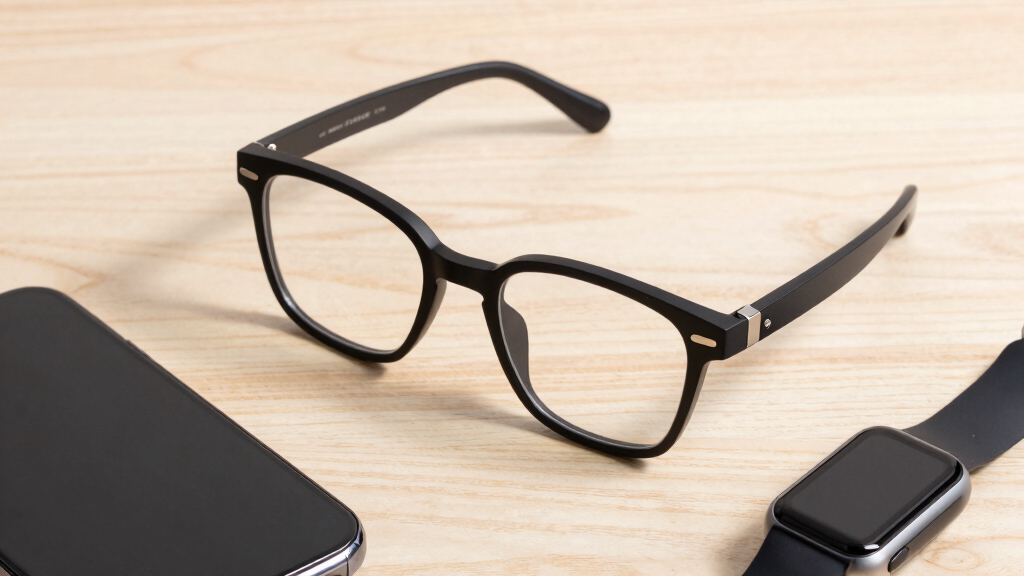
I ranked these smart glasses by how well they solve real buyer problems: camera usefulness, audio quality, battery life, comfort, frame design, AI features, lens practicality, app support, and long-term value. I gave more weight to models that feel credible as everyday eyewear, because smart glasses fail quickly if they are awkward, too conspicuous, or too dependent on niche features.
The order also reflects risk. The Meta and Ray-Ban models rank higher because they pair recognizable frames with a stronger smart-glasses ecosystem, while the lesser-known 4K AI glasses rank lower even when their listed specs sound aggressive. A higher-resolution camera matters, but only when the glasses are comfortable enough to wear, simple enough to use, and backed by software that buyers can trust.
Factors to Consider When Choosing Best Smart Glasses
Choosing among the best smart glasses is less about finding the longest feature list and more about matching the glasses to the way they will be worn. I would separate buyers into three groups: people who want hands-free photos and video, people who want AI and voice help, and people who mostly want audio in a normal-looking frame. The right pick depends on which of those jobs matters most.
Start With Wearability, Not Specs
The biggest mistake is buying smart glasses like a camera and forgetting that they still have to work as glasses. A model with 4K video can be the wrong buy if the frame feels bulky, the controls are awkward, or the look does not fit daily clothing. The Ray-Ban and Oakley options rank well because their frames already have a clear style identity, while lesser-known AI glasses lean harder on feature claims. Buyers who plan to wear them every day should favor fit, weight, lens choice, and comfort over the flashiest camera number. Smart glasses spend more time on the face than in a tech drawer, so the best pair is the one that feels least like a gadget.
Camera Quality Is About More Than Resolution
Resolution matters, but it does not tell the full story. The 12 MP Meta camera system can be more useful than a generic 4K camera claim if stabilization, app handling, color, microphone pickup, and sharing are better managed. Hands-free capture is best for quick moments, travel clips, point-of-view footage, and casual social sharing, not for replacing a dedicated camera. Buyers should also think about privacy signals and social comfort, since camera glasses can make people nearby more aware of being recorded. If video is the main reason to buy, I would prioritize a model with predictable controls and strong software over a bargain pair with bigger numbers.
AI Features Need A Strong App Ecosystem
Real-time translation, object recognition, and voice assistants sound powerful, but their value depends on speed, accuracy, updates, and how naturally they fit into daily use. The Meta Ray-Ban Gen 2 models have an advantage because their AI features sit inside a broader platform rather than feeling bolted on. Budget AI glasses may appeal to buyers who want translation first, but they carry more uncertainty around language performance, app polish, and future support. For beginners, the better move is usually a pair with fewer rough edges instead of the longest AI checklist. Smart glasses are still a young category, so software reliability matters as much as hardware.
Battery Life Changes The Whole Experience
Battery life decides whether smart glasses feel casual or fussy. The Gen 2 Meta models are more appealing than Gen 1 versions because longer runtime means fewer interruptions during commuting, walking, errands, and short trips. A pair that needs frequent charging can still be fine for occasional recording, but it becomes irritating as an all-day audio or assistant device. Buyers should also factor in the charging case, since it can make short battery life easier to live with. I would pay more for better battery life if the glasses will replace earbuds for calls, music, or voice commands.
Lens Choice Can Make Or Break The Purchase
Lens configuration is easy to overlook, yet it shapes where the glasses can be worn. Clear lenses are better for indoor work, calls, and evening use, while polarized or tinted lenses make more sense for driving, walking, and bright outdoor days. Photochromic lenses are the most flexible, but they may not get dark enough for every sunny setting or clear quickly enough for every indoor moment. Buyers who already wear prescription glasses should check prescription support before falling for a specific frame color. For one-pair convenience, I would lean toward adaptive or clear lenses; for outdoor use, a sunglass-style model can feel more natural.
Know When To Pay More
Paying more makes sense when the upgrade buys a better frame, longer battery life, a cleaner app, stronger warranty support, or a camera system that is easier to use. It makes less sense to pay extra only for a louder spec claim that does not improve daily wear. The Ray-Ban Meta Gen 2 Wayfarer and Skyler justify their higher ranking because they reduce friction across many small moments. The value picks are more appealing when discounted, especially the Gen 1 Ray-Ban Meta models, but buyers should accept the older hardware limits. For most people, the sweet spot is a proven smart-glasses platform in a frame they would wear even when the battery is off.
Frequently Asked Questions
Are The Meta Ray-Ban Gen 2 Glasses Worth Paying More For?
Yes, for most buyers, the Meta Ray-Ban Gen 2 models are worth the higher price because they improve the parts that affect daily use: battery life, capture quality, software polish, and frame choice. Cheaper AI glasses may list 4K video or translation, but they are harder to trust if comfort, app support, or audio quality lag behind. The Gen 2 Skyler is the best all-around pick in this roundup, while the Gen 2 Wayfarer is better for a more classic look. Buyers who only want occasional recording can save money with Gen 1, but frequent users should start with Gen 2.
Should I Choose Wayfarer, Skyler, Headliner, Or Oakley HSTN?
The right frame depends on how visible the tech should feel. Wayfarer is the safest style for most faces and outfits, while Skyler feels a little softer and more fashion-led. Headliner works well for buyers who want clear lenses and a slightly different shape without going too bold. Oakley HSTN is the pick for sportier styling, but it is less subtle than the Ray-Ban options. I would choose the frame first, then narrow by lens type and generation.
Are 4K AI Smart Glasses Better Than Ray-Ban Meta Glasses?
Not automatically. A 4K camera sounds better on paper, but smart glasses also need stable recording, useful microphones, simple controls, and dependable app support. The Ray-Ban Meta models rank higher here because they offer a more complete everyday package, even when some budget rivals advertise sharper video. A 4K AI pair can make sense for buyers who mainly want experimental features such as translation or object recognition. For a first pair, I would pick reliability and wearability over the biggest resolution claim.
Are Gen 1 Ray-Ban Meta Glasses Still A Good Buy In 2026?
Gen 1 Ray-Ban Meta glasses can still be a smart buy when the price is meaningfully lower than Gen 2. They keep the core appeal: hands-free photos, open-ear audio, video recording, and recognizable Ray-Ban frames. The tradeoff is that Gen 2 models offer a stronger long-term choice through better battery life and improved capture specs. I would buy Gen 1 for value, casual use, or a first smart-glasses experiment. I would skip Gen 1 at full price unless the exact frame and lens setup is the main draw.
Which Smart Glasses Are Best For Beginners?
For beginners, I would choose the Ray-Ban Meta Gen 2 Wayfarer if the budget allows, because it offers the most familiar frame shape and a smoother entry into smart-glasses features. It does not force buyers into a futuristic look, which matters when wearing camera glasses in public. The Meta Ray-Ban Gen 2 Skyler is just as easy to recommend for buyers who prefer its styling. Budget AI glasses are tempting, but they ask beginners to accept more uncertainty. A first pair should feel simple, wearable, and easy to explain.
Conclusion
For most buyers, my best overall pick is the Meta Ray-Ban Gen 2 Skyler because it offers the strongest mix of AI features, camera quality, battery life, and everyday style. The Ray-Ban Meta Gen 2 Wayfarer is the best choice for beginners and anyone who wants the most familiar frame shape, while the Meta Oakley HSTN is the best sportier option. The best premium-feeling choice is the Meta Ray-Ban Gen 2 Headliner if clear-lens wear and a cleaner daily look matter most. For value, I would watch for discounts on the Ray-Ban Meta Gen 1 Wayfarer or Gen 1 Skyler, accepting the older battery and camera limits. Buyers focused on translation or experimental AI can look at the EarlySincere 4K AI Smart Glasses or similar 4K AI models, but the safer recommendation remains a proven Meta Ray-Ban pair.
Halloween Picks
halloween
As an affiliate, we earn on qualifying purchases.