
TL;DR

Play games on Amazon Luna for your next adventure, included with Prime
- A rotating selection of games, no download needed
- Play on TV, laptop or phone
- Fast, free delivery for your gear, too
A discussion has emerged on Reddit about the potential benefits and challenges of developing an open-source Google Earth VR alternative. While some see value, others question its feasibility and impact.
Community members on Reddit are debating whether the effort to develop an open-source alternative to Google Earth VR would be justified. This discussion highlights broader questions about open-source development, user privacy, and the future of virtual globe applications.
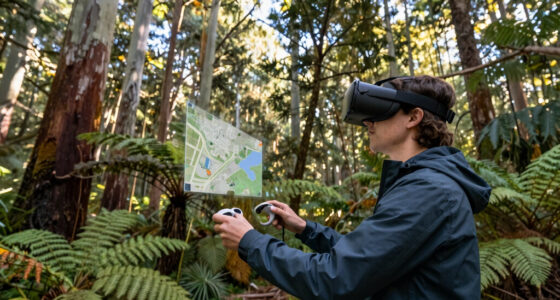
The conversation originated from a Reddit post where users considered the technical and strategic feasibility of creating a free, open-source platform that replicates Google Earth VR’s features. Currently, Google Earth VR remains proprietary, with limited options for customization or independent development. Some community members argue that an open-source project could foster innovation, transparency, and user control, especially amid concerns over data privacy and corporate control.
However, critics point out significant challenges, including the substantial technical complexity involved in developing such a platform, the need for extensive resources, and the risk of limited adoption without corporate backing. There is no official plan or active project confirmed at this time; the discussion remains speculative and community-driven.
Implications for Virtual Globe Development and Open-Source Communities
This debate matters because an open-source Google Earth VR alternative could democratize access to detailed virtual globe data and VR experiences, potentially reducing reliance on proprietary platforms. It could also influence data privacy norms and inspire new innovations in geospatial visualization. Conversely, the lack of corporate support and technical hurdles could limit its impact, making the effort potentially unviable without significant community or institutional backing.
As an affiliate, we earn on qualifying purchases.
Background on Google Earth VR and Open-Source Projects
Google Earth VR, launched in 2016, provides immersive virtual globe experiences but remains a proprietary platform with limited customization options. Over the years, several open-source geospatial tools and projects have emerged, but none have matched the immersive VR capabilities of Google Earth VR. The idea of creating a free, open-source alternative has periodically surfaced within VR and geospatial communities, often driven by concerns over data privacy and the desire for more user control.
Recent discussions on Reddit reflect a renewed interest in this possibility, though no concrete development efforts have been publicly announced. The debate underscores ongoing tensions between proprietary technology dominance and open-source innovation in the VR and geospatial sectors.
“Building an open-source Google Earth VR could democratize access, but the technical and resource barriers are significant.”
— an anonymous researcher
As an affiliate, we earn on qualifying purchases.
Unconfirmed Plans and Technical Challenges
There are currently no official projects or concrete plans to develop an open-source Google Earth VR alternative. The technical complexity of creating a feature-rich, immersive geospatial platform remains a major obstacle. It is also unclear whether community interest and funding would be sufficient to sustain such an effort.
As an affiliate, we earn on qualifying purchases.
Potential Pathways and Community Initiatives
Further discussions within the VR and open-source communities may lead to small-scale prototypes or collaborative efforts. Monitoring any formal proposals or funding initiatives will be key to understanding whether this idea gains traction. Additionally, advancements in open-source geospatial tools could influence future development prospects.
As an affiliate, we earn on qualifying purchases.
Key Questions
Could an open-source Google Earth VR really compete with the proprietary version?
While technically possible, competing at the same level would require significant resources, community support, and development time. It remains uncertain whether such an effort could match Google Earth VR’s features and user base.
What are the main technical hurdles to creating an open-source VR globe platform?
Developing high-quality immersive visuals, accurate geospatial data, and seamless VR integration are complex tasks that demand extensive expertise and resources. Ensuring data privacy and open data access are additional challenges.
Are there any existing open-source alternatives to Google Earth VR?
Some open-source geospatial tools and virtual globe projects exist, but none currently offer the full immersive VR experience or comprehensive global coverage of Google Earth VR.
Would a community-driven project be sustainable long-term?
Sustainability depends on ongoing community interest, funding, and technical support. Without backing from institutions or companies, maintaining such a project could be difficult.
Source: r/virtualreality
Halloween Picks
halloween
As an affiliate, we earn on qualifying purchases.