Your susceptibility to motion sickness varies because your cultural experiences, exposure to different travel methods, and personal expectations shape how your nervous system perceives motion signals. Additionally, your genetic makeup affects your inner ear sensitivities and balance responses. Some people are naturally more prone due to inherited traits. Understanding these factors can help you better manage symptoms. Keep exploring to discover what influences your unique reaction to motion triggers.
Key Takeaways
- Cultural exposure to different types of travel influences individual sensitivity to motion stimuli.
- Genetic predispositions affect inner ear sensitivity and how the vestibular system responds to motion.
- Variations in balance and spatial orientation determine differing nausea thresholds among individuals.
- Personal travel experiences and societal norms shape psychological expectations and reactions to motion.
- Inherited traits influence perception and susceptibility, making motion sickness triggers unique for each person.

Motion sickness can strike unexpectedly, often triggered by specific stimuli that disrupt your inner balance. You might find yourself feeling queasy on a boat, in a car, or even watching a moving scene on a screen. But what causes these triggers to vary from person to person? The answer lies partly in cultural influences and genetic predispositions that shape how your body responds to motion.
Motion sickness triggers vary due to cultural backgrounds and genetic factors shaping individual balance responses.
Cultural influences play a crucial role in how you experience motion sickness. If you grew up in a culture where traveling by boat or car was common, you might have developed a higher tolerance for such stimuli. Conversely, if your environment rarely exposed you to these motions, your body might react more intensely when faced with them. Cultural habits and exposure shape your expectations and reactions; for example, some societies have traditions involving frequent boat trips or mountain travel, which can desensitize individuals over time. On the other hand, if you come from a background where motion is less common, your body might be more sensitive because it hasn’t adapted to these stimuli. Your cultural experiences influence your familiarity with motion and your mental response to it, which can either heighten or lessen your susceptibility to motion sickness. Additionally, cultural exposure can influence how your nervous system perceives and processes motion signals, further affecting your susceptibility. Research also indicates that cultural attitudes towards motion can impact your psychological readiness and perceived discomfort during travel.
Genetic predispositions also contribute notably to why triggers affect you differently. Some people are naturally more prone to motion sickness due to inherited sensitivities in their inner ear or brain structures responsible for balance and spatial orientation. If your family has a history of motion sickness, you’re more likely to experience it yourself. Genes influence how your vestibular system — the part of your inner ear that helps control balance — reacts to movement. If your inner ear is more sensitive or prone to misinterpreting signals, you’re more likely to feel nauseous when exposed to certain motions. Conversely, others might have genetic traits that make their balance system more robust, allowing them to tolerate movement with fewer symptoms. This inherited aspect explains why some individuals can travel for hours without feeling ill, while others become queasy after just a short ride. Furthermore, research suggests that genetic factors can determine how your body perceives and responds to motion stimuli, emphasizing the importance of your inherited traits. Understanding these genetic influences can help tailor personalized strategies for managing motion sickness.

Hionfurt Motion Sickness Bands Anti Nausea Wristband for Adult and Kids Morning Sickness Relief for Pregnant Women Acupressure Nausea Relief for Car, Sea, Air Sickness – 2 Pairs Gray, Gray
- Nausea Relief: Clinically tested for various nausea types
- Acupressure Treatment: Stimulates Nei-Kuan point for relief
- Drug-Free Solution: No side effects or drowsiness
As an affiliate, we earn on qualifying purchases.
As an affiliate, we earn on qualifying purchases.
Frequently Asked Questions
Can Children Experience Different Motion Sickness Triggers Than Adults?
Yes, children can experience different motion sickness triggers than adults. Child-specific triggers often relate to developmental sensitivities, such as their still-maturing inner ear and nervous system. They might be more sensitive to certain movements or visual cues that don’t bother adults. As a result, what causes motion sickness in children can differ, and understanding these triggers helps you better manage their discomfort during travel or other activities.
Do Gender Differences Affect How Motion Sickness Triggers Impact Individuals?
Gender influences how motion sickness triggers impact you, with trigger variability often tied to biological and hormonal differences. You might find that women experience symptoms differently or more intensely than men due to hormonal fluctuations, while men may have different sensitivities. These gender-based variations mean that your personal susceptibility to triggers varies, making it essential to recognize your unique response. Understanding this helps you better manage and mitigate motion sickness effectively.
How Does Anxiety Influence Susceptibility to Motion Sickness Triggers?
Anxiety heightens your susceptibility to motion sickness triggers by amplifying psychological factors and affecting sensory processing. When you’re anxious, your brain becomes more sensitive to conflicting signals from your eyes, inner ear, and body, making motion sickness worse. This heightened state can cause you to notice symptoms sooner and experience them more intensely. Managing anxiety through relaxation techniques can help reduce your vulnerability and improve your overall comfort during motion.
Are There Specific Triggers More Common in Certain Types of Transportation?
Ever notice certain triggers feel more intense in specific transportation? You might find airplane turbulence particularly unsettling, while car motion often causes discomfort during long drives. These triggers are common because of the way your body perceives movement differently depending on the environment. So, if you’re prone to motion sickness, understanding these specific triggers can help you prepare better—like using anti-nausea remedies during a bumpy flight or a long car ride.
Can Diet or Hydration Levels Change How Triggers Affect Someone?
Yes, diet impact and hydration influence how motion sickness triggers affect you. Eating heavy or greasy foods before travel can worsen symptoms, while staying hydrated can reduce nausea and dizziness. Proper hydration helps maintain your inner ear balance, making you less sensitive to triggers. By paying attention to your diet and hydration levels, you can better manage and even prevent motion sickness during your journeys.

Dramamine Nausea Relief Tablets, Long-Lasting, 20 Ct
- Long-lasting relief: Relieves nausea for up to 24 hours
- Formulated for prevention: Contains 25 mg Meclizine for long-lasting relief
- Fast-acting relief: Effective for car rides, gaming, and virtual reality
As an affiliate, we earn on qualifying purchases.
As an affiliate, we earn on qualifying purchases.
Conclusion
Just like no two snowflakes are identical, your motion sickness triggers are uniquely yours. They dance to their own rhythm, unpredictable as a jazz tune. By understanding your personal triggers, you hold the key to calming your stormy seas. Think of it as tuning your inner compass—once you know what sets it off, you can navigate smoother waters. Embrace this journey of self-discovery, and soon, motion sickness won’t be your unwelcome hitchhiker anymore.

Tumble Forms 2 Deluxe Vestibulator II System, Soft Platform Swing, Accessory for Sensory Integration Therapy Equipment, Enhance Spatial Awareness, Balance & Movement, Aid for Those With Special Needs
- Soft Top Platform Swing: Supports balance and visual perception
- Dimensions and Capacity: 32"W x 24.5"D, 150 lbs capacity
- Vestibulator II System: Provides vertical stimulation and sensory therapy
As an affiliate, we earn on qualifying purchases.
As an affiliate, we earn on qualifying purchases.

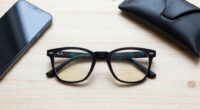
Hion Motion Sickness Glasses Relieve Carsickness Airsickness Seasickness Glasses No Lens Liquid Glasses for Adults or Kids(1Pair Without Bags)
- Material: Soft, elastic, durable TPE material
- Design: Foldable, lightweight, travel-friendly
- Fit: Secure fit with unique nose pad
As an affiliate, we earn on qualifying purchases.
As an affiliate, we earn on qualifying purchases.