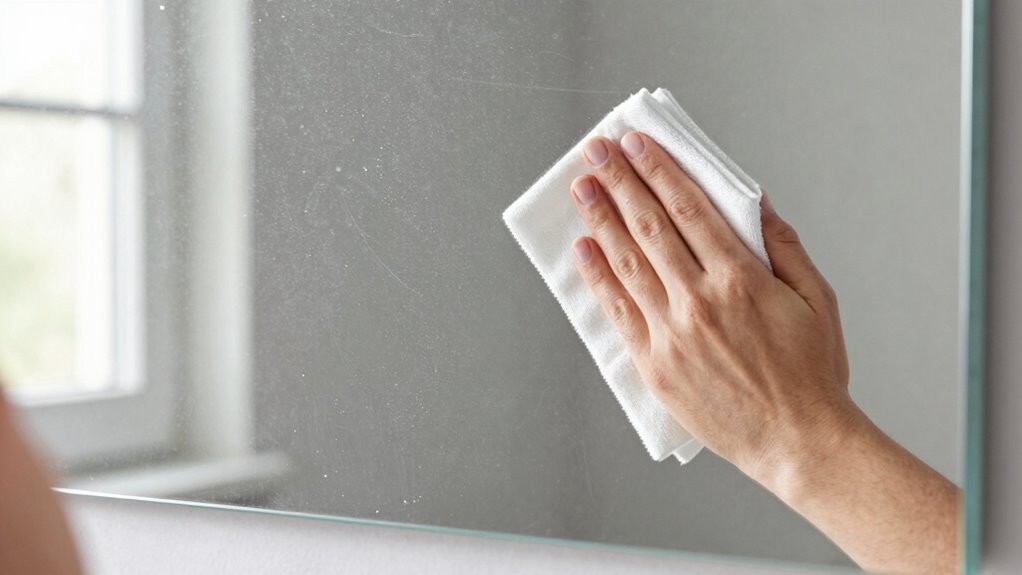

To keep fog and smudges from returning, clean your lenses with gentle, alcohol-based solutions and a microfiber cloth, avoiding touching the surfaces with fingers. Apply anti-fog coatings properly, ensuring they dry completely for lasting effects. Store your devices in dry, cool places, and control environmental factors like humidity and temperature shifts. Regular maintenance and surface prep will help maintain clarity longer, and if you follow these steps, you’ll learn more tricks to keep your lenses clear.
Key Takeaways
- Apply a high-quality anti-fog coating evenly and ensure proper drying for long-lasting fog resistance.
- Store lenses in cool, dry environments to prevent condensation buildup over time.
- Handle surfaces with clean, dry hands and avoid touching lens surfaces directly.
- Maintain consistent temperature and humidity levels to reduce the risk of fog and smudges returning.
- Regularly clean and reapply anti-fog coatings as needed to sustain clarity and prevent residue buildup.
Understanding Why Lenses Fog and Smudge

Lenses fog and smudge mainly because of temperature differences and moisture. When you move between warm and cold environments, your lens cools or heats unevenly, causing moisture to condense into tiny droplets on the surface. This condensation creates fog, reducing visibility. Smudges happen when oils and dirt from your fingertips transfer onto the lens surface; these particles attract dirt and moisture, making smudges more noticeable. Humidity increases the likelihood of fogging because it adds more moisture to the air, which then settles on your lenses. Understanding these causes helps you realize that managing temperature changes and moisture levels is key. Proper lens storage in a dry, cool place can help prevent condensation buildup when not in use. Using anti-fog coatings designed to repel water and oils can further reduce the buildup of fog and smudges. Proper lens maintenance also helps maintain clarity and reduce residue buildup, making it easier to keep your lenses clean and clear. Additionally, avoiding touching the lens surface with your fingers minimizes the transfer of oils and dirt, which can cause residue buildup and reduce clarity over time.
Choosing the Right Cleaning Products and Materials

Choosing the right cleaning products and materials is key to maintaining clear lenses and preventing smudges from returning. Use gentle, alcohol-based cleaners designed for optics, avoiding harsh chemicals that can damage coatings. Microfiber cloths are ideal because they clean without scratching or leaving lint. Avoid paper towels or rough fabrics that can cause micro-scratches. Keep cleaning supplies separate for lenses and other surfaces to prevent cross-contamination. Store products in a cool, dry place to preserve effectiveness. Using proper cleaning techniques can significantly extend the clarity of your lenses. Here’s a quick guide:
| Cleaning Product | Suitable Materials | Notes |
|---|---|---|
| Lens cleaner spray | Microfiber cloths | Alcohol-based, no ammonia |
| Water and mild soap | Soft, lint-free cloth | Use sparingly, rinse thoroughly |
| Special lens wipes | Microfiber or soft cloth | Pre-moistened, convenient for quick clean |
Choosing the right tools ensures your lenses stay clear longer.
Proper Techniques for Cleaning Your Lenses
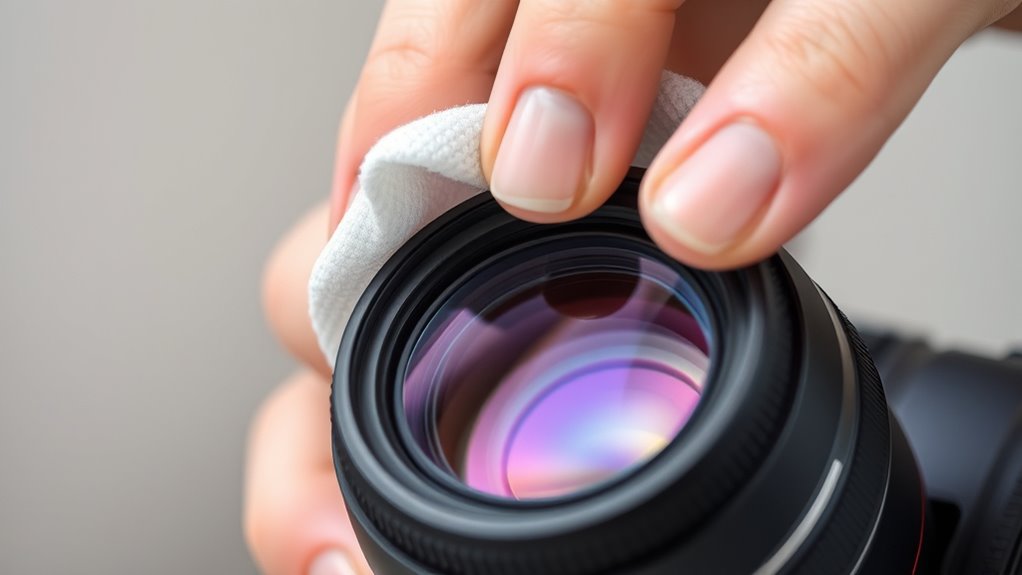
When cleaning your lenses, make sure to use the right cleaning solutions to avoid damage. Use gentle wiping techniques to prevent scratches and streaks. Properly applying solutions and careful wiping will leave your lenses clear and smudge-free. For added protection, consider using essential oils known for their antimicrobial and soothing properties to help keep your lenses and surrounding environment clean and healthy. Incorporating air purifier technology can also help reduce airborne pollutants that contribute to lens smudging. Additionally, maintaining your air purifier with proper filter maintenance ensures it operates efficiently, helping to minimize airborne particles that can settle on your lenses. Regularly cleaning your environment can further diminish dust and pollutants that cause smudges and fog on your lenses, especially when combined with consistent dust control practices.
Use Appropriate Cleaning Solutions
Using the right cleaning solutions is essential to keep your lenses clear and free of smudges. Avoid harsh chemicals like ammonia or bleach, which can damage coatings. Instead, opt for lens cleaners specifically formulated for optical surfaces. These solutions effectively break down oils, dirt, and fingerprints without harming the lens material. If you don’t have a specialized cleaner, a small amount of mild dish soap diluted with water can work. Always apply the solution to a microfiber cloth, not directly onto the lens, to prevent liquid from seeping into edges. Using the correct cleaner guarantees thorough cleaning without risking scratches or deterioration. This helps maintain clarity and prevents the buildup of residues that can cause fogging or smudging to come back quickly.
Gentle Wiping Techniques
To effectively clean your lenses without causing scratches or smudges, it’s important to use gentle wiping techniques. Start by holding the lens steady and using a soft, lint-free cloth. Avoid applying too much pressure, which can damage the surface. Instead, use light, circular motions to lift dirt and oils. Always wipe from the center outward to prevent spreading debris. If needed, slightly dampen the cloth with a cleaning solution, but never spray directly onto the lens. Remember to keep your hands clean to avoid transferring new smudges. Proper technique minimizes smudging and prolongs the clarity of your lenses.
- Use a microfiber cloth for gentle, effective cleaning
- Wipe in circular motions to lift dirt carefully
- Avoid pressing hard or using rough materials
Applying Anti-Fog Solutions Effectively
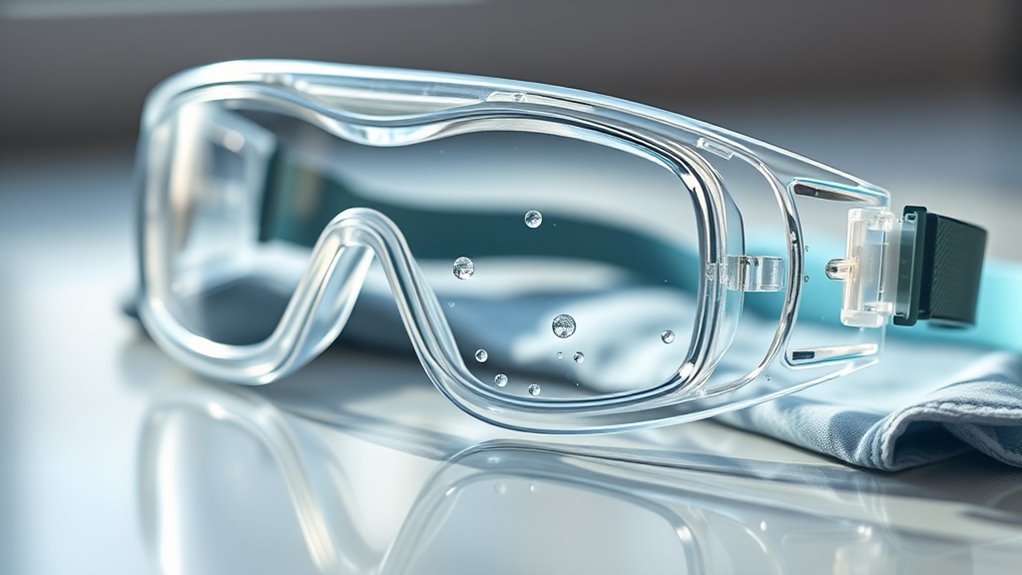
To get the best results, apply anti-fog solutions carefully following the instructions. Make certain you spread the product evenly across the entire surface for full coverage. Allow the solution to dry completely before wearing your lenses or masks to ensure it works effectively. Additionally, ensure the surface is clean and free of oils or residues that can interfere with the anti-fog film application process. Using professional-grade products can also improve the longevity of the anti-fog effect, similar to how deals buy ensures quality recordings in voice acting. Incorporating proper surface preparation techniques into your application can further enhance the effectiveness of the anti-fog coating, ensuring a clearer view for longer periods. Incorporating creative storytelling techniques into your instructions can also enhance user understanding and satisfaction.
Proper Application Techniques
Applying anti-fog solutions correctly is essential for achieving the best results. To guarantee maximum effectiveness, follow these proper application techniques. First, clean your lenses thoroughly to remove dirt and oils, which can prevent the solution from sticking evenly. Next, apply a small amount of the solution to a soft, clean cloth or microfiber towel—avoid using too much. Spread it evenly across the surface using gentle, circular motions. Finally, buff the lens gently to remove any excess and achieve a clear, streak-free finish. Remember, a consistent, light application yields better long-term fog prevention. By following these steps, you’ll help ensure your anti-fog solution works effectively and keeps your lenses clear longer.
Allow Adequate Drying
Allowing your anti-fog solution to dry completely is essential for effective fog prevention. If you don’t give it enough time, the solution may not adhere properly, reducing its effectiveness. After applying, avoid touching or wiping the surface until it’s fully dry. This ensures the solution forms a proper film that resists fog buildup. Depending on the product and environment, drying might take a few minutes. For best results, follow the manufacturer’s instructions regarding drying time. Keep the surface in a dust-free area during this period to prevent particles from interfering with the film. Adequate drying helps the anti-fog layer bond securely to the surface, providing longer-lasting fog resistance. Proper drying techniques ensure the film cures fully, which is crucial for optimal performance. Patience here saves you from reapplying too soon or dealing with streaks and smudges. Ensuring proper adhesion of the anti-fog layer is key to maintaining clear visibility over time.
Using Protective Coatings and Films

Protective coatings and films can be highly effective in preventing fog and smudges from reappearing on your glass surfaces. These treatments create a barrier that resists moisture and fingerprints, keeping your glass cleaner longer. Applying a coating or film is simple and offers long-lasting protection, reducing the need for frequent cleaning. Additionally, using reliable sizing and load‑planning tools can help ensure that your glass surfaces are properly maintained and protected over time. Proper installation planning is essential for maximizing the lifespan and performance of these protective solutions. Incorporating coating application techniques can further improve adhesion and durability, ensuring your surfaces stay clear longer. Proper surface preparation is also crucial for optimal adhesion and effectiveness, leading to better long-term results. For best results, consider selecting products with anti-fog properties that are specifically designed for your type of glass. Here are some benefits:
Protective coatings and films keep glass cleaner longer by resisting moisture and fingerprints.
- Prevents moisture buildup and fogging
- Reduces fingerprint and smudge visibility
- Enhances durability and ease of cleaning
Choose a high-quality protective film or coating designed specifically for your glass type. Follow the manufacturer’s instructions carefully to _guarantee_ proper adhesion and maximum effectiveness. By investing in these protective solutions, you’ll maintain clearer, cleaner surfaces with less effort over time.
Tips for Preventing Smudges and Fingerprints

While protective coatings and films create a strong barrier against moisture and fingerprints, maintaining a smudge-free surface also depends on your habits. Always handle screens or glass surfaces with clean, dry hands to prevent transferring oils and dirt. When cleaning, use a soft microfiber cloth and gentle cleaner designed for your surface type—avoid harsh chemicals that can damage coatings. Avoid touching the screen unnecessarily; keep your fingers away from the surface whenever possible. Store devices in cases or pockets to minimize contact with dust and oils. Regularly wipe down surfaces to prevent buildup and smudges from settling in. By being mindful of how you handle and clean your devices, you considerably reduce the likelihood of fingerprints and smudges constantly reappearing.
Managing Environmental Factors to Reduce Fogging

Environmental conditions play a significant role in preventing fogging on your devices. Temperature and humidity levels directly influence how quickly fog forms. To reduce fogging, keep the environment dry and at a moderate temperature. Avoid sudden temperature shifts, which can cause condensation. Use a dehumidifier or air conditioner to control moisture in the air, especially in humid climates. Ensure proper ventilation to reduce excess humidity that promotes fog. Additionally, store your devices in cool, dry places when not in use. Maintaining stable conditions minimizes the chances of fog formation. Regularly monitoring water chemistry and environmental factors can further help in preventing fog from returning. Remember, consistent environmental control is key to keeping your screens clear longer. By managing these factors, you’ll prevent fog from returning and enjoy clearer visuals.
Regular Maintenance to Keep Lenses Clear Longer

Regular maintenance is essential for keeping your lenses clear and preventing fog buildup over time. When you regularly clean and inspect your lenses, you catch smudges and dirt before they cause issues. Use a soft microfiber cloth and lens cleaner to wipe away grime gently. Avoid touching the lens surface with your fingers, which can transfer oils and cause smudges. A consistent maintenance routine ensures your lenses stay free of debris and fog, so your vision remains sharp. Remember, neglecting care invites persistent fog and smudges that can be tough to remove later. Keep this table in mind to stay motivated:
| Routine Action | Result |
|---|---|
| Daily cleaning | Clearer, fog-free lenses |
| Gentle wiping | Prevents scratches |
| Regular inspections | Stops buildup early |
| Proper storage | Reduces environmental damage |
| Reapplication of coatings | Maintains clarity |
Stay committed, and your lenses will serve you longer.
Frequently Asked Questions
Can Certain Clothing Materials Cause Lenses to Fog More Frequently?
Yes, certain clothing materials can make your lenses fog more often. Fabrics like wool or fleece tend to trap heat and moisture, which increases fogging. Wearing clothing with high insulation, especially around your face, traps warm air near your lenses. To reduce fog, avoid tight collars or scarves made of these materials, and opt for smoother fabrics that don’t trap as much heat and moisture around your face.
Do Specific Activities Increase the Likelihood of Lens Smudges?
Certain activities, like cooking, exercising, or working outdoors, can increase your chances of lens smudges. When you sweat, breathe heavily, or handle greasy foods, oils and moisture transfer onto your lenses. Touching or adjusting your glasses frequently also leaves fingerprints. To keep your lenses clear, avoid touching them unnecessarily, clean them regularly, and consider using anti-fog or anti-smudge coatings. Staying mindful during these activities helps prevent persistent smudges from forming.
How Does Humidity Impact Lens Fogging and Smudging?
Humidity acts like an invisible artist, painting your lenses with tiny water droplets. When humidity’s high, moisture clings to your lens like dew on grass, causing fog and smudges to appear easily. You can beat this by keeping your lenses dry, using anti-fog coatings, or storing them in a sealed, low-humidity environment. Think of it as taming a restless cloud that threatens your clear view.
Are There Natural Remedies to Prevent Lens Fogging?
Yes, you can try natural remedies to prevent lens fogging. Apply a small amount of aloe vera gel or coconut oil to your lenses and buff gently with a microfiber cloth. These natural substances create a barrier that reduces moisture buildup. You can also breathe on your lenses to steam them up, then wipe away the condensation, leaving a thin, protective film that minimizes future fogging.
Can Diet or Hydration Affect Lens Clarity and Smudge Buildup?
Diet and hydration can definitely make a difference in lens clarity and smudge buildup. Drinking plenty of water helps keep your skin and eyes moist, reducing oil transfer to lenses. Eating antioxidant-rich foods can strengthen your eyes and skin, preventing excess oil and grime from accumulating. Staying hydrated also flushes toxins that might cause irritation or fogging. So, a balanced diet and good hydration keep your lenses clearer and cleaner longer.
Conclusion
By following these steps, you can keep your lenses crystal clear, like a calm lake free of ripples. Imagine peering through spotless glass, every detail sharp and vibrant, free from fog or smudges clouding your view. Regular care and smart choices create a barrier against fog’s and fingerprints’ sneaky return. With just a little effort, your lenses will stay clear, letting you see the world in crisp, beautiful detail every time you look through them.