TL;DR

Play games on Amazon Luna for your next adventure, included with Prime
- A rotating selection of games, no download needed
- Play on TV, laptop or phone
- Fast, free delivery for your gear, too
Canadian cities, including Quebec City and Toronto, are debating bans on smartglasses due to privacy concerns. Several locations have already implemented restrictions, citing risks of covert recording and harassment. The debate highlights growing fears over misuse and personal privacy violations.
Several Canadian cities, including Quebec City and Toronto, are considering or have already enacted bans on smartglasses in public spaces due to rising privacy concerns. The restrictions aim to prevent covert recording and harassment, as reports of misuse increase. This development reflects growing fears over personal privacy in the digital age and the potential for abuse of wearable technology.
In Quebec City, authorities have banned the use of smartglasses in public changing rooms to prevent covert recording, citing privacy violations and harassment risks. Similarly, two Toronto bars have voluntarily implemented bans on smartglasses, citing concerns over surveillance and the potential for disruptive behavior. These measures follow reports from fediverse and other sources indicating that smartglasses, particularly Meta-powered Ray-Bans, are being misused to record women without consent and to extort victims by threatening to post humiliating videos on social media platforms.
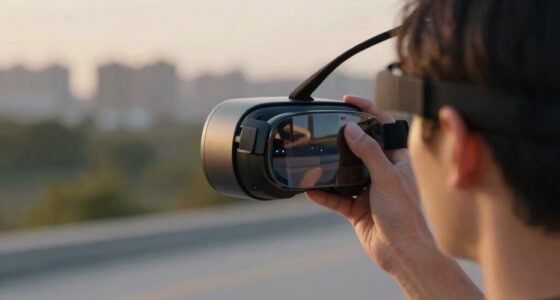
Smartglasses are equipped with built-in cameras capable of capturing photos, videos, and audio, often operated handsfree. The devices have gained popularity but also raised alarms over their potential for covert surveillance. Some Australian municipalities have already banned smartglasses in public pools and recreational facilities, and discussions are underway to extend restrictions to workplaces and service centers. The controversy underscores the challenge of regulating emerging wearable technologies amid privacy and safety concerns.
Experts and advocacy groups warn that without regulation, smartglasses could become tools for harassment, stalking, and extortion. An anonymous researcher noted that these devices can be used covertly, making it difficult for victims to detect when they are being recorded. Authorities emphasize that existing privacy laws may need to be updated to address the specific risks posed by wearable cameras and audio recording devices.
Privacy Concerns Prompt Calls to Ban Smartglasses in Canada
Canadian cities, including Quebec City and Toronto, are debating or enacting bans on smartglasses in public spaces. Authorities cite risks of covert recording, harassment, and extortion — spotlighting the struggle to regulate wearable cameras in the digital age.
Where Restrictions Are Taking Hold
Bans remain limited to specific cities and contexts, but momentum is building as reports of misuse — covert recording and extortion — continue to surface.
Quebec City
Authorities have banned smartglasses in public changing rooms to prevent covert recording, citing privacy violations and harassment risks in sensitive spaces.
Toronto
Two Toronto bars have voluntarily prohibited smartglasses, citing concerns over surveillance of patrons and the potential for disruptive behavior.
Australian Municipalities
Several municipalities have banned smartglasses in public pools and recreational facilities, with discussions underway to extend rules to workplaces and service centers.
Rest of Canada
No widespread national ban exists yet. Lawmakers are weighing privacy protection against technological innovation as the legal landscape remains uncertain.
Why the Devices Raise Alarms
Smartglasses capture photos, video, and audio — often hands-free and virtually undetectable. Experts and advocacy groups warn of three primary abuse patterns.
Invisible Surveillance
Built-in cameras can record without consent, making it difficult for victims to even detect when they are being filmed or audio-captured in public spaces.
Women at Risk
Reports from the fediverse and other sources indicate Meta-powered Ray-Bans are being used to record women without consent, especially targeting vulnerable populations.
Threats to Expose
Victims are being extorted through threats to post humiliating videos on social media platforms — turning wearable tech into a tool of coercion.
Growing Scrutiny, Uneven Response
The intensity of regulatory attention varies by setting — from fully enacted local bans to ongoing federal and provincial discussions.
The ban aims to protect individuals from covert recording and harassment in sensitive spaces like changing rooms.
— City Official, Quebec CityThe Road to Regulation
Authorities and lawmakers are expected to continue discussions, potentially leading to formal legislation and updated privacy laws.
Public Consultations
Hearings gauge opinion and address privacy and safety concerns from stakeholders.
Expanded Local Bans
Cities may widen existing restrictions or introduce new ones in public spaces.
Legal Updates
Existing privacy laws may be revised to explicitly address wearable cameras and audio devices.
Industry Response
Tech companies face pressure to build privacy safeguards into future device designs.
What You Need to Know
Answers to the most pressing questions about the smartglasses controversy.
Are all smartglasses banned in Canada?
No. Bans are currently limited to specific cities and contexts, such as Quebec City and certain bars in Toronto. Widespread national bans remain under discussion.
What are the main privacy concerns?
Primary issues include covert recording without consent, harassment, and extortion — especially targeting women and vulnerable individuals.
Could bans affect availability of smartglasses?
Yes. Restrictions could limit sales and usage in public spaces, and influence how manufacturers design future devices with privacy features.
Will existing privacy laws cover misuse?
Current laws may not explicitly address wearable cameras, prompting calls for legal updates to better protect privacy rights.
From Misuse Reports to Legal Precedent
Implications for Personal Privacy and Public Safety
This debate highlights the urgent need to balance technological innovation with personal privacy rights. The proposed bans reflect concerns that smartglasses can be misused for covert recording and harassment, especially against women and vulnerable populations. If restrictions are implemented widely, it could lead to new regulations governing wearable technology, influencing how companies design and market these devices. For consumers, the controversy raises questions about privacy, consent, and the limits of surveillance in public spaces. The outcome of these discussions could set important legal and social precedents for the use of wearable tech in Canada and beyond.
As an affiliate, we earn on qualifying purchases.
Growing Privacy Fears and Regulatory Responses
Smartglasses, especially models like Meta-powered Ray-Bans, have become increasingly popular for their convenience and augmented reality features. However, their built-in cameras have also sparked privacy debates globally. In Australia, several municipalities have banned their use in public pools and recreational facilities, citing safety and privacy concerns. In Canada, the issue has gained momentum as reports of misuse—such as covert recording and extortion—have surfaced, prompting local authorities to consider restrictions. These developments follow a broader trend of increasing scrutiny on wearable devices amid rising awareness of privacy violations and personal safety risks.
Historically, wearable cameras have been used for security and documentation, but misuse cases have prompted calls for stricter regulation. The Canadian discussion is part of a wider international debate about how to regulate emerging technologies that can record covertly and potentially be used for malicious purposes. The legal landscape remains uncertain, with lawmakers weighing the need to protect privacy without stifling technological innovation.
“The ban aims to protect individuals from covert recording and harassment in sensitive spaces like changing rooms.”
— a city official in Quebec City
As an affiliate, we earn on qualifying purchases.
Unclear Scope and Enforcement of Proposed Bans
It is not yet clear how widespread the bans will become across Canada or how enforcement will be carried out. Details about whether private establishments will be legally required to prohibit smartglasses or if new laws will explicitly regulate their use remain uncertain. Additionally, the extent to which existing privacy laws will be adapted to address wearable technology is still under discussion. There is also uncertainty about how device manufacturers and tech companies will respond to these restrictions and whether new legal frameworks will be introduced at the federal or provincial level.
As an affiliate, we earn on qualifying purchases.
Next Steps in Regulation and Public Discourse
Authorities and lawmakers are expected to continue discussions on regulating smartglasses, potentially leading to formal legislation or updated privacy laws. Public consultations and stakeholder hearings may be held to gauge opinion and address concerns. Meanwhile, some cities may expand existing bans or introduce new restrictions, and tech companies could face increased pressure to incorporate privacy safeguards. The issue is likely to remain a prominent topic in Canadian privacy debates as the technology continues to evolve.
As an affiliate, we earn on qualifying purchases.
Key Questions
Are all smartglasses banned in Canada?
No, the bans are currently limited to specific cities and contexts, such as Quebec City and certain bars in Toronto. Widespread national bans are still under discussion.
What are the main privacy concerns with smartglasses?
The primary issues include covert recording without consent, harassment, and extortion, especially targeting women and vulnerable individuals.
Could these bans affect the availability of smartglasses?
Yes, restrictions could limit sales and usage in public spaces, and potentially influence how manufacturers design future devices with privacy features.
Will existing privacy laws cover misuse of smartglasses?
Current laws may not explicitly address wearable cameras, prompting calls for legal updates to better protect privacy rights.
What is the timeline for potential regulations?
Legislative discussions are ongoing, with possible regulations emerging within the next year as authorities respond to the controversy.
Source: fediverse
Fall Picks
fall essentials
As an affiliate, we earn on qualifying purchases.