TL;DR

Play games on Amazon Luna for your next adventure, included with Prime
- A rotating selection of games, no download needed
- Play on TV, laptop or phone
- Fast, free delivery for your gear, too
Students at Kansas State University Salina built a virtual reality experience for the Kansas Cosmosphere’s summer camps. This collaboration aims to improve educational outreach through immersive virtual reality experiences. The project is currently in the implementation phase, with further testing and deployment planned.
Students from Kansas State University Salina have created a virtual reality experience for the Kansas Cosmosphere’s upcoming summer camps, marking a collaborative effort to enhance STEM education through immersive technology. This development is confirmed as part of a university-led project designed to engage young learners in space science.
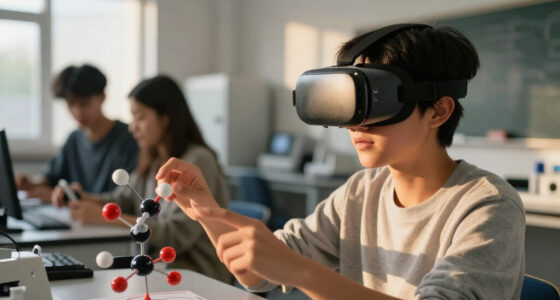
The project involves K-State Salina students designing a VR experience that simulates space missions and exhibits related to the Cosmosphere’s educational programs. The VR content aims to provide an interactive, engaging way for students to learn about space exploration. The project was initiated through a partnership between the university and the Cosmosphere, with students working under faculty supervision to develop the experience.
According to university officials, the VR experience is currently in the testing phase, with plans to deploy it during the Cosmosphere’s summer camps scheduled for mid-2024. The students utilized advanced VR tools and collaborated with space science experts to ensure accuracy and educational value. You can experience similar immersive VR projects to enhance educational outreach.
K-State Salina students build a virtual gateway to space
A student-developed virtual reality experience for Kansas Cosmosphere summer camps turns space missions and exhibits into interactive learning—connecting university talent, museum expertise and the next generation of explorers.
Built to make space science tangible
The project translates complex subjects into an environment learners can explore, experience and remember.
Space missions
Virtual scenarios are intended to place participants inside mission-like experiences rather than leaving them as passive observers.
Digital exhibits
Cosmosphere-related subject matter can become explorable content, adding interaction to established educational programming.
STEM engagement
Immersion gives abstract science a sense of scale and presence, potentially strengthening curiosity about technical careers.
From student idea to camp experience
The collaboration creates a practical chain between academic skills, subject-matter accuracy and public outreach.
Student team
K-State Salina students bring design and VR development skills.
Faculty guidance
Supervision connects classroom learning with project delivery.
Space expertise
Specialist input supports accuracy and educational relevance.
VR testing
The experience is checked before planned camp deployment.
Learner impact
Campers engage with space science through direct interaction.
What is established—and what remains open
The supplied report confirms the partnership and educational intent, while several operational and technical details remain emerging.
| Project element | Status | Evidence level |
|---|---|---|
| Student-developed VR content | ✓Confirmed | Established |
| Cosmosphere summer-camp use | ✓Planned | Reported intent |
| Testing before deployment | ~In progress | Implementation phase |
| Exact headset platform | ?Unclear | Not specified |
| Long-term public use | ?Possible | Not confirmed |
Educational value profile
Directional assessment based on the project’s stated aims, not measured participant outcomes.
to be confirmed
The source described a summer 2024 plan, but does not confirm the final launch outcome.
Specific headset models, software platform and complete content range were not named.
Responsibility for maintenance, updates and expansion remains unspecified.
A working model for immersive outreach
Student innovation can give museums new tools while giving emerging creators meaningful experience with real audiences.
This project showcases our students’ innovative capabilities and our commitment to advancing STEM education through technology.
University spokesperson · supplied report
The project, at a glance
Five concise answers capture the reported purpose, creators, access model and future possibilities.
What is the main goal?
To engage young learners in space science and STEM through immersive, interactive simulations and exhibits.
Who developed the content?
Kansas State University Salina students, working as part of a university project under faculty supervision.
When was availability planned?
The supplied report described testing and a planned summer 2024 camp deployment; final availability is not confirmed here.
Could it be used beyond camps?
Possibly. Public exhibits, school programs and expanded educational initiatives were identified as potential future uses.
What equipment is required?
Compatible VR headsets running the developed experience. The report indicates equipment would be provided during camp use, but does not identify specific models.
Audio, control and immersion for student VR
The referenced vrgearguide.com shopping guides were listed as maintained resources for readers exploring supporting equipment.
Impact of Student-Developed VR on Space Education
This collaboration demonstrates how educational institutions can leverage immersive technology to enhance STEM engagement. The VR experience has the potential to make space science more accessible and exciting for young learners, fostering interest in STEM careers. It also highlights the role of student innovation in real-world educational projects, possibly setting a precedent for future partnerships between universities and museums or science centers.
As an affiliate, we earn on qualifying purchases.
Background of VR Initiatives in Educational Outreach
Over recent years, educational institutions and science museums have increasingly adopted virtual reality as a tool to improve learning experiences. The Kansas Cosmosphere has previously hosted interactive exhibits and educational programs aimed at inspiring interest in space science. The involvement of K-State Salina students in creating a VR experience aligns with broader trends of integrating emerging technologies into STEM education.
While specific details about the project’s development timeline were not previously available, this effort reflects ongoing initiatives to incorporate immersive media into educational outreach, particularly in science and technology fields.
“This project showcases our students’ innovative capabilities and our commitment to advancing STEM education through technology.”
— university spokesperson
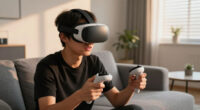
virtual reality space exploration experience
As an affiliate, we earn on qualifying purchases.
As an affiliate, we earn on qualifying purchases.
Details on Deployment and Student Involvement Remaining Unclear
It is not yet confirmed when the VR experience will be officially launched for the summer camps, nor the extent of student involvement in ongoing updates or maintenance. Specific technical details about the VR platform and content scope are also still emerging.
As an affiliate, we earn on qualifying purchases.
Upcoming Testing, Deployment, and Educational Use Plans
The project team plans to complete testing of the VR experience by early summer 2024, with deployment scheduled for the Cosmosphere’s summer camps. Further assessments will determine how the VR content is received by participants, and potential future updates or expansions are under consideration. The university and Cosmosphere will likely share additional details as the project progresses.
As an affiliate, we earn on qualifying purchases.
Key Questions
What is the main goal of the VR experience?
The VR experience aims to engage students in space science and STEM learning through immersive, interactive simulations of space missions and exhibits.
Who developed the VR content?
Students from Kansas State University Salina developed the VR experience under faculty supervision, as part of a university project.
When will the VR experience be available to summer camp participants?
Deployment is planned for the summer of 2024, with testing expected to conclude by early summer.
Will this VR experience be used beyond summer camps?
It is not yet confirmed, but future uses could include public exhibitions, school programs, or expanded educational initiatives.
What equipment is needed to access the VR experience?
The experience requires VR headsets compatible with the software developed, which will be provided during the camps.
Source: rss
Fall Picks
fall essentials
As an affiliate, we earn on qualifying purchases.