
TL;DR

Play games on Amazon Luna for your next adventure, included with Prime
- A rotating selection of games, no download needed
- Play on TV, laptop or phone
- Fast, free delivery for your gear, too
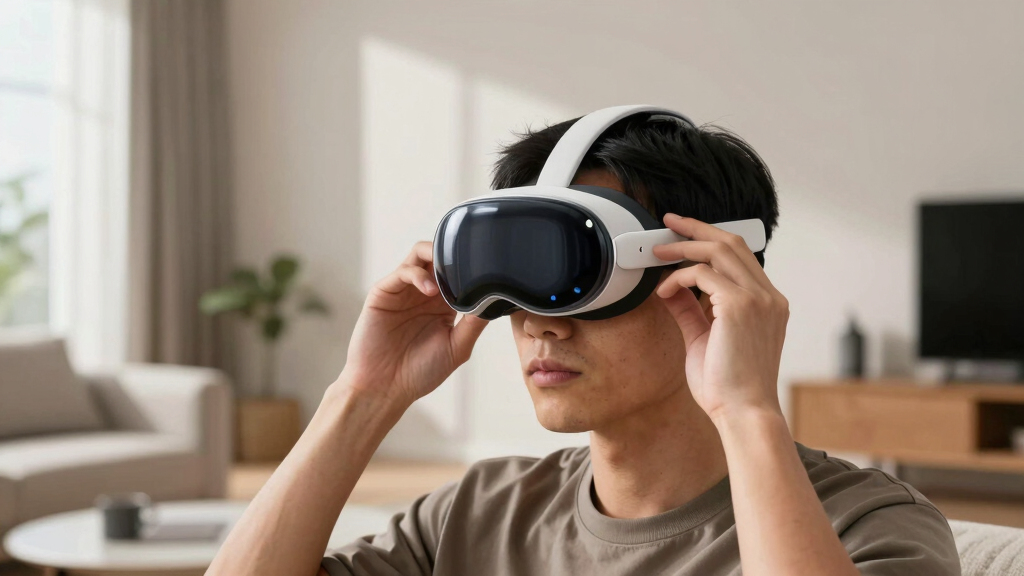
Apple has published detailed technical specifications for third-party motion controllers for Vision Pro, signaling a shift toward more open VR hardware support. This development could influence the future ecosystem of VR peripherals and user experience.
Apple has officially published detailed technical specifications for third-party motion controllers designed for its Vision Pro headset, marking a notable shift toward openness in its VR platform. The guidelines, found in the latest version of Apple’s Accessory Design Guidelines, specify hardware requirements, interface protocols, and design considerations for external controllers, enabling third-party manufacturers to develop compatible devices. This move follows two years of limited support for motion controllers since the headset’s launch, indicating Apple’s response to developer and user feedback.
The new guidelines, introduced in a dedicated section called Spatial Accessories, provide an in-depth technical framework for third-party controllers, covering everything from hardware components to communication protocols. Notably, the specifications detail LED wavelength and radiance standards, as well as example main logic board layouts. Apple’s inclusion of a complete controller example, showcased during a developer session at WWDC, underscores its commitment to fostering an ecosystem of compatible peripherals.
Prior to this, the Vision Pro launched without official support for external motion controllers, leading to speculation about Apple’s hardware strategy. The updated guidelines suggest a deliberate move to open the platform, allowing external controllers to enhance user interaction and expand application possibilities. Apple’s approach appears to balance strict technical standards with flexibility for third-party innovation, potentially broadening the device’s appeal.
Implications for VR Ecosystem Expansion
This development is significant because it signals Apple’s shift toward a more open hardware ecosystem for Vision Pro, which could lead to increased diversity in motion controllers and accessories. Allowing third-party devices may improve user experience by offering more options for interaction, especially in gaming, professional, and creative applications. It also encourages peripheral manufacturers to develop compatible controllers, potentially accelerating innovation and adoption in the VR space.
Furthermore, this move aligns with broader industry trends favoring hardware interoperability and developer flexibility, which could position Apple more competitively against other VR platforms that already support a range of third-party peripherals. The specifications set a high technical bar, aiming to ensure quality and safety while fostering innovation.
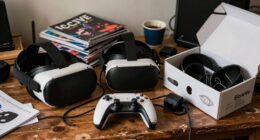
Apple Vision Pro compatible motion controllers
As an affiliate, we earn on qualifying purchases.
As an affiliate, we earn on qualifying purchases.
From Limited Support to Open Ecosystem
When Apple first launched the Vision Pro, it appeared to prioritize a controlled ecosystem, with limited support for external peripherals. The initial focus was on the headset’s built-in sensors and hand-tracking for user interaction. Over time, feedback from developers and users indicated a desire for more versatile input options, especially for gaming and professional workflows. The publication of detailed technical specs for third-party controllers marks a strategic pivot, signaling Apple’s willingness to embrace external hardware support.
This transition reflects a broader industry trend where major VR platforms are increasingly supporting diverse peripherals to enhance user engagement and expand use cases. It also responds to competitive pressures from other VR and AR devices that already support a variety of controllers and accessories.
“Apple’s detailed specifications for third-party controllers could significantly expand the accessory ecosystem for Vision Pro.”
— an anonymous researcher
third-party VR controllers for Vision Pro
As an affiliate, we earn on qualifying purchases.
As an affiliate, we earn on qualifying purchases.
Unclear Impact on Consumer and Developer Adoption
While the specifications are detailed, it is still unclear how quickly third-party controllers will become available and how developers and consumers will respond. The actual market penetration of these controllers depends on manufacturing timelines, certification processes, and consumer demand. Additionally, Apple has not yet announced specific partners or products aligned with these guidelines, leaving the timeline and scope of ecosystem expansion uncertain.
VR motion controllers for Apple Vision Pro
As an affiliate, we earn on qualifying purchases.
As an affiliate, we earn on qualifying purchases.
Next Steps for Controller Development and Adoption
Manufacturers are likely to begin developing controllers based on these specifications, with some prototypes expected to be showcased at upcoming industry events. Apple may also release official certification programs to ensure quality and compatibility. Consumer availability will depend on manufacturer timelines, but the move suggests a gradual expansion of peripheral options over the coming months. Developers will likely update their applications to support these new input devices as they become available.
As an affiliate, we earn on qualifying purchases.
Key Questions
Will third-party controllers improve the VR experience for Vision Pro?
Yes, external controllers could provide more versatile and precise input options, enhancing user interaction in gaming, professional, and creative applications.
When will third-party controllers be available for purchase?
The specifications have been published, but commercial products are not yet announced. Manufacturers are expected to develop prototypes soon, with market availability possibly within the next few months.
What standards must third-party controllers meet to be certified?
Controllers must adhere to the detailed hardware and communication specifications outlined in Apple’s guidelines, including LED standards and interface protocols.
Does this mean Apple is moving away from proprietary hardware?
This move indicates a shift toward supporting external peripherals, but Apple will likely maintain control over core hardware and software integration to ensure quality and security.
How might this affect the price and variety of VR accessories?
Increased competition and innovation could lead to a wider range of controllers at different price points, benefiting consumers and developers alike.
Source: Road to VR
Halloween Picks
halloween
As an affiliate, we earn on qualifying purchases.