
TL;DR

Play games on Amazon Luna for your next adventure, included with Prime
- A rotating selection of games, no download needed
- Play on TV, laptop or phone
- Fast, free delivery for your gear, too
Augmented reality tools are being adopted by heat pump installers to streamline installation processes. Confirmed reports indicate significant reductions in workload and time, promising improvements in efficiency and accuracy.
Heat pump installers are increasingly using augmented reality (AR) tools to cut workload and installation time, according to recent reports. This technological shift is confirmed by industry sources and promises to improve efficiency in the sector, which faces rising demand amid energy transition efforts.
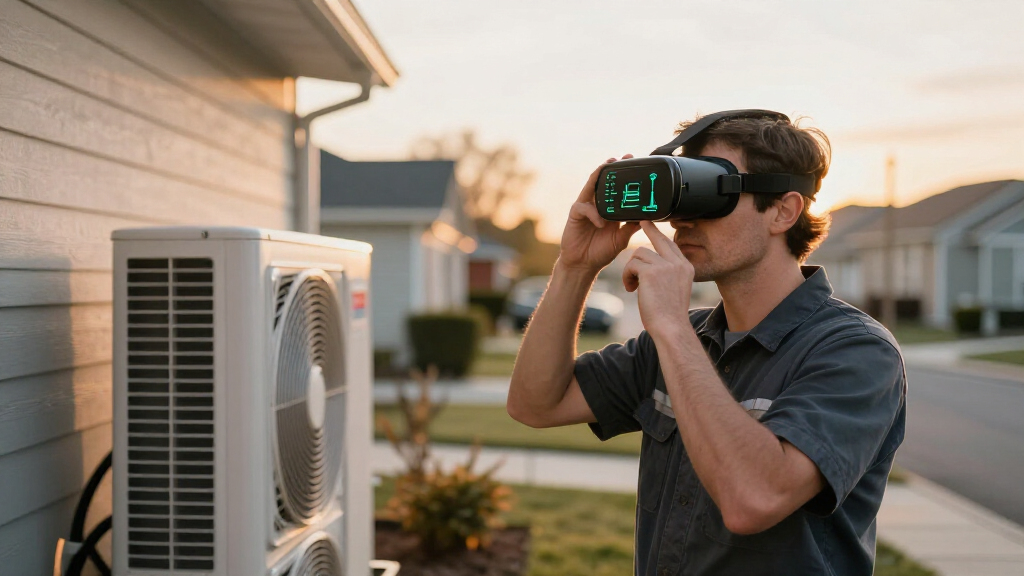
Multiple industry sources confirm that AR headsets and mobile applications are being integrated into heat pump installation workflows. These tools provide real-time, overlayed instructions and visualizations directly onto the physical environment, allowing installers to access detailed schematics, measurements, and troubleshooting tips without consulting paper manuals or digital screens separately.
According to an anonymous industry researcher, pilot programs in several regions have demonstrated that AR can reduce installation times by approximately 20% to 30%. Installers report that AR reduces errors, speeds up the measurement and alignment processes, and decreases the need for rework. These improvements are particularly relevant as the sector faces a labor shortage and increased demand for quick deployment.
Equipment manufacturers and technology providers are developing specialized AR solutions tailored for HVAC and heat pump installation. These systems often include features such as step-by-step guidance, remote expert support, and automatic documentation of the installation process. The adoption is currently in the pilot phase, with broader rollout expected later in 2024.
Field report / Heat pump installation
Augmented Reality Helps Heat Pump Installers Cut Workload and Installation Time
Real-time visual guidance is moving from industrial trials into heat pump installation workflows. Early pilots suggest faster, more accurate work as demand grows and skilled labor remains stretched.
Pilot signal
“About 20% to 30% less installation time.”
Reported by an anonymous industry researcher; pilot results, not an industry-wide benchmark.What AR adds on site
Headsets and mobile apps place instructions and measurements over the physical equipment, keeping reference material close to the task.
From separate manuals to in-place guidance
AR surfaces the next useful detail in the installer’s view, helping teams measure, align, troubleshoot, and document with fewer interruptions.
See the next step
Step-by-step instructions and schematics appear alongside the equipment, reducing the need to switch between the job and a manual.
Measure and align
Visual measurements can speed placement and alignment while helping installers catch mistakes before they lead to rework.
Bring an expert in
Remote support and troubleshooting can connect less experienced workers to specialist knowledge during complex tasks.
Document as work happens
Automatic installation records can strengthen quality checks, compliance evidence, and follow-up service.
Help teams scale
Guided workflows may help newer workers perform more tasks confidently, easing pressure from labor shortages.
Shorter project timelines
Faster, more consistent installs could help contractors meet rising demand while maintaining quality standards.
How an AR-guided job can work
A connected sequence can replace repeated lookups with contextual instructions and a clearer record of each completed step.
Scan the setup
Identify the equipment and work area using a headset or mobile device.
Follow overlays
View schematics, measurements, and task guidance in context.
Check the work
Use visual cues and remote expertise to verify tricky steps.
Save the record
Capture installation details for quality control and service.
Where early gains may come from
Pilot reports describe improvements across several tasks. The supplied reporting does not provide a measured percentage for each individual benefit.
Anonymous pilot reporting puts installation time savings at roughly 20% to 30%. The bars summarize reported directions of change; they are illustrative, not measured comparative data.
Promising pilots, practical questions
Broader adoption depends on proving that solutions work across equipment, teams, and job conditions—and that the gains justify their cost.
A path from trials to routine use
Broader rollout was anticipated after pilot evaluations. Training, software improvements, and further case studies will shape adoption.
Evaluate pilots
Compare time, errors, and quality across different installation settings.
Build training
Help installers learn safe, effective workflows with AR tools.
Improve tools
Refine compatibility, usability, and costs as software matures.
Set guidance
Develop practices for safety, quality, and clear documentation.
What installers and contractors ask
How does AR improve heat pump installation?
It overlays visual guidance, task instructions, and measurements onto the physical equipment, helping reduce errors and speed up work.
Are AR tools widely available now?
Reporting describes pilot and testing programs with select companies. Wider availability depends on how solutions mature and scale.
Can AR replace skilled installers?
No. It may help less experienced workers handle complex tasks, while skilled installers remain essential for judgment and oversight.
What does adoption cost?
Costs include headsets or tablets, software licenses, and training. Pilot reporting suggests time and error savings may help offset them over time.
Are there standards for AR-assisted work?
Regulatory guidance remains limited, and industry groups are beginning to consider safe and effective use guidelines.
Why does this matter now?
Rising heat pump demand, climate policies, and labor shortages increase the value of faster, accurate installations.
Impact of AR on Heat Pump Installation Efficiency
The adoption of augmented reality in heat pump installation could significantly transform the industry by reducing labor costs and accelerating project timelines. This is especially critical as demand for heat pumps increases due to government incentives and climate policies. Faster, more accurate installations can help meet rising market needs while maintaining quality standards. Additionally, AR can help address labor shortages by enabling less experienced workers to perform complex tasks with guidance, potentially expanding the workforce pool.
Furthermore, improved documentation and remote support capabilities can enhance quality control and compliance, reducing post-installation issues. Overall, this technological integration may lead to a more efficient, scalable, and resilient heat pump installation sector, with benefits extending to consumers and contractors alike.
As an affiliate, we earn on qualifying purchases.
Background of AR Use in HVAC Installations
Augmented reality has been gradually introduced into various industrial fields over the past few years, with early applications in manufacturing and maintenance. In the HVAC sector, AR was initially tested for equipment troubleshooting and remote diagnostics. Its use in installation tasks is a newer development, driven by advancements in AR hardware and software, as well as the need for efficiency amid labor shortages and increased demand for energy-efficient heating solutions.
Previous efforts focused on digital manuals and virtual walkthroughs, but recent innovations have enabled real-time overlay of instructions directly onto physical equipment. Pilot programs in Europe and North America have shown promising results, with some companies reporting significant reductions in installation times and errors. These developments are part of a broader trend toward digital transformation in the building services industry.
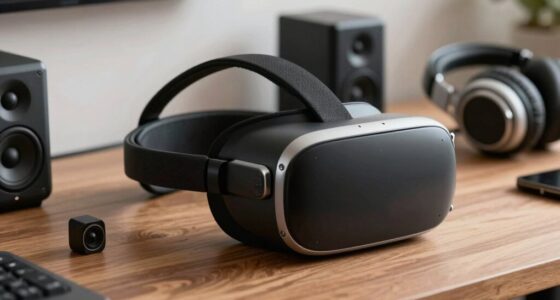
augmented reality tools for heat pump installation
As an affiliate, we earn on qualifying purchases.
As an affiliate, we earn on qualifying purchases.
Unconfirmed Aspects of AR Integration in Industry
While pilot programs report promising results, it is still unclear how quickly AR will be adopted industry-wide and what the long-term cost implications will be. The scalability of these solutions, their compatibility with various equipment brands, and the training required for widespread use remain under evaluation. Additionally, the effectiveness of AR in different geographic or climatic conditions has not yet been fully studied.
It is also uncertain whether regulatory bodies will develop standards for AR-assisted installations or how insurance and liability issues might evolve with increased reliance on augmented reality tools.
AR mobile app for HVAC technicians
As an affiliate, we earn on qualifying purchases.
As an affiliate, we earn on qualifying purchases.
Next Steps for Broader Adoption of AR in Heat Pump Installations
Industry stakeholders expect broader deployment of AR solutions in the second half of 2024, following ongoing pilot evaluations. Larger companies are likely to integrate AR into their standard workflows, supported by ongoing software improvements and decreasing hardware costs. Manufacturers and service providers are also expected to develop training programs to facilitate adoption.
Further research and case studies will help quantify long-term benefits and identify best practices. Regulatory bodies may also begin to establish guidelines to ensure safety and quality standards for AR-assisted installations.
As an affiliate, we earn on qualifying purchases.
Key Questions
How does augmented reality improve heat pump installation?
AR provides real-time visual guidance, step-by-step instructions, and measurements overlayed onto physical equipment, reducing errors and speeding up the process.
Are AR tools widely available for heat pump installers now?
Currently, AR tools are in pilot and testing phases with select companies. Broader availability is expected later in 2024 as solutions mature.
Will AR reduce the need for skilled labor in heat pump installation?
AR can help less experienced workers perform complex tasks more effectively, potentially expanding the workforce but not eliminating the need for skilled installers.
What are the costs associated with adopting AR for installation?
Costs include hardware (AR headsets or tablets), software licenses, and training. Pilot programs suggest these costs may be offset by time savings and error reduction over time.
Are there any regulatory or safety standards for AR-assisted installations?
As of now, standards are still under development, and regulatory guidance is limited. Industry groups are beginning to consider guidelines for safe and effective use.
Source: rss
Fall Picks
fall essentials
As an affiliate, we earn on qualifying purchases.