TL;DR
Open a free Amazon Business account
Business pricing, bulk buying and tax-exempt orders.
Create a free accountAs an affiliate, we earn on qualifying purchases.
Meta has released new images of its next-generation virtual reality device, indicating significant hardware upgrades. The device’s design and features remain largely unconfirmed but suggest a major step forward in VR technology. The development could impact the future of immersive experiences and Meta’s market position.
New images leaked by Meta reveal its next-generation virtual reality device, showcasing a redesigned headset with notable hardware enhancements. The images suggest Meta is preparing to launch a more advanced VR headset, which could significantly influence the immersive technology market. While the device’s full specifications and release date remain unconfirmed, the leak provides the clearest visual insight yet into Meta’s upcoming VR ambitions.
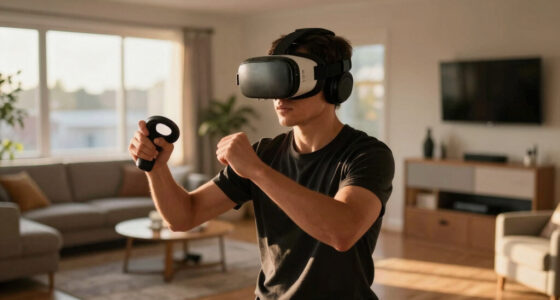
The leaked images, published by Meta and circulated through various tech channels, display a headset with a sleeker, more ergonomic design compared to previous models. The device appears to feature a new form factor with improved comfort, integrated sensors, and a more streamlined visor. The images also hint at upgraded internal hardware, including a likely higher-resolution display and enhanced tracking capabilities, although specific technical details have not been officially disclosed.
Meta has not confirmed the images or provided any official specifications or launch timelines. Industry analysts suggest that the device could be a successor to the Meta Quest Pro or a new flagship VR headset aimed at both consumers and enterprise markets. The company’s focus on hardware innovation aligns with its broader strategy to dominate the metaverse and immersive experiences, but details remain scarce at this stage.
Sources familiar with Meta’s development pipeline indicate that the device is still in testing phases, and a formal announcement or release date has not been set. For more on VR hardware development, see our VR headset overview. The company has previously signaled its commitment to advancing VR hardware, and these leaked images are seen as a sign of imminent product development milestones, but official confirmation is pending.
New Images Show Meta’s Next-Gen Virtual Reality Device
Fresh visuals point to a slimmer, more ergonomic headset with integrated sensors and a streamlined visor. The images sharpen the outline of Meta’s hardware ambitions, but specifications, positioning, price, and release timing remain unconfirmed.
Visible signals versus open questions
The imagery offers useful design evidence, but visual interpretation has limits. The strongest conclusions concern exterior form; the most important performance details remain behind the visor.
Streamlined visor
The headset appears less bulky than earlier premium Meta hardware, suggesting a push toward a cleaner silhouette and improved weight management.
Integrated sensing
Visible sensor placement points toward enhanced spatial awareness and tracking, although sensor types and performance are not disclosed.
Sharper display
A higher-resolution display would fit Meta’s product direction, but the images provide no verified panel technology or resolution figures.
What is known—and what is not
The distinction matters: a compelling industrial design can shape expectations well before engineering specifications and commercial plans are ready for publication.
| Topic | Current signal | Confidence | What remains missing |
|---|---|---|---|
| Exterior design | ✓Sleeker headset form is visible | Strong visual evidence | Final materials, weight, and dimensions |
| Comfort | ~Ergonomic intent appears likely | Reasonable inference | Fit testing, balance, and long-session comfort |
| Displays and optics | ~Improvement is anticipated | Unconfirmed expectation | Resolution, refresh rate, field of view, and lens type |
| Tracking | ~Enhanced sensing is suggested | Partly image-based | Camera array, precision, latency, and eye tracking |
| Launch plan | ?No official timeline | Unknown | Announcement date, price, regions, and availability |
| Software compatibility | ?No confirmation | Unknown | Quest library support and ecosystem requirements |
How a redesign could move the market
Hardware progress matters only when it translates into a better experience, stronger adoption, and a more defensible ecosystem.
Refined hardware
A lighter-looking visor and integrated sensors raise expectations for better wearability and tracking.
Better experience
Comfort, clarity, and responsive interaction could make longer immersive sessions more practical.
Wider adoption
A convincing product could attract more consumers while strengthening enterprise use cases.
Competitive pressure
Apple, Sony, and other headset makers would face a higher benchmark for performance and value.
Where the story is most developed
This scale reflects the maturity of publicly available signals described in the report, not measured product performance.
Meta’s VR hardware arc
The new imagery follows a decade-long effort to move virtual reality from specialist hardware toward accessible, self-contained immersive computing.
Oculus acquisition
Meta, then Facebook, acquired Oculus and established a long-term position in consumer virtual reality.
Quest 2 expansion
Standalone design, performance, and approachable pricing helped broaden the addressable VR audience.
Quest Pro
Mixed reality, improved optics, and professional positioning tested a more advanced product tier.
New device images
A refined form suggests continued work on ergonomics, sensing, visual quality, and immersion.
The announcements that will define the device
The next meaningful milestone is not another image. It is a complete product proposition that connects hardware capability, software value, and price.
Display, compute, tracking
Resolution, optics, processor, battery life, sensors, and latency will determine the real generational leap.
Consumer or enterprise
Product naming, use cases, and pricing will show whether Meta is pursuing scale, premium capability, or both.
Software continuity
Compatibility with existing Quest content and new mixed-reality features could shape adoption at launch.
The images are a meaningful signal of Meta’s direction, but the device’s market impact cannot be judged until specifications, software support, pricing, and availability are confirmed.
Implications for VR Market and Meta’s Strategy
The unveiling of new images of Meta’s next-gen VR device signals a potential breakthrough in hardware design and performance, which could bolster Meta’s position in the competitive VR industry. Improved hardware features may lead to wider adoption among consumers and enterprise users, accelerating the growth of immersive digital environments. This development also underscores Meta’s ongoing investment in the metaverse, aiming to establish a dominant presence in virtual reality and augmented reality spaces.
For consumers, the new device could mean a more comfortable, higher-quality VR experience, potentially increasing user engagement and satisfaction. For competitors, the leak raises expectations for Meta’s upcoming hardware and could intensify industry rivalry, particularly with companies like Apple and Sony. Overall, this development is a key indicator of the evolving VR landscape and Meta’s strategic priorities.
As an affiliate, we earn on qualifying purchases.
Background on Meta’s VR Hardware Evolution
Meta has been a major player in virtual reality hardware since acquiring Oculus in 2014, with its Quest line becoming popular for standalone VR experiences. The Quest 2, launched in 2020, marked a significant milestone with improved affordability and performance, helping to expand the VR user base. In recent years, Meta has emphasized hardware innovation, including the development of the Quest Pro, aimed at professional and enterprise markets, with features like mixed reality capabilities and improved optics.
Leaks and rumors about a next-generation headset have circulated for months, fueling anticipation. The company’s focus has been on refining hardware ergonomics, increasing display resolution, and enhancing tracking precision, all aimed at creating a more immersive experience. The recent images appear to confirm that Meta is progressing toward these goals, although official details are still forthcoming.
As an affiliate, we earn on qualifying purchases.
Unconfirmed Details and Development Status
While the leaked images provide a clear visual of the headset’s design, technical specifications, such as display resolution, processing power, and tracking capabilities, remain unconfirmed. Meta has not announced an official release date or detailed product specs, and it is unclear whether the device will be a consumer-focused product, an enterprise solution, or both. The timeline for potential launch is still uncertain, with sources indicating the device may still be in testing or prototype phases.
Additionally, some industry observers question whether the hardware enhancements will meet the expectations set by the leaked images, or if further modifications are planned before the official launch. As of now, the full scope of the device’s capabilities and its market positioning are still evolving.
As an affiliate, we earn on qualifying purchases.
Upcoming Announcements and Product Launch Expectations
Meta is expected to make an official announcement about the new VR device in the coming months, possibly at its annual developer conference or a dedicated hardware event. Industry insiders anticipate that the company will reveal detailed specifications, pricing, and availability during this period. The company may also showcase software and ecosystem enhancements to complement the hardware upgrade.
In the meantime, analysts and consumers will closely monitor any further leaks or official teasers. The device’s success will depend on how well it meets the expectations set by these early visuals and whether Meta can deliver on hardware improvements at a competitive price point. The upcoming months will be critical in determining the device’s impact on the VR landscape and Meta’s strategic trajectory.
As an affiliate, we earn on qualifying purchases.
Key Questions
What are the main design changes in Meta’s next-gen VR headset?
The leaked images suggest a sleeker, more ergonomic design with an improved visor, integrated sensors, and a streamlined form factor aimed at enhancing comfort and hardware performance.
When is Meta likely to officially announce or release this device?
While no official date has been announced, industry sources speculate a reveal could occur at Meta’s upcoming events within the next few months, with possible release later in the year.
What hardware improvements are expected in the new headset?
Based on the images, anticipated upgrades include higher-resolution displays, better tracking and sensors, and possibly more powerful processing hardware, though official specs are not yet confirmed.
How might this device impact the VR industry?
If successful, the new headset could set new standards for comfort and performance, boosting consumer and enterprise adoption and increasing competition among VR headset manufacturers.
Will this device support existing VR software and ecosystems?
It remains unclear whether the new headset will be backward compatible with current Meta VR platforms or introduce new software ecosystems, as official details are still pending.
Source: rss
NFL season / tailgating Picks
team gear
As an affiliate, we earn on qualifying purchases.