
TL;DR

Play games on Amazon Luna for your next adventure, included with Prime
- A rotating selection of games, no download needed
- Play on TV, laptop or phone
- Fast, free delivery for your gear, too
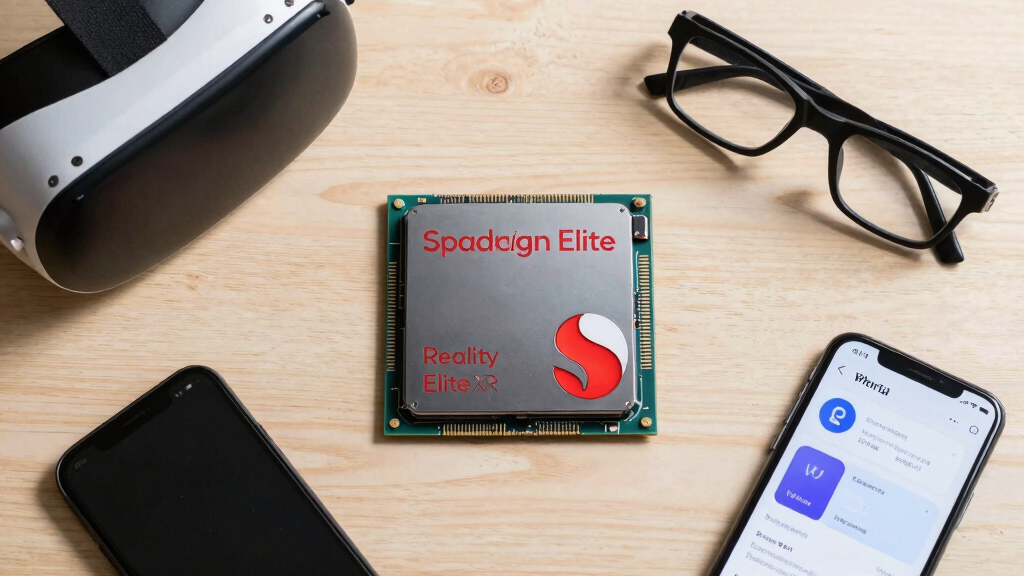
Qualcomm has announced Snapdragon Reality Elite, a new flagship XR chipset designed for high-performance standalone and tethered XR devices. It will debut in Xreal’s Aura headset this fall, offering substantial GPU, CPU, and AI improvements.
Qualcomm has announced Snapdragon Reality Elite, its newest flagship XR chipset, which will debut in Xreal’s Aura Android XR headset this fall. The new chipset is designed to support multiple form factors, including standalone headsets and tethered compute pucks, and aims to significantly improve performance and power efficiency for high-end XR devices.
Snapdragon Reality Elite is a major upgrade over Qualcomm’s previous flagship, the Snapdragon XR2+ Gen 2. It offers 60% greater GPU performance, 30% higher CPU performance, and 160% increased NPU capabilities for machine learning tasks, with an NPU capable of 48 TOPS. The chipset features an expanded Engine for Visual Analytics (EVA) block, enabling faster computer vision processing such as 3D environment reconstruction.
It also improves visual passthrough with 10% lower photon-to-photon latency, 33% less power consumption, and noise reduction enhancements. The chipset supports faster storage (UFS 4.0), higher RAM speeds (up to 4.2 GHz), and includes built-in support for dual USB 3.1 ports and Bluetooth 6.0. Qualcomm claims the chip achieves 20% longer battery life compared to its predecessor and runs up to 12°C cooler under load, making it suitable for pocket-sized tethered pucks.
Qualcomm states that the increased NPU performance enables on-device AI experiences such as photorealistic avatars, large language model (LLM) agents, and real-time 3D object generation. The first confirmed device to feature Snapdragon Reality Elite is Xreal’s Aura Android XR headset, expected to ship this fall, with other manufacturers like Play For Dream also planning to adopt the chip in upcoming products.
Potential Impact on High-End XR Devices
The announcement of Snapdragon Reality Elite marks a significant step in advancing XR hardware capabilities. Its performance improvements could enable more immersive, realistic experiences, and on-device AI processing could reduce reliance on cloud services, improving latency and privacy. This development positions Qualcomm as a key player in the high-end XR market, potentially influencing the design and performance of future standalone and tethered headsets.
XR headset with Snapdragon Reality Elite chipset
As an affiliate, we earn on qualifying purchases.
As an affiliate, we earn on qualifying purchases.
Evolution of Qualcomm’s XR Chipsets
Qualcomm’s XR chipsets have powered most non-Apple standalone headsets since the XR2+ Gen 2, used in products like Samsung Galaxy XR, Play For Dream MR, and Sony’s enterprise headsets. The Snapdragon Reality Elite represents a major generational leap, with performance gains and feature enhancements aligning with industry demands for more capable and versatile XR hardware. The chip’s unveiling at the AWE expo underscores its importance in the upcoming wave of high-performance XR devices.
“Snapdragon Reality Elite is designed to support multiple form factors and deliver substantial performance and efficiency improvements for XR devices.”
— Qualcomm spokesperson
high-performance standalone VR headset
As an affiliate, we earn on qualifying purchases.
As an affiliate, we earn on qualifying purchases.
Unconfirmed Performance and Developer Adoption
While Qualcomm has provided performance estimates and claimed significant enhancements, real-world performance in various device form factors remains unverified. It is also unclear how developers will leverage the expanded EVA block for real-time scene meshing without additional hardware sensors, and whether upcoming headsets will fully realize these capabilities. Additionally, the impact of thermal management in pocket-sized tethered pucks is still under question, as Qualcomm declined to specify performance differences in different form factors.
tethered XR device with AI capabilities
As an affiliate, we earn on qualifying purchases.
As an affiliate, we earn on qualifying purchases.
Upcoming Devices and Developer Opportunities
The first device confirmed to feature Snapdragon Reality Elite is Xreal’s Aura Android XR headset, expected to launch this fall. Other manufacturers, such as Play For Dream, have announced plans to incorporate the chipset into their future flagship headsets. Industry observers anticipate that hands-on reviews and developer tools will clarify the chipset’s real-world performance and the extent of new AI and visual capabilities. Further announcements about additional devices and software support are likely in the coming months.
As an affiliate, we earn on qualifying purchases.
Key Questions
When will devices with Snapdragon Reality Elite be available?
The first confirmed device, Xreal’s Aura Android XR headset, is expected to ship this fall. Other manufacturers are planning to adopt the chipset in upcoming products, but specific release dates have not been announced.
What are the main improvements over previous XR chipsets?
Snapdragon Reality Elite offers approximately 60% higher GPU performance, 30% higher CPU performance, and 160% greater NPU capabilities for machine learning tasks. It also supports faster storage, higher RAM speeds, and enhanced visual passthrough features, along with improved power efficiency and thermal management.
How will this affect the development of XR applications?
The increased processing power and AI capabilities are expected to enable more complex and realistic experiences, including real-time scene meshing, advanced AI avatars, and immersive visual effects, potentially expanding the scope of what developers can create for XR platforms.
Will the chip perform well in pocket-sized tethered pucks?
Qualcomm claims the chip runs up to 12°C cooler under load and offers longer battery life, making it suitable for pocket-sized tethered pucks. However, the actual performance will depend on device design and thermal management, which remains to be seen in upcoming hardware.
What is the significance of the EVA block expansion?
The expanded Engine for Visual Analytics (EVA) block aims to accelerate computer vision tasks such as environment reconstruction and scene meshing. While Qualcomm suggests it could enable real-time scene meshing without dedicated sensors, actual performance will depend on developer implementation and software optimization.
Source: UploadVR
Halloween Picks
halloween
As an affiliate, we earn on qualifying purchases.