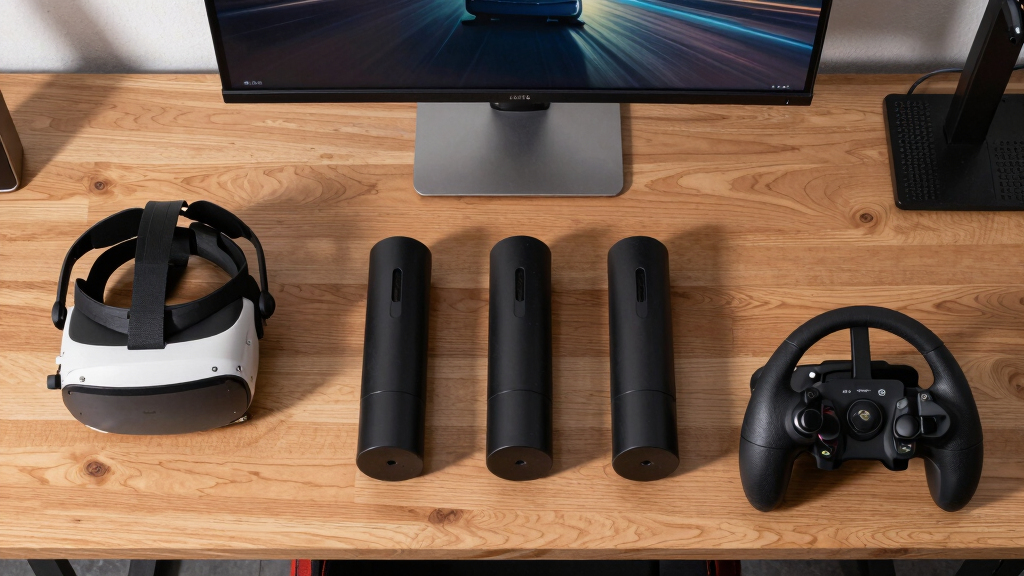

Choosing the right bass shaker kit for VR sim racing can significantly boost immersion, but the best choice depends on your setup and preferences. For those seeking a compact, easy-to-install solution, the Dayton Audio TT25-8 offers realistic tactile feedback without overwhelming sound levels. If raw power and impact are your priorities, the Earthquake Sound Q10B delivers deep, forceful vibrations suited for high-end setups. Meanwhile, the Dayton BST-300EX strikes a balance with high power and versatility, perfect for turning furniture into immersive audio platforms. Each option involves tradeoffs: size, power, cost, and installation complexity vary, so I’ll break down what each brings to your VR racing experience.

Play games on Amazon Luna for your next adventure, included with Prime
- A rotating selection of games, no download needed
- Play on TV, laptop or phone
- Fast, free delivery for your gear, too
Key Takeaways
- Powerful transducers like the Earthquake Q10B excel in delivering deep, impactful vibrations but require compatible systems and can be overkill for casual setups.
- Compact options like the Dayton TT25-8 are easy to install and suitable for smaller surfaces, but offer less raw power and impact.
- Versatile units such as the Dayton BST-300EX provide a good middle ground with high power and flexible mounting options, ideal for immersive racing seats.
- Lower wattage models like the Douk Audio BS-2 are more affordable and customizable but might need multiple units for full effect.
- Choosing the right kit depends on your setup’s size, power capacity, and how intense you want the tactile feedback to be.

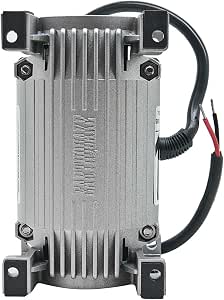


| bass shaker kits for VR sim racing | Impedance |
|---|---|
| Dayton Audio TT25-8 Puck Tacti | 8 Ohm |
| Earthquake Sound Q10B 1000 Wat | — |
| Dayton Audio BST-300EX Tactile | 4 Ohms |
| Douk Audio BS-2 Bass Shaker | 4Ω |
| Dayton Audio BST-1 High Power | 4 ohms |
More Details on Our Top Picks
Dayton Audio TT25-8 Puck Tactile Transducer Mini Bass Shaker 8 Ohm (4 Pack)
The Dayton Audio TT25-8 Puck stands out for its compact size and straightforward installation, making it a practical choice for users with limited space or those new to tactile setups. It provides realistic bass sensations that enhance immersion without overwhelming your senses. Compared with larger transducers, it won’t produce the deepest vibrations, but it’s reliable and simple to mount on flat surfaces. Its main drawback is that it requires a flat surface for optimal placement, limiting its use to certain areas. This pick makes the most sense for casual racers or those experimenting with tactile feedback on a budget.
Pros:- Provides realistic tactile bass feedback
- Easy to install with included mounting rings
- Compact and reliable design
Cons:- Requires flat surface for optimal placement
- Limited to tactile feedback, not for audio output
Best for: Beginners or space-conscious users who want a simple, effective tactile experience
Not ideal for: Users seeking intense, full-body vibrations or large-scale setups
- Impedance:8 Ohm
- Quantity:4 Pack
- Application:Surface mounting for tactile feedback
Our verdict“A compact, easy-to-install option perfect for casual VR racing setups, but limited in power.”
Earthquake Sound Q10B 1000 Watts Low Frequency Effects Tactile Transducer
The Earthquake Sound Q10B delivers serious low-frequency vibrations with its 1000-watt power rating. This makes it highly effective at producing deep, visceral feedback that truly immerses you in racing, flight, or VR scenarios. Its rugged aluminum construction and universal mount make it suitable for a permanent or semi-permanent setup. Compared with less powerful options, the Q10B offers unmatched impact, but it requires a robust amplifier and a system capable of handling its high power. It’s not ideal for casual users or those with limited space, as its impact can be overwhelming without proper control. This model is better suited to high-end rigs or enthusiasts who want the most intense feedback possible.
Pros:- Delivers powerful low-frequency effects for immersive experiences
- Universal mounting options for versatile setup
- Rugged, maintenance-free aluminum construction
Cons:- Designed primarily for specialized audio setups, may not suit casual users
- Requires compatible system for optimal performance
Best for: Enthusiasts with high-power systems seeking maximum tactile impact
Not ideal for: Casual users or setups with limited amplifier capacity
- Power:1000 Watts
- Frequency Range:Down to 5Hz
- Excursion:2 inches at 22Hz
- Mounting:Universal mount included
- Construction:Aluminum alloy
Our verdict“The go-to choice for serious VR racers wanting deep, impactful vibrations, provided their system can handle it.”
Dayton Audio BST-300EX Tactile Bass Shaker, 300 Watts RMS, 4 Ohms Impedance
The Dayton Audio BST-300EX offers a high-power experience with 300 watts RMS, turning furniture or surfaces into immersive vibration platforms. Its easy integration with amplifiers and versatile mounting options make it suitable for both gaming and home theater setups. Compared with smaller units, it provides deeper, more impactful bass, but it requires a compatible amplifier and may produce a more intense experience than some users want. This makes it ideal for those who want serious tactile feedback without going to the extremes of ultra-high-power transducers. It strikes a good balance between power and usability for most VR racers looking to boost immersion.
Pros:- Delivers powerful tactile bass for immersive audio experiences
- Easy to integrate with existing audio systems
- Versatile mounting options for various surfaces
- Backed by a 5-year warranty
Cons:- Requires compatible amplifier for optimal performance
- May be too intense for sensitive users
Best for: Users seeking a high-power, versatile tactile shaker for immersive racing experiences
Not ideal for: Casual racers or those with limited space or amplifier capacity
- Max Watts:300 Watts
- Impedance:4 Ohms
Our verdict“A solid choice for VR racers wanting high-impact tactile feedback without the complexity of ultra-high-power units.”
Douk Audio BS-2 Bass Shaker – 30W Tactile Transducer for Sim Racing, Home Theater, DIY Setup (Pair)
The Douk Audio BS-2 provides 30W of power in a durable aluminum housing, making it a flexible choice for DIY enthusiasts. Its small size and simple wiring allow for custom configurations, whether mounted on seats, furniture, or even built into racing rigs. Though not as powerful as larger transducers, it offers consistent tactile feedback suitable for moderate immersive experiences. It’s perfect for users who want to experiment with tactile feedback in different environments and are willing to set up multiple units for full-body sensation. The main tradeoff is that it may not deliver the intense impact of higher wattage models, but its affordability and flexibility compensate well for casual or intermediate setups.
Pros:- Provides strong tactile feedback for immersive experiences
- Durable aluminum housing with heat dissipation
- Flexible mounting options for customized setups
- Affordable for multiple units
Cons:- Requires compatible amplifier for best results
- May need multiple units for extensive tactile effects
Best for: DIYers and those needing flexible, customizable tactile feedback solutions
Not ideal for: Users seeking maximum impact or high-end professional setups
- Power:30W
- Impedance:4Ω
- Housing Material:Aluminum
Our verdict“A versatile, budget-friendly option for DIY projects or moderate VR racing setups, with room for expansion.”
Dayton Audio BST-1 High Power Pro Tactile Bass Shaker 50 Watts RMS, 4 Ohms
The Dayton Audio BST-1 offers an 8-inch driver capable of delivering deep, resonant vibrations with 50 watts RMS. Its straightforward wired connection and bass boost feature make it easy to add impactful tactile feedback to any gaming or home theater setup. While its power is less than the Q10B or BST-300EX, it’s still a solid performer for most VR racing environments. Its simple design and 5-year warranty make it a reliable, accessible choice, though it’s less suited for very large or high-impact setups. This model is ideal for users wanting a balance of power, ease of use, and affordability.
Pros:- Delivers powerful tactile bass for immersive experiences
- Easy to integrate with existing systems
- Versatile mounting options
- Long warranty for peace of mind
Cons:- Limited water resistance (not outdoor suitable)
- Requires wired connection
- Power may be insufficient for very large spaces
Best for: Gamers or racers seeking a straightforward, powerful tactile shaker
Not ideal for: Enthusiasts needing ultra-high power or wireless options
- Max Watts:50 watts
- Impedance:4 ohms
- Speaker Diameter:8 inches
Our verdict“A reliable, powerful tactile shaker that balances performance with simplicity for most VR racing setups.”

How We Picked
Our selection process focused on a combination of power, ease of installation, versatility, and suitability for VR sim racing environments. We prioritized products that deliver meaningful tactile feedback, are compatible with common VR and racing setups, and offer clear tradeoffs between size, power, and price. Each product was evaluated against its intended role—whether as a compact solution, high-impact powerhouse, or versatile platform—ensuring that every pick has a distinct strength and a corresponding drawback. We also considered user reviews and technical specifications to gauge real-world performance and reliability.
Factors to Consider When Choosing Best Bass Shaker Kits For VR Sim Racing
Selecting the ideal bass shaker kit for VR sim racing hinges on understanding your space, system compatibility, and desired intensity. The most important factors include power output, ease of installation, and mounting flexibility. Whether you prefer a compact unit that fits seamlessly into a small setup or a high-powered transducer that delivers deep, visceral vibrations, your choice should match your racing style and environment. The following sections break down key considerations to help you find the perfect tactile feedback solution.Power and Impact
The core of any bass shaker kit is its ability to produce impactful vibrations. High-wattage transducers like the Earthquake Q10B or Dayton BST-300EX excel at delivering deep, forceful feedback that can make racing feel intensely real. However, they also require compatible amplifiers and space to accommodate their size and power needs. For casual VR racers or smaller setups, lower wattage units like the Dayton TT25-8 or Douk BS-2 provide sufficient feedback without overwhelming your system or budget. Aim for a balance that matches your desired level of immersion and your system’s capabilities.
Size and Mounting
Size and mounting options significantly influence ease of setup. Compact units like the Dayton TT25-8 are straightforward to install on various flat surfaces but are limited in impact. Larger or more powerful units such as the Dayton BST-300EX or Earthquake Q10B can turn furniture or seats into immersive vibrating platforms but need more space and careful mounting. Ensure your chosen product offers versatile mounting options compatible with your racing seat or platform, especially if you plan to integrate it into a custom rig.
Compatibility and Ease of Use
Most tactile transducers require an amplifier capable of handling their power ratings. Check your existing audio or gaming system’s compatibility before purchasing. Some models, like the Dayton BST-1 or Douk BS-2, are designed for straightforward integration and are suitable for DIYers. Be aware that higher-power models might need additional wiring, mounting hardware, or calibration to prevent over-vibration or damage. Simpler setups benefit from products that include mounting hardware and have clear wiring instructions.
Price and Value
Prices vary widely based on power, size, and build quality. Budget options like the Dayton TT25-8 or Douk BS-2 offer good tactile feedback at a lower cost, especially if you’re just starting out. More powerful units like the Earthquake Q10B or Dayton BST-300EX command higher prices but provide a more visceral experience. Consider whether you want a single unit or multiple for full-body effects, and balance your budget accordingly. Warranties and brand reliability are also key factors in assessing value.
Frequently Asked Questions
Do I need an amplifier to use a bass shaker kit?
Most bass shakers, especially those with higher power ratings, require an external amplifier to operate effectively. The amplifier boosts the low-frequency signals to produce impactful vibrations without damaging the transducer. Check the wattage and impedance specifications of your shaker to ensure your amplifier matches these requirements. Some smaller or lower-power units, like the Dayton TT25-8, can be driven directly from certain audio outputs, but an amplifier generally provides more control and power for immersive effects.
Can I use these shakers with my existing VR setup?
Yes, most tactile transducers can be integrated into a VR setup, but compatibility depends on your system’s audio output and available power sources. Units like the Dayton BST-300EX or Earthquake Q10B are compatible with standard amplifiers and can be wired into your gaming rig or home theater. Some users connect multiple shakers to their audio system to create full-body sensations. Always verify the power and mounting options to ensure they fit your existing equipment and space constraints.
Are high-wattage shakers better for VR sim racing?
Higher wattage shakers such as the Earthquake Q10B or Dayton BST-300EX deliver more intense vibrations, which can significantly enhance immersion. However, they also require more sophisticated system setups, including powerful amplifiers and secure mounting. For casual racers or those with limited space, a lower wattage unit might suffice and be easier to manage. Ultimately, the best choice depends on your desired level of impact and your system’s capacity to handle high-power transducers.
How many shakers should I use for optimal VR racing feedback?
The number of shakers depends on your setup and the experience you want to create. A single unit can provide noticeable feedback, but for a full-body sensation, multiple units—placed on your seat, floor, or furniture—are recommended. For most VR sim racing, two units—one under the seat and another on the floor—offer a balanced, immersive feeling. If you want a more intense or comprehensive experience, adding more units can help, but be prepared for increased complexity and cost.
Can I use these shakers outdoors or in water-resistant setups?
Most tactile transducers are not waterproof or designed for outdoor use. They are intended for indoor, dry environments where they can be mounted securely on surfaces. If you plan to use a shaker outdoors, look specifically for models with water-resistant or outdoor-rated housings. For typical VR sim racing, indoor use suffices, and outdoor exposure should be avoided to prevent damage and ensure safety.
Conclusion
For casual VR sim racers or those new to tactile feedback, compact models like the Dayton TT25-8 offer an easy entry point with reliable performance. Enthusiasts seeking maximum impact and realism will find high-power options such as the Earthquake Q10B or Dayton BST-300EX better suited, provided their system can handle the power requirements. DIY builders or users with limited space may prefer flexible, smaller units like the Douk BS-2, which can be combined for full-body sensations. Ultimately, your choice depends on your budget, space, system compatibility, and how intense you want your VR racing vibrations to be.
Fall Picks
fall essentials
As an affiliate, we earn on qualifying purchases.