
TL;DR
HORECFEX Vietnam 2026 unveiled advanced virtual reality and AI robot solutions aimed at transforming Vietnam’s hospitality sector. The event highlights the country’s focus on innovative tech adoption, though some details remain unconfirmed.
The HORECFEX Vietnam 2026 exhibition has prominently showcased innovative virtual reality and AI robot technologies designed for the hospitality industry, emphasizing Vietnam’s commitment to digital transformation in this sector. The event, attended by industry leaders and technology providers, highlights the country’s focus on adopting cutting-edge solutions to enhance guest experiences and operational efficiency.

Play games on Amazon Luna for your next adventure, included with Prime
- A rotating selection of games, no download needed
- Play on TV, laptop or phone
- Fast, free delivery for your gear, too
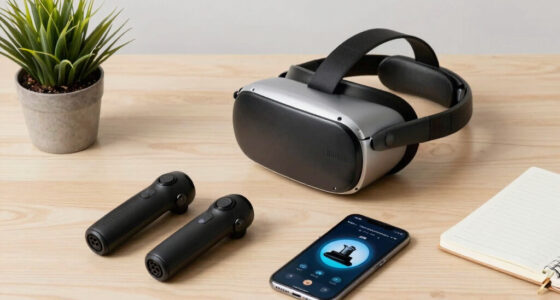
At HORECFEX Vietnam 2026, several companies demonstrated advanced virtual reality systems aimed at training staff and offering immersive guest experiences. These VR solutions include virtual tours and interactive training modules, which officials say could reduce costs and improve service quality.
Additionally, the exhibition featured AI-powered robots designed for hospitality applications, such as service delivery, concierge functions, and cleaning. According to organizers, these robots are being tested in select Vietnamese hotels to streamline operations amid labor shortages.
While specific product names and deployment timelines were not confirmed, industry experts note that Vietnam is rapidly embracing these technologies to modernize its hospitality industry, seeking to compete with regional peers increasingly reliant on digital solutions.
From Virtual Reality to AI Robots: Hospitality’s Next Operating System
HORECFEX Vietnam 2026 placed immersive training, virtual guest experiences and service robotics at the center of Vietnam’s hospitality transformation. The ambition is clear: improve efficiency, elevate service and compete in an increasingly digital regional tourism market.
A Three-Part Technology Ecosystem
The exhibition connected guest-facing innovation with workforce development and back-of-house automation—three areas that could reshape how Vietnamese hotels operate.
Immersive Hotel Tours
Prospective guests can explore rooms, facilities and destinations before booking, creating a more visual and confidence-building discovery experience.
Interactive Staff Training
Scenario-based VR modules could standardize instruction, simulate service situations and reduce the cost of repeated physical training exercises.
Automated Hotel Tasks
Service delivery, concierge assistance and cleaning robots are being explored as operational support amid labor shortages and rising service expectations.
From Exhibition Floor to Hotel Operations
The practical journey depends on pilot evidence. Cost, system integration, guest acceptance and workforce readiness will determine whether demonstrations become everyday infrastructure.
Showcase
Providers demonstrate immersive systems and hospitality robots.
Hotel Pilots
Select properties test defined service and operational use cases.
Measure
Teams assess cost, reliability, service quality and guest response.
Scale
Successful trials inform wider adoption and potential policy support.
Promise Is High. Proof Is Still Developing.
The strongest opportunities are visible, but deployment details remain incomplete. The industry’s next task is to convert technology enthusiasm into measurable operating outcomes.
| Technology | Primary Use | Potential Benefit | Current Stage | Open Question |
|---|---|---|---|---|
| VR hotel tours | Pre-booking exploration | ✓ Stronger guest engagement | ~ Demonstrated | Conversion impact |
| VR staff training | Scenario simulation | ✓ Consistency and lower training cost | ~ Demonstrated | Content and hardware cost |
| Service robots | Item and amenity delivery | ✓ Faster routine service | ~ Select pilots reported | Reliability at scale |
| Concierge robots | Guest information | ~ Always-on assistance | ✗ Broad rollout unconfirmed | Language and service quality |
| Cleaning robots | Repetitive facility tasks | ✓ Operational efficiency | ~ Testing phase | Cost and workforce impact |
✓ clear potential ~ developing evidence ✗ not yet confirmed
Opportunity Profile
Directional assessment based on the reported use cases—not measured event results.
Market Readiness
Vietnam appears to be moving from experimentation toward structured pilots.
The Transformation Logic
Technology alone is not the outcome. Value emerges only when pilots create evidence, evidence guides integration and integration improves both service and operations.
VR + AI Robotics
Immersive tools and automated service systems enter hotel trials.
Selected Properties
Use cases are evaluated in real hospitality environments.
Operational Results
Cost, quality, reliability and acceptance are measured.
Regional Advantage
Validated systems support a smarter tourism economy.
Specific product names, rollout schedules and participating hotel counts were not confirmed.
Hardware costs, maintenance needs and return on investment require pilot data.
Balanced integration and employee transition planning remain central industry concerns.
Impact of VR and AI Robots on Vietnam’s Hospitality Sector
This development signals a strategic move by Vietnam to modernize its hospitality industry through technology. The adoption of VR and AI robots could lead to increased efficiency, improved guest experiences, and a competitive edge in regional tourism markets. However, the extent of deployment and integration remains to be seen, and questions about cost, scalability, and workforce impact are still open.
Products Worth Considering

DJI Osmo Mobile 8 3-Axis Phone Gimbal Stabilizer

Apple Watch SE 3 GPS 44mm Smartwatch

Jackery Solar Generator 1000 v2 with Two 100W Solar Panels, 1024Wh LiFePO4 Battery
As an affiliate, we earn on qualifying purchases.
Vietnam’s Digital Transformation in Hospitality
Vietnam has been gradually integrating digital solutions into its tourism and hospitality industries, aiming to boost competitiveness and adapt to changing consumer expectations. Previous initiatives included adopting online booking platforms and contactless services, but the emphasis on VR and AI robotics marks a new phase of technological innovation. The event aligns with broader regional trends where countries are investing heavily in smart tourism infrastructure.
“Vietnam is increasingly leveraging VR and AI robotics to enhance operational efficiency and guest engagement, positioning itself as a tech-forward tourism destination.”
— an anonymous industry expert
Unconfirmed Details on Deployment and Impact
It is not yet clear how widely these VR and AI robot solutions will be adopted across Vietnam’s hospitality industry. Specific timelines, costs, and the scale of deployment remain unconfirmed. Additionally, the long-term impact on employment and service quality is still under discussion among industry stakeholders.
Next Steps for Technology Adoption in Vietnam’s Hospitality
Industry officials and participating companies plan to conduct pilot programs in select hotels over the coming months. Results from these trials will likely influence broader adoption strategies. Further announcements on deployment timelines and government support are expected to be made at upcoming industry conferences and government briefings.
Key Questions
What types of VR technologies were showcased at HORECFEX Vietnam 2026?
Several virtual reality solutions were demonstrated, including immersive hotel tours, staff training modules, and guest experience simulations, aimed at enhancing service quality and operational efficiency.
Are AI robots currently operational in Vietnamese hotels?
Some AI-powered robots are in testing phases within select hotels, primarily for service delivery and cleaning functions, but widespread deployment has not yet been confirmed.
How might these technologies impact employment in Vietnam’s hospitality industry?
While automation could improve efficiency, concerns about job displacement are ongoing, with industry experts calling for balanced integration to support workforce transition.
Will the government support the adoption of these new technologies?
Officials have indicated interest in supporting digital transformation initiatives, but specific policies or funding programs related to VR and AI robotics are still under development.
When will these technologies be widely available in Vietnamese hotels?
Deployment timelines vary; pilot programs are expected to run over the next few months, with broader adoption potentially occurring within one to two years depending on pilot success and industry readiness.
Source: rss