VR controllers with haptic feedback range from simple grip rumble to full-body haptics, and the right pick depends on how deep you want that immersion to go. For most buyers, the Right Hand Controller for Meta Quest 3 / 3S (Touch Plus) is the best overall choice, because it restores the exact haptic feel Quest owners already know with no setup friction. If you want haptics that extend beyond your hands, the bHaptics TactSuit Pro turns game audio into chest and back feedback, while the budget-friendly bHaptics TactSuit Air offers a lighter entry into wearable haptics. The main tradeoff in this category is precision versus coverage: handheld controllers deliver precise trigger-level feedback, while vests deliver broad, lower-resolution sensations across the torso. Keep reading for the full breakdown of all nine options.

Play games on Amazon Luna for your next adventure, included with Prime
- A rotating selection of games, no download needed
- Play on TV, laptop or phone
- Fast, free delivery for your gear, too
Key Takeaways
- Half of this lineup isn’t handheld at all: the three bHaptics vests and the Next Level Racing HF8 Pro pad extend haptics to the torso, so buyers should first decide whether they need hand feedback, body feedback, or both.
- The Meta Quest 3 / 3S Touch Plus controllers (sold separately as left and right units) are the only true one-to-one replacements here, but buying a single hand means splitting the cost across two purchases.
- The bHaptics TactSuit Pro 2026 justifies its flagship position over the standard Pro mainly through denser, more granular motor control, while the TactSuit Air trades motor count for comfort at half the weight class.
- The HTC Vive SteamVR controllers — both the 2018 and 1.0 versions — remain relevant only for Vive and Vive Pro owners; their haptics are dated single-motor rumble compared with modern Quest-era feedback.
- The BeswinVR Scar game gun is the most specialized pick: it delivers rifle-style haptic recoil that no handheld controller or vest can replicate, but only for shooter players willing to accept limited game compatibility.
| HTC Vive SteamVR Controller (2018) |  | Best for Vive Pro Owners | Sensor Count: 24 sensors | Haptic Feedback: HD haptics | Trigger: Dual-stage | VIEW LATEST PRICE | See Our Full Breakdown |
| HTC Vive SteamVR Controller 1.0 |  | Best Budget Vive Replacement | Sensor Count: 24 sensors | Haptic Feedback: HD haptics | Trigger: Dual-stage | VIEW LATEST PRICE | See Our Full Breakdown |
| Right Hand Controller for Meta Quest 3 / 3S (Touch Plus) |  | Best Quest 3 Replacement | Compatibility: Meta Quest 3 and Quest 3S | Hand: Right hand | Input Features: A/B buttons, thumbstick, thumbrest, two-stage trigger, precision pinch | VIEW LATEST PRICE | See Our Full Breakdown |
| Next Level Racing HF8 Pro Haptic Feedback Gaming Pad |  | Best for Sim Racing | Haptic Zones: 8 independent motor zones | Torque: 200% increase over standard | Motor Power: 400% more | VIEW LATEST PRICE | See Our Full Breakdown |
| bHaptics TactSuit Air Onyx | 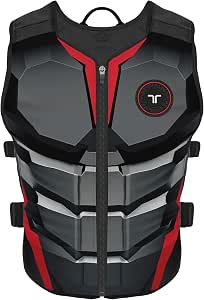 | Best Full-Body Haptics Value | Feedback Motors: 16 | Connectivity: Bluetooth | Compatibility: PC, Meta Horizon OS, PICO OS, PlayStation VR, SteamVR, VIVEPORT | VIEW LATEST PRICE | See Our Full Breakdown |
| bHaptics TactSuit Pro – Premium Immersive Haptic Vest for VR & Gaming with 32 Feedback Motors |  | Best Full-Body Haptics Value | Feedback Motors: 32 | Supported Games: 300+ | Compatible Platforms: VR and PC | VIEW LATEST PRICE | See Our Full Breakdown |
| bHaptics TactSuit Pro 2026 – Flagship Haptic Vest for Gaming & VR |  | Best Premium Haptic Vest | Feedback Points: 32 | Connectivity: Wireless | Compatible Platforms: Oculus Quest, Oculus Quest 2, PC, PlayStation 5 | VIEW LATEST PRICE | See Our Full Breakdown |
| Left Hand Controller for Meta Quest 3 / 3S, Left Touch Plus Replacement VR Motion Controller |  | Best Replacement Pick | Compatible Devices: Meta Quest 3 / Quest 3S | Controller Type: VR motion controller (left hand) | Connectivity: Wireless | VIEW LATEST PRICE | See Our Full Breakdown |
| BeswinVR 2019 New Scar VR Game Gun Controller with Haptic Feedback – Orange Version |  | Best for Shooter Fans on a Budget | Design: Ergonomic gun-style grip | Controls: Integrated gamepad controls | Feedback: Haptic feedback | VIEW LATEST PRICE | See Our Full Breakdown |
| VR controllers with haptic feedback | Compatibility |
|---|---|
| HTC Vive SteamVR Controller | — |
| HTC Vive SteamVR Controller 1. | Base Station 1.0 |
| Right Hand Controller for Meta | Meta Quest 3 and Quest 3S |
| Next Level Racing HF8 Pro Hapt | Universal with racing and flight cockpits |
| bHaptics TactSuit Air Onyx | PC, Meta Horizon OS, PICO OS, PlayStation VR, SteamVR, VIVEPORT |
| bHaptics TactSuit Pro | — |
| bHaptics TactSuit Pro 2026 | — |
| Left Hand Controller for Meta | — |
| BeswinVR 2019 New Scar VR Game | Windows VR devices |
More Details on Our Top Picks
HTC Vive SteamVR Controller (2018)
This 2018 revision stands out as the strongest haptic controller option for anyone already invested in the Vive ecosystem. The HD haptic feedback here is more nuanced than what the original SteamVR Controller 1.0 delivers, translating fine in-game textures — the click of a trigger, the hum of a virtual tool — into distinct vibrations you can actually feel. Compared with the Meta Quest 3 Touch Plus replacement, it trades standalone convenience for precision: 24 sensors and a dual-stage trigger make it the better pick for simulator-style games where input accuracy matters. The tradeoff is ecosystem lock-in and a 960 mAh battery that demands mid-session charging during long play sessions.
Pros:- HD haptic feedback with finer vibration detail than the original 1.0 controller
- 24-sensor tracking with dual-stage trigger for precise input
- Ships complete with lanyard, cable, and power adapter
- Comfortably lighter than the haptic vests in this roundup for pure controller use
Cons:- 960 mAh battery often needs recharging during extended sessions
- Locked to Vive and Vive Pro — no standalone or cross-platform support
Best for: Vive or Vive Pro owners who want precise tracked controllers with refined haptics for simulation and room-scale games
Not ideal for: Quest or standalone headset users — this controller only works with the HTC Vive and Vive Pro ecosystem
- Sensor Count:24 sensors
- Haptic Feedback:HD haptics
- Trigger:Dual-stage
- Trackpad:Multi-function
- Battery:960 mAh rechargeable lithium ion
- Included Items:Controller, lanyard, Micro-USB cable, power adapter
- Weight:1.4 pounds
Our verdict“The right upgrade or replacement for Vive ecosystem players who prioritize tracked precision and detailed haptics over versatility.”
HTC Vive SteamVR Controller 1.0
For Vive owners replacing a broken controller without paying for the 2018 refresh, this original model is the value play in HTC’s lineup. You still get the same 24-sensor tracking, multi-function trackpad, and HD haptics as the newer Vive SteamVR Controller (2018) — the real differences are subtler vibration tuning and the hard limit to Base Station 1.0. That compatibility ceiling is the key tradeoff: anyone who upgrades lighthouses later will find this controller obsolete. Compared with the TactSuit Air Onyx vest, this puts haptics in your hands rather than across your torso, which suits shooting and interaction-heavy games far better than full-body feedback.
Pros:- Same 24-sensor precision tracking as the pricier 2018 revision
- HD haptic feedback and dual-stage trigger at a lower cost
- Includes lanyard, charging cable, and power adapter
Cons:- Compatible only with Base Station 1.0 tracking
- Bulky wand-style design feels dated next to modern Touch-style controllers
Best for: Budget-conscious Vive owners with Base Station 1.0 setups who need a straightforward replacement controller
Not ideal for: Anyone planning to upgrade to Base Station 2.0 — this controller will not pair with newer tracking hardware
- Sensor Count:24 sensors
- Haptic Feedback:HD haptics
- Trigger:Dual-stage
- Trackpad:Multi-function
- Battery:960 mAh rechargeable lithium polymer
- Compatibility:Base Station 1.0
- Weight:10.9 ounces
Our verdict“A sensible, wallet-friendly replacement for legacy Vive setups — as long as you’re staying on Base Station 1.0 for good.”
Right Hand Controller for Meta Quest 3 / 3S (Touch Plus)
This pick makes the most sense for Quest 3 and 3S owners whose right controller met an untimely end against a wall. The Touch Plus design is the most ergonomic in this roundup — a thumbstick, two-stage trigger, and precision pinch support make it far more natural for modern games than the wand-style trackpad of either HTC Vive SteamVR controller. Its TruTouch-style haptics are tuned for subtle, textured feedback rather than blunt rumble, which shines in rhythm games and hand-tracking hybrids. The obvious limitation: it’s a single right-hand unit, so you’ll need the Left Hand Touch Plus sibling for full pairs, and it’s useless outside the Quest ecosystem.
Pros:- Advanced haptics with nuanced, texture-level feedback
- Ergonomic layout with thumbstick, thumbrest, and precision pinch
- True drop-in replacement matching original Touch Plus feel
- Lighter and more balanced than wand-style Vive controllers
Cons:- Right hand only — left unit sold separately
- No compatibility outside Meta Quest 3 and 3S
Best for: Quest 3 or 3S owners replacing a lost or damaged right controller who want full haptic parity with the original
Not ideal for: PC VR players on SteamVR or Vive hardware — this controller pairs exclusively with Quest 3 and 3S headsets
- Compatibility:Meta Quest 3 and Quest 3S
- Hand:Right hand
- Input Features:A/B buttons, thumbstick, thumbrest, two-stage trigger, precision pinch
- Haptics:Advanced haptic feedback
- Included:Controller, wrist strap/lanyard, safety and warranty guide
Our verdict“The hassle-free right-hand replacement Quest 3 owners need, provided they don’t expect it to work with anything else.”
Next Level Racing HF8 Pro Haptic Feedback Gaming Pad
For racers and pilots, this pad delivers a category of feedback no handheld controller can match. Eight independently controllable zones with 200% more torque and 60% faster motors than the standard HF8 mean you feel engine rumble through your back, curb strikes through your shoulders, and stall warnings across distinct areas — the TactSuit Air Onyx’s 16 smaller motors spread feedback wider but shallower, while this concentrates high-torque detail where sim players need it. The SIMAERO mesh also keeps long endurance sessions bearable. The catch: it needs a compatible seat or cockpit to mount to, and the eight-zone software setup has a genuine learning curve casual buyers shouldn’t underestimate.
Pros:- Eight independent haptic zones for directional, game-aware feedback
- Dramatically stronger torque and faster motors than standard haptic pads
- Breathable SIMAERO mesh fabric for long sessions
- Low-latency 75fps haptic software response
Cons:- Requires a compatible seat or cockpit to function properly
- Zone mapping and software setup is genuinely complex for beginners
Best for: Sim racing and flight sim enthusiasts with a cockpit or racing seat who want directional, high-torque feedback
Not ideal for: Casual VR gamers without a cockpit setup — there’s nowhere practical to mount it and the software will feel excessive
- Haptic Zones:8 independent motor zones
- Torque:200% increase over standard
- Motor Power:400% more
- Motor Speed:60% faster RPM
- Software Frame Rate:75fps
- Material:SIMAERO breathable mesh
- Compatibility:Universal with racing and flight cockpits
Our verdict“The specialist choice for cockpit sim fans who want deep, directional haptics — everyone else should look at a vest or controller instead.”
bHaptics TactSuit Air Onyx
Where every controller in this roundup puts feedback in your hands, the Air Onyx wraps it around your torso — and does so at the lightweight, accessible end of bHaptics’ vest range. Sixteen motors fire in coordinated patterns so gunfire hits from the correct direction and explosions roll across your chest, which is genuinely transformative in supported titles. Compared with the TactSuit Pro’s 32 motors, this model trades density of sensation for comfort and price — at 2.5 pounds with adjustable side straps, it’s the one you’ll forget you’re wearing. It also out-platforms the HF8 Pro pad, connecting over Bluetooth to PC, PlayStation VR, SteamVR, PICO, and Meta Horizon OS. The catch is software dependence: unsupported games feel flat, and battery life isn’t specified.
Pros:- 16 coordinated motors give directional, full-torso feedback
- Lightweight 2.5-pound design with one-size adjustable straps
- Bluetooth connectivity across SteamVR, PlayStation VR, PICO, and Meta Horizon OS
- Far more comfortable for long sessions than heavier flagship vests
Cons:- Noticeably less haptic density than the 32-motor TactSuit Pro
- Only shines in games with explicit bHaptics integration
- Battery life is not specified by the manufacturer
Best for: VR players who want affordable full-torso haptics across multiple headsets without the weight or cost of flagship vests
Not ideal for: Players who mostly stick to unsupported indie games — the vest’s impact depends entirely on integrated titles
- Feedback Motors:16
- Connectivity:Bluetooth
- Compatibility:PC, Meta Horizon OS, PICO OS, PlayStation VR, SteamVR, VIVEPORT
- Material:Lightweight fabric
- Adjustability:One size fits all with side straps
- Weight:2.5 pounds
- Colors:Black, White
Our verdict“The smart entry point into full-body haptics — buy it for supported games and skip it if your library lives outside the bHaptics ecosystem.”
bHaptics TactSuit Pro – Premium Immersive Haptic Vest for VR & Gaming with 32 Feedback Motors
For buyers who want true full-torso haptics rather than the buzz of a handheld controller, this vest is the most convincing entry point. Its 32 feedback motors translate gunfire, footsteps, and explosions into location-specific sensation across the chest and back — something the BeswinVR game gun simply cannot replicate with its single-point rumble. Compared with the lighter bHaptics TactSuit Air Onyx, doubling the motor count means noticeably sharper spatial detail, though you pay for it in weight and setup time. Audio-to-haptics conversion lets unsupported games still produce convincing feedback, broadening usefulness well past the 300+ officially supported titles. The mesh lining and adjustable straps keep long sessions tolerable, but calibration is not optional — skip it and the vest feels muddy rather than precise. This pick makes the most sense for enthusiasts who already own a solid headset and want to deepen immersion rather than replace hardware.
Pros:- 32 feedback motors deliver spatially precise full-torso haptics
- Audio-to-haptics conversion works with content beyond the 300+ officially supported games
- Breathable mesh lining and adjustable straps keep long sessions comfortable
- Cross-platform support covers both VR and PC gaming
Cons:- Requires per-game setup and calibration to get accurate feedback
- Price sits far above typical controller upgrades, hard to justify for casual use
Best for: VR enthusiasts who already own a Quest or PC headset and want to add full-torso haptic immersion to supported games
Not ideal for: Casual or occasional players — the setup, calibration, and cost are wasted on short sessions of Beat Saber
- Feedback Motors:32
- Supported Games:300+
- Compatible Platforms:VR and PC
- Material:Breathable mesh lining
- Adjustability:Shoulder snaps and side straps
- Feedback Type:Audio-to-haptics conversion and game-driven
Our verdict“Buy this if you want the richest full-body haptic layer for VR and play often enough to justify calibrating it properly.”
bHaptics TactSuit Pro 2026 – Flagship Haptic Vest for Gaming & VR
This is the flagship tier of the roundup — where the original TactSuit Pro asks you to manage cables and pairing, the 2026 model goes fully wireless, which changes the experience more than the spec sheet suggests. Fast-paced shooters on Quest headsets demand unrestricted movement, and a tethered vest undermines exactly the freedom standalone VR promises. The front-mounted controls also mean mid-game adjustments without pulling up a companion app, a real convenience the earlier vest lacks. Platform coverage is broader too, spanning Quest, Quest 2, PC, and PS5. The tradeoffs are real: battery life can cut long marathons short, and the price positions it firmly against the TactSuit Air Onyx for anyone not committed to the top-end motor count. Compared with the TactSuit Pro, this model is better suited to players who move around a room rather than sit at a desk — but budget buyers get more haptics per dollar from the older version.
Pros:- Fully wireless connectivity preserves room-scale freedom of movement
- Intuitive front controls allow on-the-fly adjustments without a companion app
- 32-motor feedback matches the flagship standard with sound-to-haptics conversion
- Broad platform support including Quest headsets, PC, and PlayStation 5
Cons:- Battery life may not survive extended gaming marathons without recharging
- Highest price tier in the roundup, hard to justify for casual users
- Still requires setup and per-game calibration like the rest of the vest line
Best for: Room-scale VR players on Quest or PS5 who move freely and want top-tier wireless haptics without cable drag
Not ideal for: Budget-conscious buyers or seated PC gamers — the wireless premium is wasted at a desk, and the TactSuit Pro covers that case for less
- Feedback Points:32
- Connectivity:Wireless
- Compatible Platforms:Oculus Quest, Oculus Quest 2, PC, PlayStation 5
- Color:Black
- Controls:Front-mounted intuitive controls
- Haptics Mode:Sound-to-haptics conversion
Our verdict“Choose this flagship vest only if wireless freedom and multi-platform play matter more to you than cost; otherwise the standard TactSuit Pro delivers similar haptics for less.”
Left Hand Controller for Meta Quest 3 / 3S, Left Touch Plus Replacement VR Motion Controller
Not everyone shopping this category wants to add haptics — some just need to restore what they lost. This OEM-style left-hand Touch Plus controller is the practical answer for a broken or damaged original, and its advanced haptics are genuinely more refined than the generic vibration found in the BeswinVR gun controller. The capacitive touch buttons and thumbstick give games the finger-presence tracking that Meta titles are built around, so this is a true functional replacement rather than a downgrade. Compared with the bHaptics vests, it obviously doesn’t deliver full-body sensation — but it also doesn’t require calibration, pairing apps, or a vest-sized budget. The catches are structural: it’s left-hand only, so damaged right controllers need the separate right-hand version, and it’s locked to the Quest 3 and 3S. Battery power means keeping spares on hand. This pick makes the most sense as a targeted fix rather than an upgrade.
Pros:- Advanced haptics match the original Touch Plus controller’s feel
- Capacitive touch buttons and thumbstick preserve full game functionality
- Ergonomic design keeps long sessions comfortable
- Includes wrist strap for security during active play
Cons:- Left-hand only — right-hand damage requires a separate purchase
- Compatibility is limited to Meta Quest 3 and Quest 3S headsets
- Disposable batteries add ongoing cost and replacement hassle
Best for: Quest 3 or 3S owners replacing a broken or lost left controller who want original-quality haptics and tracking back
Not ideal for: Anyone hoping to upgrade their haptic experience — this restores stock feel rather than adding immersion beyond what Meta ships
- Compatible Devices:Meta Quest 3 / Quest 3S
- Controller Type:VR motion controller (left hand)
- Connectivity:Wireless
- Buttons:3 capacitive touch buttons plus thumbstick
- Power Source:Battery powered
- Included Accessory:Wrist strap
- Package Quantity:1
Our verdict“Buy this to restore your Quest 3 setup to factory condition; look elsewhere if you’re chasing a richer haptic upgrade.”
BeswinVR 2019 New Scar VR Game Gun Controller with Haptic Feedback – Orange Version
Of everything in this lineup, this is the most specialized pick: a gun-shaped controller built for one genre, done well and done cheaply. The haptic feedback is coarse compared with the 32-motor precision of either bHaptics TactSuit vest — it’s a single rumble channel, not spatial detail — but it lands where shooter players actually feel it: recoil. Mounting gamepad controls directly onto the grip means your hands never leave the weapon, which is an ergonomic win over juggling standard controllers in wave shooters. Compared with the Meta Quest replacement controller, this isn’t a general-purpose device at all; it’s an accessory for a narrow slice of Windows-based VR libraries. That narrowness is the whole tradeoff. No wireless connectivity is mentioned, which may tether you to the PC, and it won’t work with standalone Quest games. This model is better suited to PC shooter fans on a budget who know exactly what they want.
Pros:- Ergonomic grip keeps hands comfortable through long shooter sessions
- Haptic feedback adds convincing recoil to gunplay
- Integrated gamepad controls eliminate hand swapping mid-firefight
- Simple single-package setup with no complex calibration
Cons:- Limited to Windows-compatible VR devices
- Single-purpose design is useless outside shooter-style games
- No wireless connectivity mentioned, likely tethering you to the PC
Best for: PC VR shooter fans who want a gun-shaped grip with built-in gamepad controls and recoil-style rumble without paying vest prices
Not ideal for: Quest or console players — Windows-only compatibility and single-purpose design leave most libraries unsupported
- Design:Ergonomic gun-style grip
- Controls:Integrated gamepad controls
- Feedback:Haptic feedback
- Compatibility:Windows VR devices
- Color:Orange
- Package:Single package
Our verdict“A cheap, focused accessory for PC shooter fans; everyone else should stick with general-purpose controllers or a haptic vest.”

How We Picked
My ranking starts with a simple question: how well does each product deliver felt feedback for its intended use case? Handheld controllers were judged on haptic precision, tracking reliability, and how seamlessly they pair with their target headset. Wearables — the bHaptics vests and the Next Level Racing pad — were judged on motor density, comfort over long sessions, and software compatibility across VR titles, since a vest that only works with three games is a paperweight regardless of motor count.
From there, I weighted practical fit: ease of setup, ergonomics, battery demands, and whether the product solves a real problem or adds a nice-to-have. That’s why the Touch Plus replacement controllers rank highly — they restore full functionality for Quest owners — while the aging Vive controllers sit lower despite their solid build, because their haptics and ecosystem support lag behind. Specialized gear like the BeswinVR gun earned its place by doing one thing exceptionally well rather than trying to compete broadly.
| VR controllers with haptic feedback | Compatibility |
|---|---|
| HTC Vive SteamVR Controller | — |
| HTC Vive SteamVR Controller 1. | Base Station 1.0 |
| Right Hand Controller for Meta | Meta Quest 3 and Quest 3S |
| Next Level Racing HF8 Pro Hapt | Universal with racing and flight cockpits |
| bHaptics TactSuit Air Onyx | PC, Meta Horizon OS, PICO OS, PlayStation VR, SteamVR, VIVEPORT |
| bHaptics TactSuit Pro | — |
| bHaptics TactSuit Pro 2026 | — |
| Left Hand Controller for Meta | — |
| BeswinVR 2019 New Scar VR Game | Windows VR devices |
Factors to Consider When Choosing VR Controllers With Haptic Feedback
Choosing among VR controllers with haptic feedback is really choosing between three different products pretending to share a category. Before spending anything, it helps to understand what kind of haptic experience you actually want and which mistakes trip up most first-time buyers.Hands, Torso, or Both?
The single biggest decision is where on your body you want to feel the game. Handheld controllers deliver precise, low-latency feedback — a trigger click, a sword clash — and are required for basic VR interaction anyway. Vests and haptic pads translate game audio into broad torso sensations: gunfire thumps, engine rumble, explosions. Neither substitutes for the other. A common mistake is buying a vest expecting it to make gameplay more precise; it won’t. Conversely, replacing your controllers won’t make you feel a dragon’s roar in your chest. Players who go deepest into haptics eventually own both, but start with whichever gap bothers you most during play.
Headset Compatibility Comes First
More haptic purchases fail on compatibility than on quality. The Vive controllers in this lineup work only with Vive and Vive Pro base-station ecosystems — pairing them with a Quest or Pico headset is a non-starter without extra hardware. The Touch Plus replacements only work with Quest 3 and 3S. The bHaptics vests sidestep headset lock-in by syncing to game audio and PC software, which is why they work across platforms. Check your headset, your game library, and your platform before you check anything else. A superior haptic product for the wrong ecosystem is always a worse buy.
Motor Count Matters — But Diminishing Returns Are Real
With wearable haptics, motor count is the headline spec: 16 motors on the TactSuit Air versus 32 on the Pro versus the flagship 2026 model. More motors mean finer spatial detail — you can tell whether a shot came from your left shoulder or right ribs. But the jump from 16 to 32 is far more noticeable than any jump beyond it, and placement and software tuning often matter more than raw count. A well-tuned 16-motor vest can outperform a poorly integrated 40-motor one. Read about supported games and audio-to-haptics conversion quality, not just the number on the box.
Weight, Heat, and Session Length
Haptic hardware lives on your body, and comfort failures show up 45 minutes into a session, not five minutes into a demo. Vests add warmth — a real issue in summer or during active games — and the HF8 Pro pad straps to your chair, which changes its comfort profile entirely. Handheld weight matters too: a heavier controller tires your wrists during long Beat Saber runs. Match the form factor to how long you actually play. If your sessions run past an hour, lighter wearables and breathable materials earn their premium; if you play in short bursts, weight is a minor concern.
The Single-Hand Replacement Trap
Replacement controllers like the left and right Touch Plus units are sold individually, and buyers routinely discover too late that they assumed a pair. This is fine if you genuinely broke one controller, but budget for both if you’re starting fresh. Also verify whether a replacement is an official-style unit or a third-party clone — haptic quality and tracking drift vary more in clones than in original hardware. If haptic fidelity is your reason for buying, original-spec replacements are the safer spend.
When to Pay More in This Category
Paying more in haptics buys three things: motor density, software breadth, and durability. The step from the TactSuit Air to the Pro buys genuinely better spatial feedback; the step from the Pro to the 2026 flagship is a smaller, more incremental gain that mainly rewards enthusiasts. On the controller side, there’s little reason to pay beyond official replacements unless you’re buying into the Vive ecosystem for full-body tracking. Spend up when haptics are the core of your experience, not when they’re a garnish. A casual player gets most of the joy from a mid-tier vest; a competitive shooter player gets more from a dedicated gun controller than any vest.
Frequently Asked Questions
Do the left and right Meta Quest 3 Touch Plus controllers need to be bought separately?
Yes — these replacement controllers are typically sold as individual left-hand or right-hand units, not pairs. If you’re replacing a single broken controller, that works in your favor since you only pay for what you need. If you’re buying a full set, remember to add both to your cart and double your budget expectation. Before ordering, it’s also worth pairing your existing controller to confirm which hand actually needs replacing, since drift and haptic failure sometimes stem from the headset side rather than the controller itself.
Is a 32-motor haptic vest really twice as good as a 16-motor one?
Not exactly, and the difference depends on the games you play. The jump from 16 to 32 motors is most noticeable in titles with directional audio, where finer motor placement lets you feel whether a hit landed on your left side or right side. In rhythm games or general ambient rumble, the difference shrinks considerably. What the higher motor count reliably buys is better detail at high intensity — machine-gun fire and explosions resolve into distinct impacts rather than a blur. If you play mostly casual titles, the lighter 16-motor Air is the smarter spend; competitive shooter and horror fans will feel the Pro’s advantage.
Why would anyone still buy HTC Vive controllers in 2026?
Almost exclusively because they already own a Vive or Vive Pro setup with base stations. The Vive wands track reliably and feel solid, but their haptics are a single basic rumble motor — a generation behind the trigger-level feedback in modern Quest controllers. For existing Vive owners, replacing a broken wand keeps a working system alive without rebuying everything. For anyone on a Quest or other standalone headset, there’s no practical path to using them, and their age means fewer spare parts and less software attention going forward.
Can I use a haptic vest with a standalone Quest headset, or do I need a gaming PC?
Most modern haptic vests work with standalone headsets, but the experience is richer with a PC. On PC, the vest’s software can read game events directly and fire precise, location-specific haptics. On a standalone Quest, vests generally rely on audio-to-haptics conversion, which works well for anything sound-driven — gunfire, engines, music — but loses event-level detail. If your library is mostly PCVR or sim racing, plan around a PC connection. If you mostly play standalone Quest games, confirm the vest’s audio-based mode covers the titles you care about before buying.
Is the BeswinVR Scar gun controller worth it if I only play shooters occasionally?
Probably not — this is the most use-case-specific product in the lineup. Its rifle form factor and recoil-style haptics transform supported shooter games, but it does nothing for rhythm games, social VR, fitness, or anything requiring free hand movement. It also demands physical space to aim and swing comfortably. The buyers who love it play shooters as their primary genre and already know their favorite titles are compatible. If shooters are one of several games you rotate through, a full-featured controller pair plus possibly a vest later will deliver more happiness per dollar.
Conclusion
Matching these nine options to the right buyer is straightforward once you know where you want to feel the game. For best overall, the Right Hand Controller for Meta Quest 3 / 3S (Touch Plus) — paired with its left-hand counterpart — delivers the most refined handheld haptics with zero learning curve, provided you own a Quest 3 or 3S. The bHaptics TactSuit Air takes best value: it brings genuine torso haptics to a broad game library at the accessible end of the wearable market. For the best premium experience, the bHaptics TactSuit Pro 2026 is the ceiling of this lineup, pairing the highest motor density with the most mature software ecosystem — choose it only if haptics are central to how you play.
Beginners should start with the standard TactSuit Pro or the Air, since vests work across headsets and don’t lock you into an ecosystem while you’re still figuring out your preferences. For specific needs: Vive and Vive Pro owners maintaining an existing setup should grab the matching HTC Vive SteamVR Controller generation, sim racers will get more from the chair-mounted Next Level Racing HF8 Pro than any handheld, and dedicated shooter fans are the only group for whom the BeswinVR Scar gun makes sense. Buy for the games you actually play today — the rest of the haptic stack can wait.